

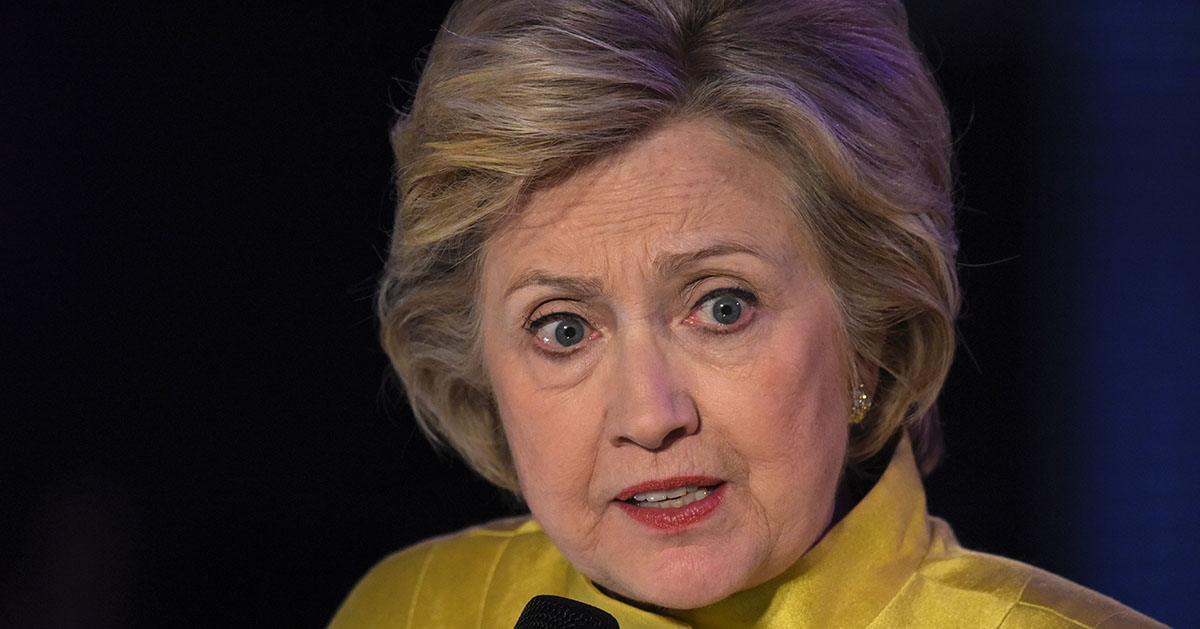
Hosts of the daytime talk show publicly debated whether Bill and Hillary Clinton should answer a Congressional subpoena tied to Jeffrey Epstein, revealing a split between calls for live testimony and acceptance of written affidavits while lawmakers threaten contempt for noncompliance.
The House Oversight Committee issued a subpoena seeking testimony from Bill and Hillary Clinton about files tied to Jeffrey Epstein, and the pair responded with a detailed four-page letter refusing to comply. Committee Chairman James Comer warned that refusal could lead to contempt charges, setting up a legal and political showdown. That sequence has pushed the question of accountability into the public spotlight.
The discussion on the show exposed sharp differences among the hosts, with some insisting live testimony is the only acceptable response. Joy Behar was direct in her stance, urging the Clintons to “just testify to clear up any suspicions and get the last word in,” a line that captures frustration with evasive tactics. Her remark reflects a wider belief that avoiding a hearing fuels suspicion more than it quells it.
Sunny Hostin took a different tack, pointing out the couple has already submitted affidavits and describing that action as “very close to the same as already having testified.” That perspective treats written statements as a substantive answer, but it leaves open whether they satisfy the demands of oversight and public scrutiny. The tension between written and in-person testimony is central to the dispute.
Sara Haines emphasized appearances and the optics of compliance, insisting that “when people don’t show up, it makes them look guiltier than they are.” Her point speaks to the political cost of noncooperation, especially when high-profile figures are involved. For many viewers, presence under oath is a basic measure of transparency.
The conversation also focused on whether Hillary Clinton is even implicated in the Epstein files, with Haines noting that Hillary’s name does not appear among the documents. That detail complicates calls for mandatory testimony and raises questions about guilt by association in politically charged probes. It underlines the need to separate verified connections from insinuation.
Alyssa Farah Griffin argued from a rule-of-law angle, insisting that congressional oversight is not optional and comparing this situation to past contempt cases. Her reference to figures who faced consequences for defying subpoenas underscores an expectation of equal treatment under the law. Republicans pushing for uniform enforcement see selective compliance as corrosive to trust in institutions.
Ana Navarro brought a personal perspective, acknowledging ties to the Clintons while pressing for consistent standards across investigations. She criticized the focus on the Clintons when other public figures with alleged Epstein ties have avoided similar scrutiny, pointing to an uneven application of oversight. Highlighting those disparities is meant to demand fairness, not favor.
The Clintons’ four-page response to Comer framed the subpoenas as part of a broader “weaponization” of legal process and described the investigation as “cruel” in its political motivations. Using that language turns the dispute into a partisan clash about process rather than a simple fact-finding mission. For critics, such rhetoric looks like a defensive move to rally a political base rather than answer questions.
The couple also asserted a legal basis for their refusal to testify, but opponents say that legal claim should be tested publicly in a hearing if it carries weight. Allowing a refusal to stand without scrutiny risks setting a precedent where powerful figures can avoid live questioning. Republicans demanding hearings view transparency as the remedy for doubt.
Hosts and commentators alike stressed that unequal accountability undermines public confidence, especially when oversight seems selective. If enforcement only hits political opponents or spares well-connected allies, the system appears politicized rather than impartial. That perception is dangerous for the credibility of Congressional investigations.
The Epstein files themselves remain a source of many unresolved questions, and every refusal to appear before Congress keeps significant answers out of view. Some hosts argued prior affidavits should be enough, but others see a clear difference between a paper statement and live testimony under oath. That disagreement gets to the heart of how oversight should function in high-profile cases.
Republican voices favoring a hearing point to consistency: people who defied subpoenas in the past faced consequences, and the same standard should apply here. Treating the Clintons differently would reinforce a double standard that harms rule of law and political legitimacy. This debate is as much about procedure as it is about facts.
Observers warned that politicizing the process benefits no one and only deepens divisions, but they also noted that avoiding hearings feeds conspiracy theories and suspicion. When powerful figures present a written defense without facing questions, critics worry it will be read as a tactic to dodge accountability. A transparent hearing would at least give the public a clear record to judge.
The clash between written affidavits and public testimony highlights a broader question about how Congress enforces subpoenas and what consequences follow noncompliance. If threats of contempt are not followed through uniformly, the deterrent value of subpoenas diminishes. Republicans pressing for enforcement argue that credibility depends on consistent application of rules.
As the controversy continues, the stakes are not just legal but political and cultural, touching on how elites are held to account in America. Demanding clear, equal standards is a Republican priority in this debate about oversight, fairness, and transparency. The dispute over whether the Clintons will appear in person remains unresolved and politically charged.

