

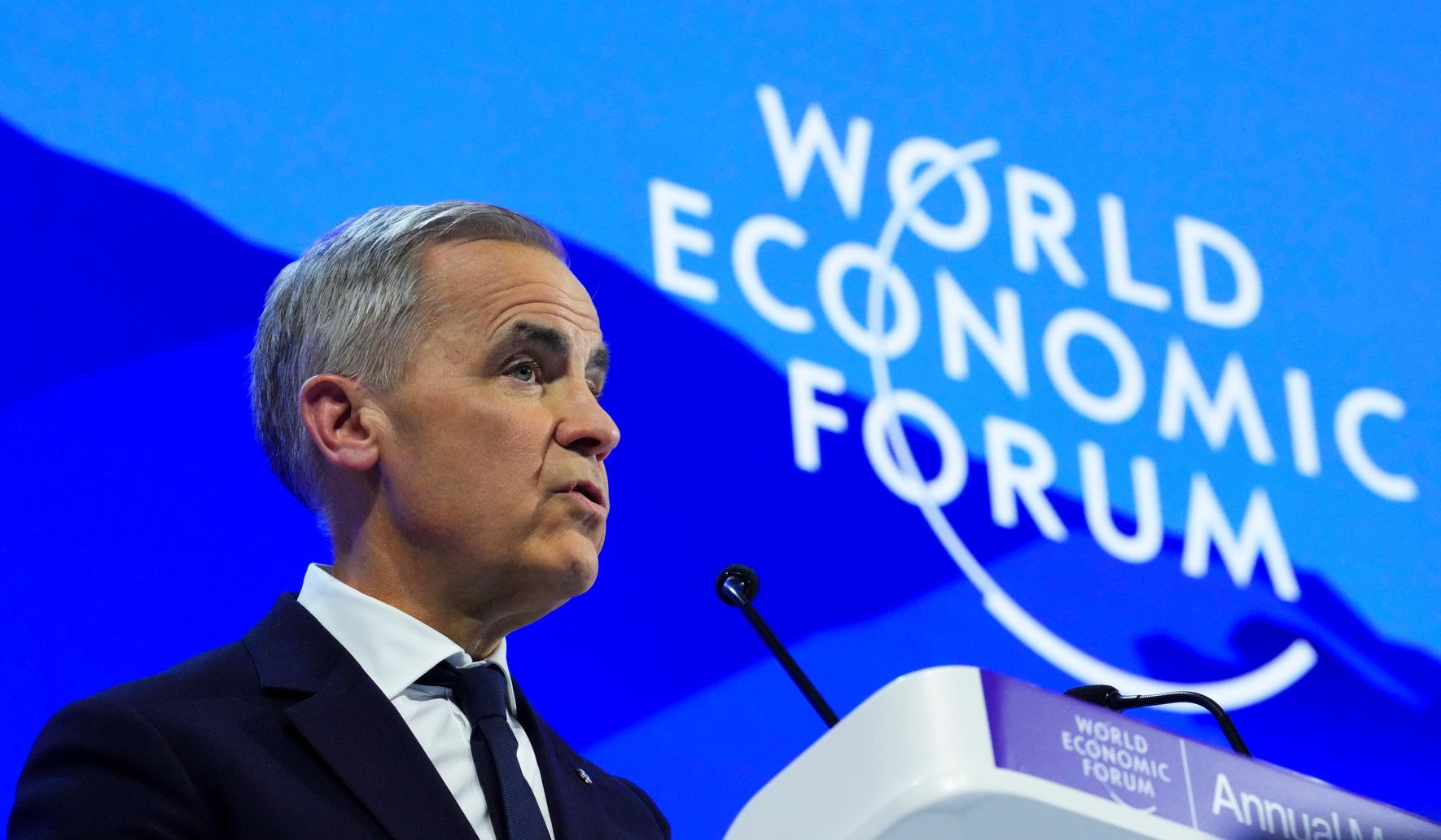
President Trump withdrew Canada’s seat on a proposed Board of Peace after a public spat with Prime Minister Mark Carney at an economic forum in Switzerland, a move that sharpened tensions between Washington and Ottawa and sparked a debate about diplomacy, respect, and American interests.
President Trump rescinded Canada’s invitation to join his Board of Peace after a war of words with Prime Minister Mark Carney at an economic forum in Switzerland. The exchange happened during a high-profile gathering of world leaders and financial figures, where words mattered as much as policies. What followed was swift and decisive action from the White House that signaled a zero-tolerance approach to public criticism. The decision landed as a clear message that insults on the global stage would carry consequences.
The scene in Switzerland was more than theater; it set the tone for how the administration wants to be treated abroad. For supporters of the move, this response reinforced a simple principle: respect is earned and can be withdrawn. The Board of Peace concept had been presented as a diplomatic outreach, yet a single confrontation undermined that initiative. That outcome shows how fragile prestige can be when personalities clash in public.
Backers of President Trump argue the rescinding of the invitation was rooted in protecting American dignity and negotiating leverage. Diplomacy, as they see it, is not served by tolerating public disparagement from supposed partners. This view frames the action as a defense of national standing rather than an impulsive rebuke. Republicans who favor a tougher posture abroad point to predictability: allies and rivals should know where America draws its lines.
Critics warned the move could damage long-standing cooperation on trade, security, and regional matters. They caution that cutting off a channel of communication after a spat risks unintended fallout on issues that require quiet coordination. Those concerns are valid, especially when dealing with close neighbors who share extensive economic ties with the United States. Yet proponents counter that durable partnerships are built on mutual respect, and tough medicine may be necessary when rhetoric crosses a line.
Domestic reaction split along predictable lines, with many Republican voices praising firmness and some international observers expressing alarm. Supporters described the withdrawal as a lesson in accountability that sends a clear signal to other capitals. Opponents framed it as unnecessary escalation that removes diplomatic tools at a moment when practical cooperation is needed. That debate highlights the broader tension between transactional diplomacy and traditional alliance management.
The incident also raised questions about how international forums are used for sparring and spectacle. Economic gatherings in Switzerland attract leaders, central bankers, and CEOs who expect serious conversation, not headline-grabbing feuds. When insults or sharp rhetoric dominate, the broader agenda—global growth, investment, and market stability—can be sidelined. Observers on both sides noted that the optics of a public falling-out can reverberate long after the event concludes.
Looking ahead, the withdrawal reshapes bargaining space between Washington and Ottawa, forcing both sides to reassess tactics. For the White House, it creates leverage that can be applied to future talks, whether over trade, energy, or security cooperation. For Canada, the move is a moment to evaluate responses that protect national pride without burning bridges. How each capital adjusts will determine whether this episode becomes a short-term shock or a lasting rupture.
Policy experts and strategists will be watching for follow-up steps, from private diplomacy to potential concessions or retaliatory measures. Both nations have incentives to manage the fallout quietly, since intertwined economies and shared security commitments make escalation costly. Still, the episode underscores a larger lesson embraced by many Republicans: national interests sometimes require unflinching action, especially when public humiliation is at stake. The next phase will reveal whether steady diplomacy or hard bargaining shapes the path forward.
The Swiss forum episode will be studied as an example of modern statecraft where personalities and public forums intersect. It shows how a single dispute can change the trajectory of an initiative and force leaders to make stark choices fast. The move to rescind Canada’s invitation sent a strong signal about expectations for decorum and consequences on the world stage. In Washington, supporters argue it was a necessary assertion of American authority and a reminder that respect matters in international relations.

