

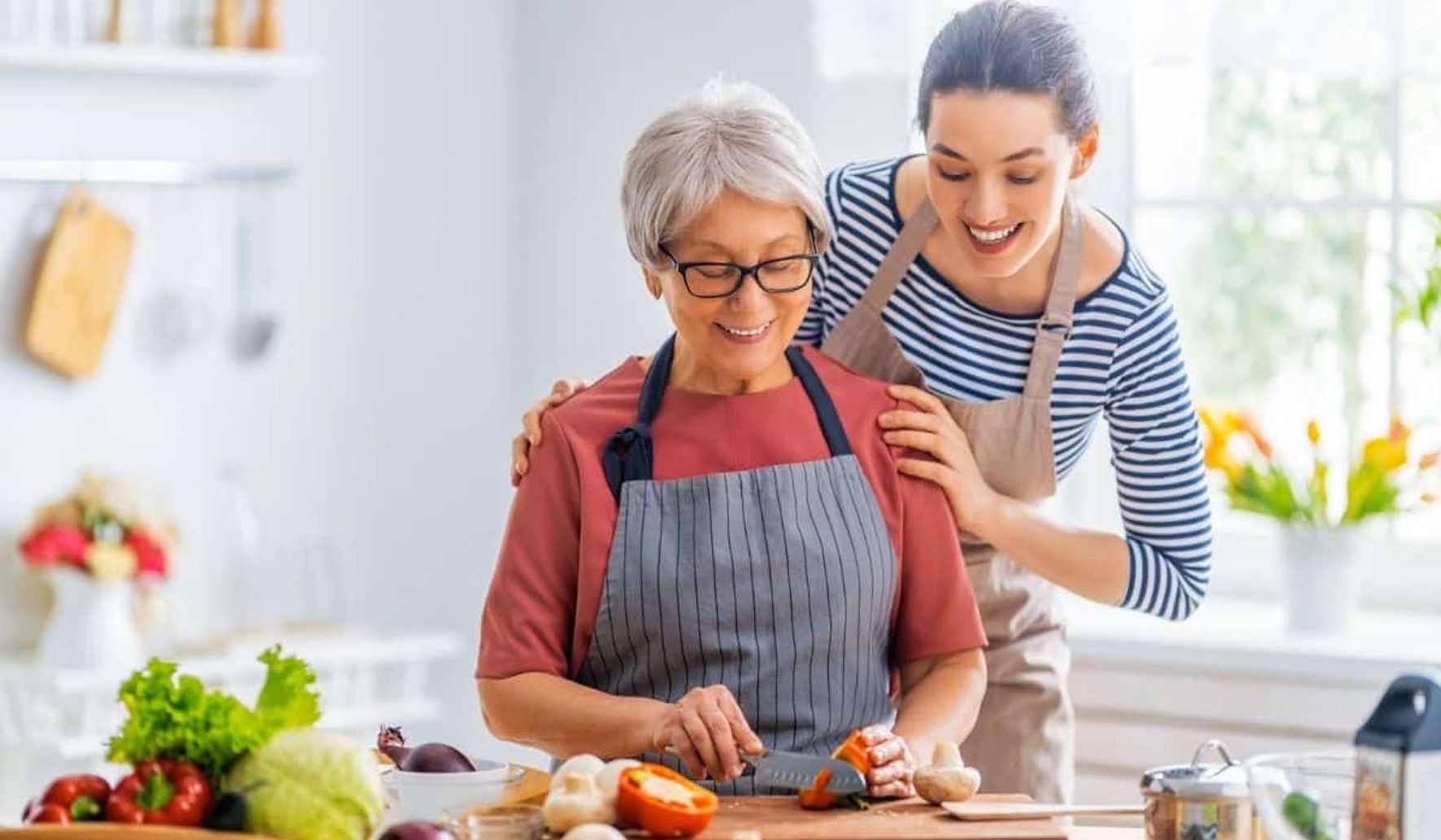
Grandmothers are reshaping how Americans think about food by sharing time-tested cooking, community knowledge, and cultural recipes to wide online and local audiences.
“Grandmothers are becoming some of the most influential voices in American food culture, drawing large audiences by cooking the way they always have.” That line captures a clear shift: the people who kept recipes alive in kitchens are now broadcasting them to millions. Many of these women cook without fancy plating or trendy techniques, and that plain confidence is exactly what draws viewers. Their appeal comes from skill, memory, and familiar rhythms rather than flash.
These cooks often showcase recipes rooted in family history, regional tastes, or immigrant traditions, and audiences respond to the realness behind each dish. Viewers are watching not just to learn a recipe, but to see process, hear stories, and feel connected to a lineage. The videos and livestreams tend to be unpolished, which makes them feel trustworthy and accessible. That authenticity translates into steady followings and surprising influence over what people want to eat.
Social platforms hand a loudspeaker to home cooks who used to be private keepers of knowledge, and that changes the food landscape. Recipes once passed at kitchen tables now travel across states and generations in minutes, shaping meal plans and grocery lists. The result is a stronger market for staples and ingredients tied to those dishes, as people try to replicate what they see. Restaurants and food brands take notice when a grandmother’s stew or pastry sparks a trend.
Beyond trends, these grandmothers preserve techniques that can vanish when kitchens modernize or families drift apart. Methods like slow simmering, hand-rolling, or natural fermentation carry sensory detail and cultural context that written recipes rarely capture. Watching an elder perform those steps shows nuances—how dough should feel, the exact color of a sauce—that a list of ingredients cannot convey. That makes their content both instructional and archival.
Several of these cooks also build small businesses tied to the food they share, turning goodwill into practical income without losing the homemade feel. Viewers who have grown to trust a cook are more likely to buy a jar of sauce, a spice blend, or a virtual cooking class. For many, this is a gentle form of entrepreneurship that keeps kitchens central to family economics. It’s a reminder that food and livelihood have always been connected at the local level.
The appeal crosses age groups because the recipes satisfy different desires: nostalgia for older viewers, discovery for younger audiences, and practical meal solutions for busy families. Young people learn heritage dishes and older viewers see their memories validated and amplified. Parents appreciate approachable weeknight options while food lovers enjoy the deeper context behind regional plates. That broad reach helps these cooks maintain steady attention even as algorithms shift.
Media exposure has nudged some of these cooks into collaborations with chefs, local markets, and community kitchens, creating a loop between tradition and innovation. Chefs borrow flavors and techniques, adapting them to restaurant service without erasing the original voice. Community organizations tap these talents for education and outreach, using beloved recipes to teach nutrition or cultural history. The result is more spaces where home cooks’ expertise is taken seriously.
The movement also highlights the value of informal education around food: learning by watching rather than reading, and learning context as much as procedure. These videos and demos show that food culture is living, adaptive, and often carried by people outside formal culinary institutions. As those voices grow louder, they reshape expectations about who can be influential in food culture. The change is practical, personal, and quietly powerful.

