

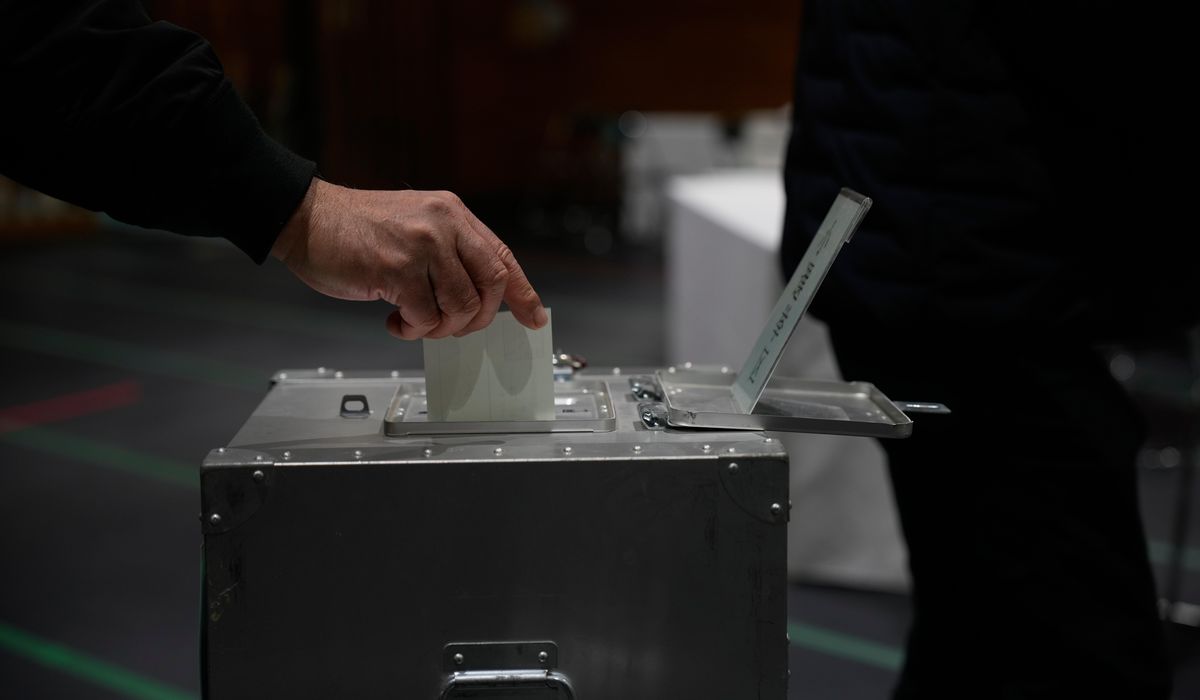
Japan’s parliamentary vote opened Sunday with Prime Minister Sanae Takaichi seeking a clear victory to advance a bold conservative agenda, and the outcome could reshape Tokyo’s policy and security posture for years.
Polls opened Sunday in parliamentary elections that Japanese Prime Minister Sanae Takaichi hopes will give her struggling party a big enough win to push through an ambitious conservative political age
The campaign has centered on national security, economic resilience, and cultural conservatism, themes that resonate with voters worried about the changing world order. Takaichi has cast herself as a steady hand who will strengthen Japan’s defenses and preserve traditional values, appealing to voters who want decisive leadership. Her message aims to translate concern about regional threats and domestic stagnation into electoral momentum.
On security, Takaichi has pushed for more robust defense spending and closer coordination with allies, arguments that play well with Americans and conservatives who want partners who can shoulder responsibility. The prime minister frames stronger deterrence as practical and necessary given tensions in the region, and she argues that a confident Japan benefits the U.S.-Japan alliance. Those priorities make clear where she believes Japan must invest politically and financially.
Economically, the pitch is for growth-friendly reforms rather than heavy-handed redistribution, focusing on deregulation and incentives for investment that conservative voters favor. She promotes policies aimed at boosting productivity and attracting private capital, while recognizing the demographic headwinds Japan faces. The debate includes how to balance short-term support with long-term structural shifts so the economy can sustain a higher tempo of innovation and job creation.
Domestically, Takaichi’s platform appeals to voters who want cultural continuity and social stability in the face of rapid change. Her conservative proposals emphasize family support and social policies that align with traditional values, which can mobilize rural and older voters. Those blocs remain crucial under Japan’s electoral map, and the campaign has targeted them with tailored messages about security, economy, and identity.
Political opponents argue for different priorities, including stronger social safety nets and more progressive social policies, but the electoral contest will hinge on turnout and the coalition math that decides power in parliament. Fragmented opposition forces can hand an advantage to a disciplined conservative ticket, a dynamic Republicans watching from abroad understand well. That alignment could allow Takaichi to pursue reforms without constant compromise if her coalition holds firm.
International observers are focused on what a stronger conservative government means for the region and for U.S. strategy in Asia, including cooperation on technology, trade, and deterrence. Conservatives see a Japan that steps up to share responsibilities as a win for stability and a counterweight to coercive neighbors. The partnership angle underlies much of the campaign rhetoric and will influence policy choices if the government secures the mandate it seeks.
Voter skepticism over economic performance and demographic decline complicates the picture, forcing Takaichi to demonstrate concrete steps rather than rely on slogans. Effective governance will require converting campaign promises into measurable results that voters can see in their daily lives. For conservative policymakers, the test is turning rhetorical strength into actionable policy that boosts security, revives growth, and sustains social cohesion.
The electoral system’s mechanics and district-level battles matter as much as national polls, meaning grassroots organizing and targeted messages will decide the tightest races. If Takaichi’s party can translate broad themes into local wins, she can push forward her agenda with a clearer mandate. The next government’s posture will shape Japan’s domestic politics and its willingness to act more assertively on the world stage.

