

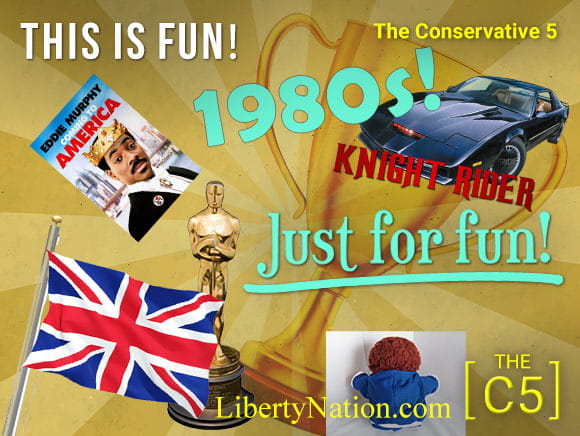
Short take: A lively panel strolls back into the 1980s, trading nostalgia, odd facts, and fuzzy memories while probing how pop culture and personal recollection shape the decade we think we know.
Trivia time: Get ready for the best of the 1980s – or, at least, whatever the panel remembers of the decade. The episode gathers a small group of voices who riff on music, movies, gadgets, and the habit of misremembering detail. They treat the era like a collective attic full of cassette tapes, neon, and mismatched recollections.
The conversation opens with music, because the 1980s soundtracks are impossible to ignore and easy to argue about. Panelists swap brisk takes on who defined the decade and why some singles aged better than others. Between laughs and confident wrong answers, the show uncovers how songs anchor memories more than dates.
Movies and TV follow, and the panel moves from blockbuster swagger to cult corners where real devotion lives. They highlight iconic visuals and characters that stuck in the public imagination, and they call out the moments that sound bigger in memory than in runtime. That tension, between cultural myth and actual content, becomes a running theme.
Gadgets and toys get their due, since the 1980s were a tech toybox in motion and everybody owned an opinion. From portable music players to early home consoles, the panel treats devices as emotional artifacts rather than just hardware. Those gadgets map personal timelines more clearly than calendars ever could.
Fashion and design come up because you can’t skip neon or shoulder pads when you talk about the decade. The discussion balances mockery with admiration, noting how aesthetics migrated from trends into revival cycles. Observers point out that patterns repeat and elements resurface in unexpected places.
Memory itself draws scrutiny as panelists admit to confidently wrong details and laugh about family lore that never happened. That honesty about fallible recollection makes the episode more interesting than a straight list of trivia. It also reveals how identity and nostalgia are stitched together from fragments and exaggerations.
Throughout, the panel leans on quick facts and playful disputes rather than exhaustive timelines, which keeps the pace lively and conversational. That approach lets them celebrate the odd corners of the decade without pretending to be definitive. The result is a show that feels like a late-night chat among friends who all grew up with the same mixtape.
Listeners can expect a mix of earnest appreciation and teasing skepticism, where a fond memory gets politely dismantled and then rebuilt with bigger laughs. The hosts treat debate as entertainment, so corrections are part of the fun rather than a lecture. The tone stays breezy, which suits the subject and the format.
Ultimately, this episode treats the 1980s as both a cultural archive and a personal scrapbook, full of hits, misses, and the kind of details that survive because people love to tell them. It’s less about settling arguments and more about enjoying the shared habit of remembering. That makes the hour feel familiar, like flipping through old photos and arguing over the year a picture was taken.

