

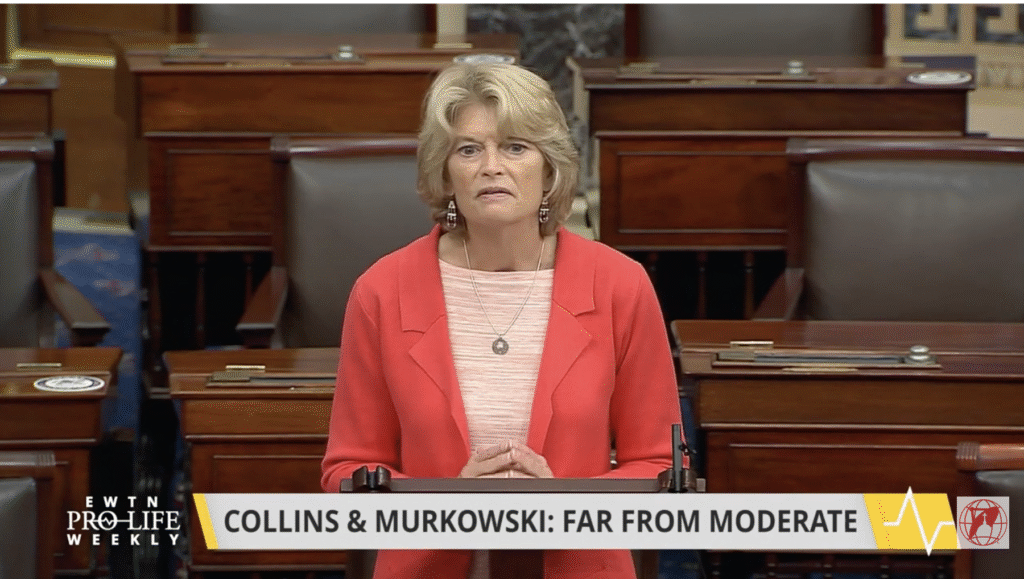
Sources say some Senate Republicans don’t want to see the popular election-integrity measure come up for a vote.
There is a growing split inside the Senate Republican conference over how to handle a high-profile election-integrity bill. Some senators want a clear, public vote to show where people stand on securing elections. Others argue bringing the measure to the floor now would create more problems than solutions.
Those uneasy about a vote point to tight margins and vulnerable incumbents who could face political fallout. In swing states and suburbs, even a single roll call can become a national headline and a fundraising magnet for opponents. For Republicans watching House pickup chances and the Senate map, caution is a strategic choice, not a surrender.
On the other side, supporters say this is a straightforward fight over basic confidence in results and ballot security. They want concrete changes enacted and fear delay will sap momentum and public trust. Advocates argue that backing a clear bill helps unify message and reassure voters that Republicans stand for clean elections.
Senate procedure complicates everything; the filibuster, amendment process, and unanimous consent habits all shape what can and cannot pass. For some Republican senators, bringing the measure up without a reliable path to 60 votes risks a crushing public defeat. That calculus feeds the reluctance of lawmakers who prefer to avoid headline-grabbing procedural losses.
Political advisers point out another practical concern: how the media and opponents will frame a vote. A straight yes-or-no could be spun as extreme by aggressive messaging machines, and that scares members who must win in November. The worry is not about the principle itself but about the timing and optics of forcing a divisive floor fight.
There is also a tactical debate about how to fix election systems without overreaching the Constitution or stepping on state authority. Some senators prefer targeted, state-level reforms and funding for security upgrades instead of sweeping federal mandates. That view emphasizes cooperation with secretaries of state and local officials to produce durable improvements.
Primary pressure matters, too. A few Republicans fret that voting against a popular-sounding measure opens them to primary challenges from the right, while voting for it could invite general election attacks from the left. Those caught between competing threats are often the voices calling for delay, bargaining for amendments, or seeking alternative vehicles.
Leadership has to weigh the policy benefits against the political costs and the reality of Senate arithmetic. Pushing the bill now could rally the base, or it could fracture coalition-building efforts for other priorities. For many in the conference, the question is whether the moment advances the long-term goal of restoring voter confidence or simply hands the opposition a new narrative.
Behind closed doors, Republicans are exploring compromise paths: narrower language, improvements to voting technology, and funding for audits and chain-of-custody protections. These options aim to make the measure harder to caricature while delivering concrete results for state officials. That middle path reflects a Republican preference for practical fixes that respect federalism and avoid unnecessary fights.
There is no single answer yet, and the disagreement shows how parties must balance principle, politics, and process. Some senators want the clarity of a vote and the chance to make a public stand. Others want to preserve margins, protect vulnerable colleagues, and pursue solutions that survive in the long run.

