

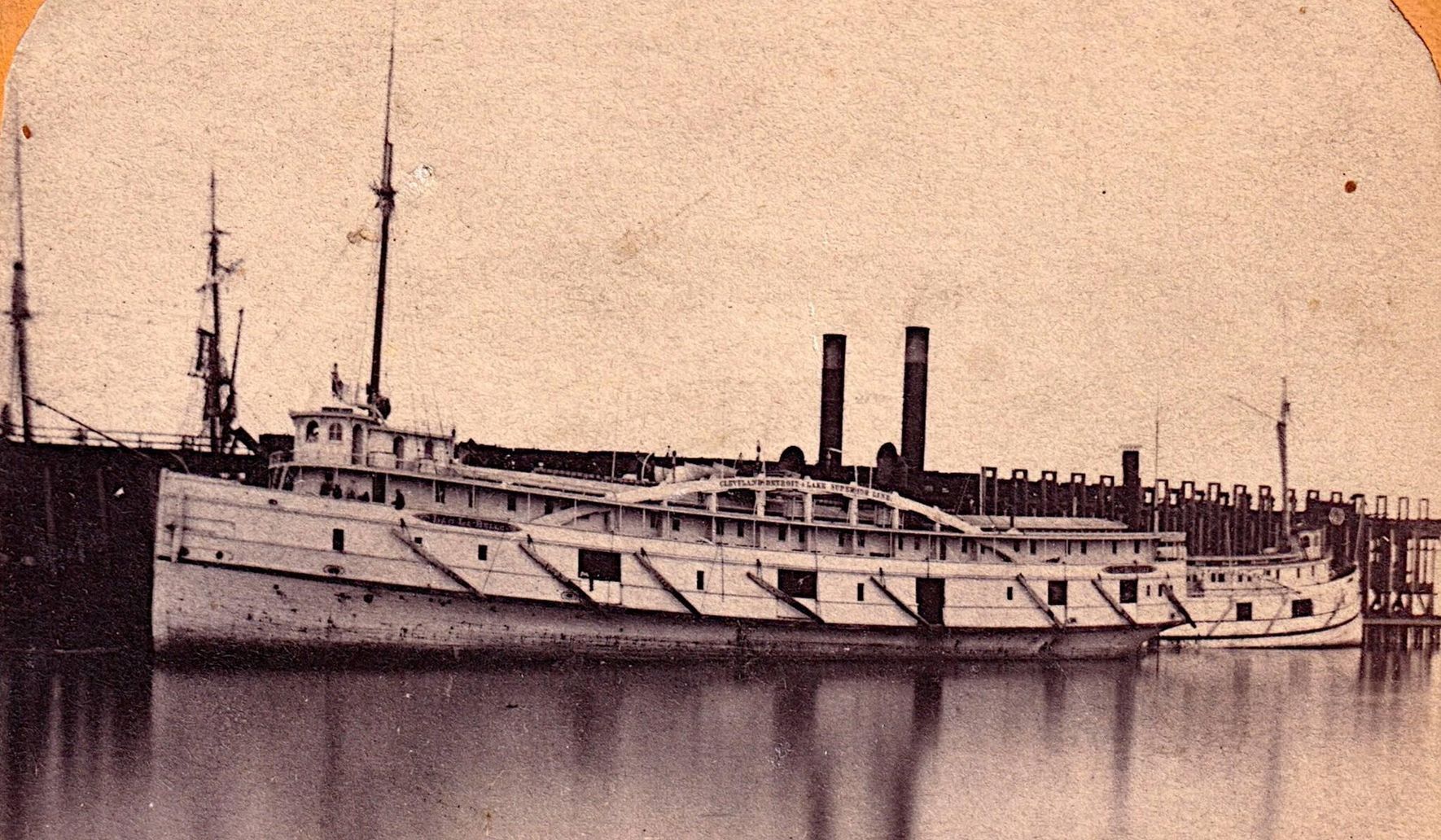
Searchers have located the wreck of a luxury steamer that sank in a Lake Michigan gale in the late 19th century, finishing a quest that began almost 60 years ago.
The discovery closes a long-running search for a luxury steamer that went down in a Lake Michigan gale in the late 19th century, a story that drew curiosity from historians and divers alike. The find follows almost 60 years of searches, research, and careful underwater work to confirm the long-sought wreck. Details released by the team point to a well-preserved site that matches historical descriptions.
Maritime researchers say the vessel’s remains lie on the lake bottom with structural features that are consistent with a luxury steamer built in the late 1800s. Deck outlines, machinery shadows, and cargo traces help researchers link the wreck to archival plans and contemporary accounts of the gale. Those physical cues were crucial to matching the site to the historical vessel without relying on a single unmistakable artifact.
The gale that sank the steamer is still described in period newspapers and shipping logs as sudden and violent, catching several ships off guard. Survivor accounts and official records from that era painted a picture of a storm that overwhelmed well-built vessels, emphasizing wind, waves, and poor visibility. Modern investigators used those historical descriptions to narrow search areas and interpret what sonar and video showed underwater.
Underwater technology played a big part in the eventual discovery, with side-scan sonar and remotely operated vehicles providing the first clear images of the site. These tools allowed teams to map the wreck in detail while minimizing disturbance to fragile remains. That approach also let investigators document evidence that ties the wreck to the late 19th-century luxury steamer without intrusive recovery operations.
For maritime historians, confirming the wreck’s identity depended on more than looks; materials, construction style, and the arrangement of machinery all matter. The team compared what they found to shipyard records and contemporary descriptions of luxury steamers from the period. That comparative process gave them confidence that the match was more than circumstantial, though full confirmation often takes time and careful analysis.
Local communities and descendants of those connected to the ship have followed the search for decades, and the discovery brings closure to many who treated the search as a living piece of family and regional memory. Museums and historical societies are already discussing how to handle artifacts and information from the site with respect for both history and preservation. Officials stressed that underwater cultural heritage deserves protection, and they urged measured, scientific investigation over sensational recovery.
The wreck also offers a snapshot of maritime life and luxury in the late 19th century, when steam power was reshaping passenger travel and commerce on the Great Lakes. Luxury steamers combined comfort with new engineering, and their stories reveal a great deal about social and economic changes of the era. Archaeologists hope the site will yield insights into onboard life, construction methods, and how vessels of that class handled extreme weather.
Going forward, the team plans to document the site thoroughly and coordinate with preservation authorities to ensure the wreck is studied responsibly. Public access to findings will likely come through reports, museum exhibits, and controlled media releases that show how the identification process unfolded. The discovery stands as a reminder that even well-documented maritime mysteries can be solved with patience, careful science, and respect for the past.

