

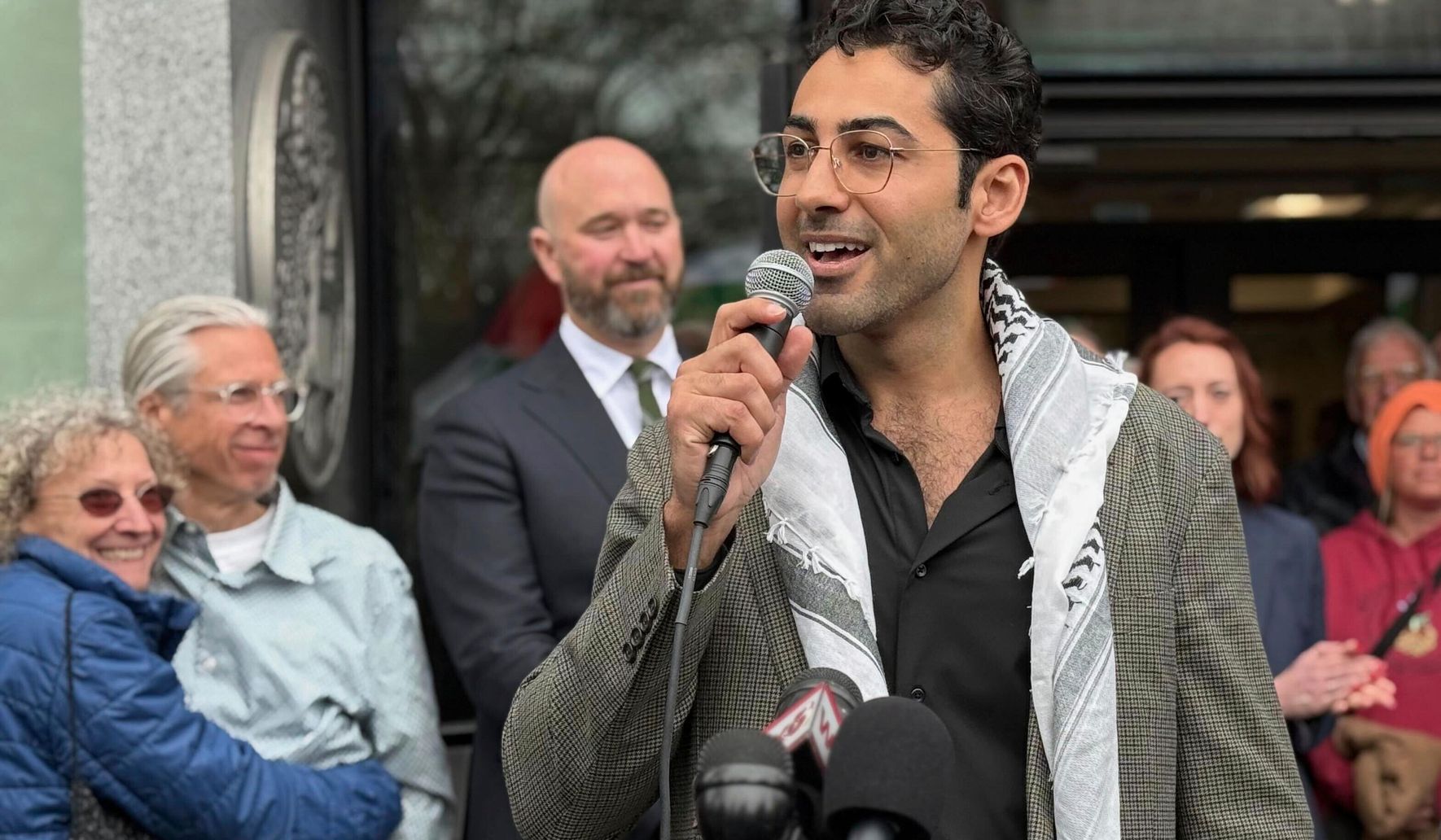
An immigration judge has temporarily blocked the Trump administration from removing Mohsen Mahdawi, a Palestinian graduate student who led protests at Columbia University against Israel and the war in Gaza, and the ruling raises questions about how immigration enforcement and campus unrest will be handled going forward.
An immigration judge issued an injunction that prevents the administration from carrying out a deportation order for Mohsen Mahdawi, a Palestinian graduate student who became a visible leader of protests at Columbia University opposing Israel and the war in Gaza. The judge’s decision halts immediate removal, leaving Mahdawi in the United States while legal challenges continue. That outcome sets up more hearings and potential appeals in the immigration courts.
The pause in deportation does not erase the fact that the administration moved to remove him, and Republican critics are likely to view the judge’s intervention as undermining border security and enforcement priorities. From a conservative standpoint, immigration policy must be predictable and enforceable, and judicial stays can complicate consistent application. The resulting uncertainty fuels debate about how strictly immigration rules should be applied when national security and public order are invoked.
Mahdawi rose to prominence on campus as an organizer of demonstrations over the war in Gaza, actions that drew national attention and sparked heated debate about protest tactics and university responses. Columbia University saw clashes between demonstrators and authorities, and the situation highlighted tensions between free speech and campus order. Those events became part of the administration’s record when it pursued deportation.
Legally, a judge blocking an enforcement action is not the same as an acquittal or a finding of innocence; it is a procedural decision that buys time and shifts the fight into the courts. The immigration system includes multiple layers where stays, appeals, and motions can delay or reverse removal orders, and that process can take months or years. Conservatives argue that lengthy delays amount to de facto relief that undermines the deterrent effect of enforcement.
Universities face a difficult balance between protecting free expression and maintaining safety for students and staff, and the Columbia protests underscored those competing obligations. Administrators must navigate student demands while coordinating with law enforcement and legal authorities, all under intense public scrutiny. A failure to maintain clear standards on campus can invite outside intervention and politicize routine disciplinary decisions.
For Republicans, the judge’s decision will be framed as an example of the judiciary overstepping and obstructing policies meant to secure borders and enforce legal status rules. The Trump administration’s immigration priorities emphasized removal of noncitizens who are viewed as threats or who engage in serious misconduct, and any judicial block is seen as a setback to those goals. That dynamic feeds calls for clearer statutes or more vigorous enforcement mechanisms to prevent similar outcomes.
The immediate practical effect is simple: Mahdawi remains in the country as his case moves through appeals and hearings, and immigration officials must decide whether to pursue additional legal steps. Meanwhile, campus organizers and opponents alike will watch how the case influences protest strategy and university responses. Lawmakers and enforcement agencies will be weighing whether current tools are adequate to handle politically charged cases tied to public demonstrations.
The broader implications reach into public confidence in immigration policy, campus governance, and the rule of law. When enforcement appears inconsistent or easily stayed, it encourages critics who claim that enforcement resources are being squandered and that consequences are uncertain. Those concerns drive Republican calls for reforms that tighten procedural loopholes and ensure administrative actions can be carried out when justified.
Whatever happens next, this case will likely proceed through the immigration courts and possibly into higher appeals, and its trajectory will influence how future protests tied to international conflicts are treated by both universities and federal authorities. The practical fallout may include renewed attention from lawmakers, sharper guidance from campus leaders on acceptable protest behavior, and more public debate about the relationship between immigration enforcement and civil dissent. Observers on all sides should expect additional legal filings and public statements as the matter unfolds.


1 Comment
This man is a true HERO for exposing the evil synagogue of satan! Zionists are the # 1 enemy of humanity .
Know Jews, No Peace. No Jews, Know Peace!