

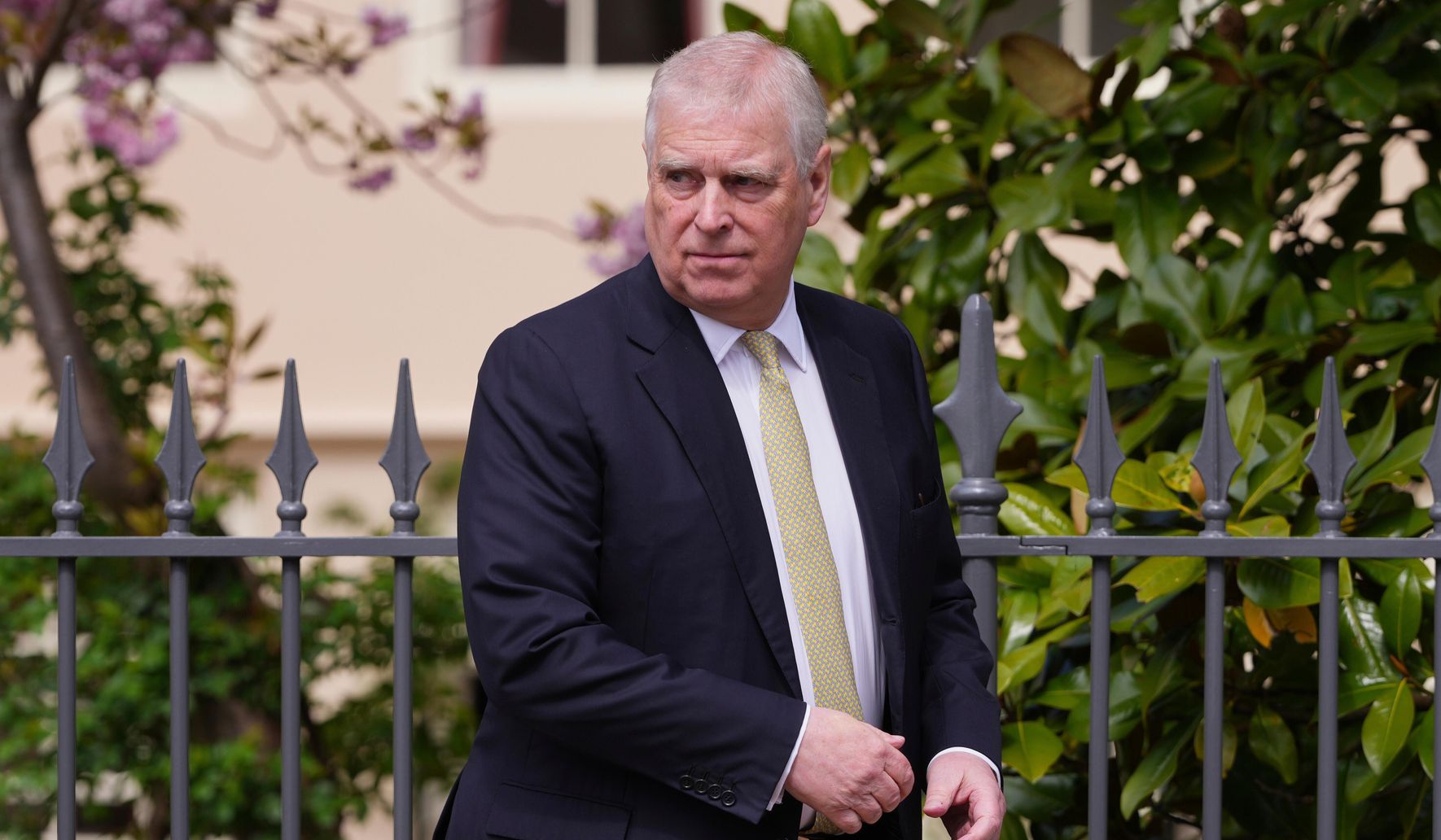
Police in Britain moved swiftly when allegations surfaced, and the arrest of a senior royal figure has reshaped an unfolding legal story with immediate public and institutional consequences.
British police on Thursday arrested Andrew Mountbatten-Windsor, the former Prince Andrew, on charges of misconduct in public office. The arrest announcement landed without fanfare, but the legal and public implications were immediate and wide reaching. Officials have kept many details close to the vest while confirming that formal procedures are now under way.
Local law enforcement described the action as part of a standard investigative process that led to a custodial arrest. That phrasing signals an escalation from inquiry to criminal procedure, which typically involves questioning, possible charge files, and movement through the court system. For observers this marks a clear step beyond informal probes or civil disputes.
The charge named, misconduct in public office, is a common law offense that covers abuses by people entrusted with public duties. It is flexible by design, meant to capture behavior that seriously breaches the standards expected of someone in a public-facing role. The application of this charge to a former royal figure raises questions about how public trust and privilege intersect with the law.
Because of his former position, this arrest draws attention not only to the individual but also to institutions tied to him. Commentators and legal analysts are already parsing what the case says about accountability and the reach of criminal law. The reaction ranges from calls for full transparency to concerns about how evidence and witness testimony will be handled.
Officials have not released exhaustive details, citing the need to protect the integrity of the investigation and the privacy of those involved. That approach is standard, especially in cases that may involve sensitive material or high-profile persons. Still, it leaves the public and media filling in gaps with speculation and context drawn from past legal precedents.
Legal experts note that an arrest does not equal guilt, and the next steps will determine how the case proceeds in court. Pretrial hearings, possible bail conditions, and the decision to prosecute will set the timetable. Each procedural move will be closely watched because of the unusual public profile of the person involved.
For institutions connected to him, the arrest forces quick decisions about statements, access, and cooperation with authorities. Some organizations may choose to express support for the rule of law while distancing themselves from allegations. Others may await formal charges before making any official judgments.
Public reaction has been mixed, blending curiosity, skepticism, and demands for accountability. High-profile arrests tend to polarize opinion, and social commentaries have already shaped how different communities interpret the event. The focus for many will be how the justice system treats everyone equally, regardless of pedigree or position.
Media coverage will likely remain intense, and that poses challenges for a fair process. Courts can impose reporting restrictions or gag orders to prevent prejudicing potential jurors, but those measures are hard to enforce in an age of instant commentary. Observers say balancing transparency with the right to a fair trial will be a key test in this matter.
What happens next will depend on the strength of the evidence, the decisions of prosecutors, and the pace of judicial hearings. Each of these factors will shape whether charges are pursued and how the case is framed legally. For now, the arrest marks a turning point from investigation to formal legal process, and everything that follows will build on that moment.

