

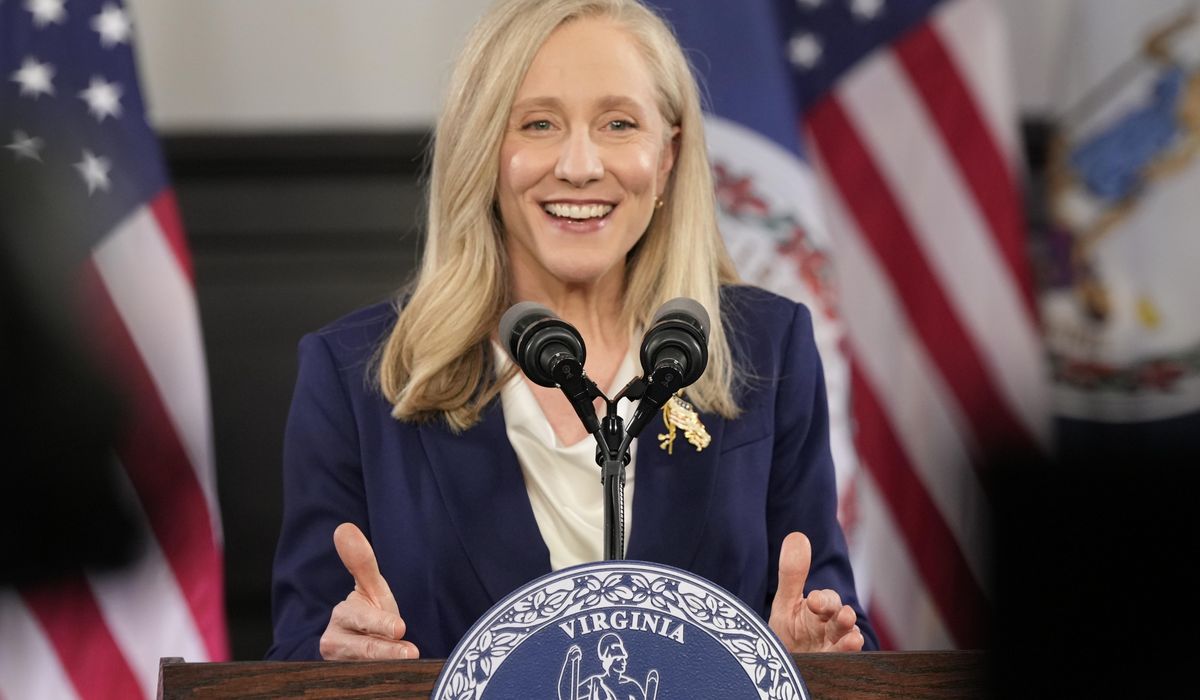
Virginia Gov. Abigail Spanberger condemned President Trump Tuesday night in the Democratic response to Mr. Trump’s State of the Union address, saying that his policies have made life more costly.
Virginia Gov. Abigail Spanberger condemned President Trump Tuesday night in the Democratic response to Mr. Trump’s State of the Union address, saying that his policies have made life more costly. The response aimed squarely at pocketbook grievances and tried to tie day-to-day struggles back to the president’s record. It was a familiar Democratic playbook: blame the White House for rising prices and promise relief through different priorities.
From a Republican angle you hear a different story. GOP officials point to tax relief, regulatory rollback, and expanded domestic energy production as policies that can ease costs and spur economic growth. That argument frames the Democratic critique as politically convenient but materially incomplete.
Critics on the right argue that price pressures have multiple sources beyond any single administration. Global supply chains, pandemic disruptions, overseas conflict, and central bank decisions all factor into consumer prices. Republicans say addressing costs requires practical policy fixes rather than broad blame.
The Democratic rebuttal focused on personal impact and fairness, seeking to make the State of the Union about kitchen-table issues. Spanberger’s remarks were designed to spotlight everyday costs and to hold the president accountable for economic pain voters feel. That approach resonates with voters who want quick answers.
Republicans counter by stressing long-term measures they say will reduce costs and expand opportunity. They emphasize lower taxes, less red tape for businesses, stronger domestic energy, and a focus on workforce training to raise family incomes. The GOP message frames economic strength as the best remedy for higher prices.
Political theater is part of these exchanges. The State of the Union is an event where each side sharpens its contrast and tests talking points for the campaign trail. Expect both parties to keep recycling these themes as the election clock ticks down, each claiming their fixes will help everyday Americans.
For voters, the debate is about which direction will genuinely improve living standards. Republicans argue that growth-oriented policies create the jobs and wage gains that matter most, while Democrats push safety nets and targeted relief. That clash of strategy is where the argument over responsibility and remedy really plays out.
Whatever the immediate headlines, the clash between Spanberger’s Democratic reply and the Republican defense of the president makes clear this will be a central battleground. Both sides will use the moment to sharpen their appeals and rally supporters. The political back-and-forth will continue as each side sells its version of how to lower costs and boost American families.

