

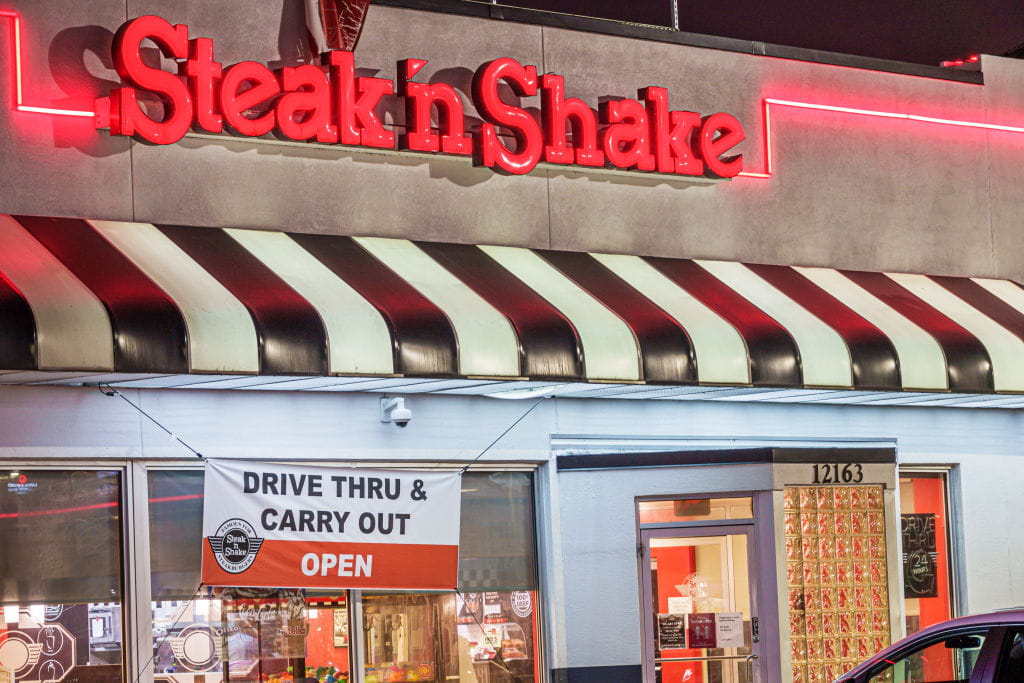
Steak ‘n Shake will remove all microwaves from its restaurants by April 15, shifting toward traditional cooking methods and saying the decision is about food quality, not fears of microwave safety.
Fast-food burger chain Steak ‘n Shake is eliminating all microwaves from its restaurants by April 15, a change meant to return preparation to more traditional techniques. The move is not driven by fears of electromagnetic radiation or other possible harms from microwave ovens but a desire to prepare food the good, old-fashioned way. That explanation frames this as a quality and branding choice rather than a safety panic, and management is positioning the change as part of a broader operational reset.
Customers are likely to notice a difference that goes beyond marketing-speak, since microwave-free kitchens change how items are reheated, assembled, and timed for service. Steak ‘n Shake will need to rely more on stovetop, broiler, and oven workflows that can affect speed during peak hours. The company’s rollout timeline gives franchisees and staff a defined deadline, which helps with training and inventory changes but also raises questions about short-term capacity.
On the employee side, removing microwaves means retraining crews to handle fresh heating methods that require more attention and technique. Staff must learn new timing cues and safety practices for grills and ovens, and management must adjust scheduling to keep service standards steady. Those operational shifts often come with upfront costs and logistics work, but proponents say the payoff is better-tasting food and a stronger brand promise.
From a supply perspective, menus and prep routines may be simplified or tweaked to fit the new kitchen rhythm, with some items reformulated to hold up under different heat sources. That could change ordering patterns and storage needs for ingredients that were previously cooked or finished in a microwave. Suppliers and distributors that work with Steak ‘n Shake will watch closely for changes in volume and delivery timing tied to the April 15 target date.
Marketing will play a big role in how customers accept the shift, and Steak ‘n Shake can frame the change as a return to basics that echoes diners and local burger joints. The company’s message leans into authenticity and craft, which can resonate with diners tired of hyper-processed fare. But expectations must be managed: faster service fans expect speed, and some regulars may balk if perceived convenience takes a hit.
There’s also a safety and compliance angle even though the chain insists the move is not driven by fears of electromagnetic radiation or other possible harms from microwave ovens but a desire to prepare food the good, old-fashioned way. Fire codes, ventilation, and equipment warranties differ when grills and ovens see heavier use, so franchisees will need to coordinate with local inspectors and vendors. The practicalities of kitchen layout and maintenance will influence how smoothly the April 15 transition actually goes.
Competitors and industry observers will be curious whether the microwave ban becomes a trend or a one-off experiment tied to Steak ‘n Shake’s identity. Quick-service brands have tried many tactics to balance speed, flavor, and image, and this is a bold operational pivot that invites scrutiny. Steak ‘n Shake has been a leader in MAHA […] and this decision will test whether a vow to old-fashioned preparation can survive the reality of modern fast-food economics and customer habits.
The coming weeks will reveal how customers and crews adapt as franchise owners swap out or disable microwave units and retrain staff. For now, the company’s stated goal is simple: make food in ways that feel more handcrafted and less industrial. How that translates into sales, service times, and franchisee satisfaction will determine whether April 15 is the start of a new chapter or a short-lived experiment.

