

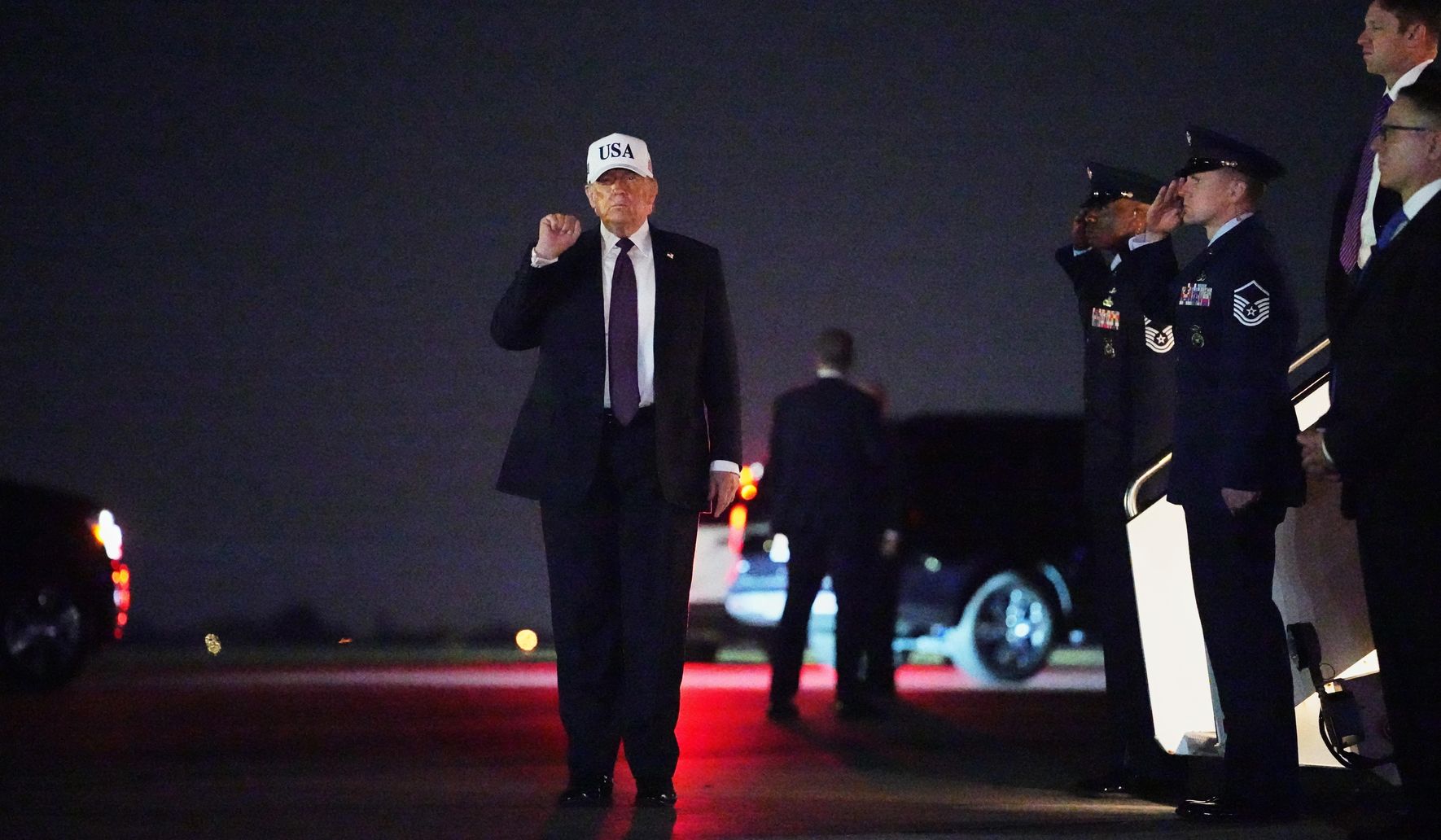
President Trump reached out to leaders across the region while keeping a close watch on escalating tensions with Iran, coordinating allied responses and signaling firmness from his Florida estate.
President Trump called three leaders in the Middle East on Sunday as he monitors the burgeoning conflict with Iran from his Florida estate, the White House said. The calls underlined his hands-on approach to foreign affairs and his preference for direct lines to regional partners. This was not a symbolic move; it was active management from the Oval Office carried out from Mar-a-Lago.
Those conversations aimed to steady nervous partners and hammer out a shared picture of deterrence. Republicans view that kind of leadership as essential when a potential conflict is unfolding. The aim was clear: keep allies aligned and prevent missteps that could drag the United States into a wider war.
From a conservative perspective, strength and clarity at the top reduce the chance of miscalculation. Trump prioritized messaging that the U.S. stands ready without rushing into conflict. That balance—visibility plus restraint—reflects a national-security style Republicans often champion.
Behind the phone calls sits a simple principle: allies matter and coordination prevents chaos. Washington needs regional partners to manage borders, choke off militant supply lines, and share intelligence. These conversations were a practical step toward tighter cooperation on the ground and in the skies.
Military readiness remains an obvious component of deterrence, and the administration has been public about that posture. Forces in the region are prepared to respond if necessary while commanders brief civilian leadership. Republicans favor maintaining options that make aggression costly for adversaries.
Diplomacy was also in play during the calls, and that is no surprise. Negotiating or at least opening lines of communication reduces the risk of unintended escalation. Trump’s outreach suggests the United States seeks to contain the crisis through pressure backed by credible force.
Sanctions and economic pressure are part of the toolbox being wielded quietly alongside military signals. Those measures can squeeze adversaries without immediate kinetic action. For those who prefer limited, targeted pressure rather than broad conflict, sanctions are the pragmatic first move.
Intelligence sharing was an obvious subtext of the discussions, because timely information saves lives and buys breathing room. When allies swap solid intelligence and act on it, the region can move faster to intercept threats. Republicans see robust intelligence cooperation as an efficient way to protect American interests while avoiding large-scale commitments.
Public messaging from the administration has emphasized deterrence and responsibility, rather than alarm. That tone seeks to reassure both the American public and U.S. partners that leaders are in control. A steady voice in times of crisis reassures markets, allies, and deployed troops.
At the same time, the calls put Tehran on notice that isolated actions could trigger broader consequences. Clear signals work when backed by credible resolve and allied unity. Republicans argue that bold, consistent signaling is often what prevents conflicts from spinning out of control.
The week ahead will test whether diplomatic coordination and pressure hold together under stress. For now, the president’s direct outreach shows an administration determined to manage risk without panicking. That blend of presence, patience, and preparedness reflects the approach conservative voters expect when America’s security is at stake.

