

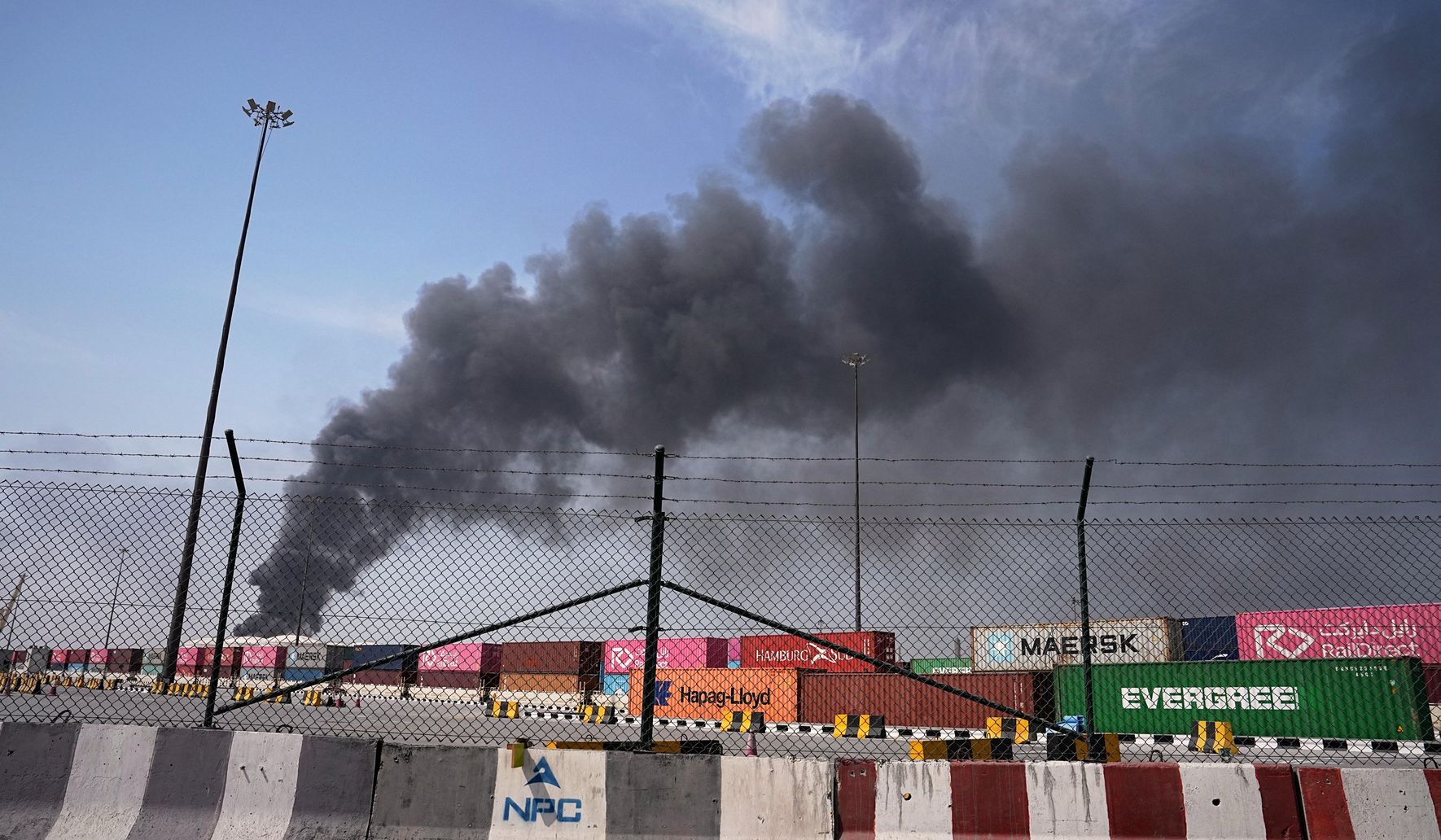
U.S. and Israeli planners are likely to focus on neutralizing Iran’s capacity to launch massed missile attacks, using military, intelligence, and economic tools to blunt Tehran’s strike capability while protecting regional partners.
Crippling Iran’s ability to launch volleys of missiles at targets in the Middle East will likely be a priority for U.S. and Israeli military planners over the next few days, a former commander of. That blunt sentence sets the tone for what leaders in Washington and Jerusalem view as an urgent, practical task. The aim is straightforward: stop coordinated missile salvos that threaten allies and destabilize the region. Planning will mix kinetic strikes, intelligence-driven operations, and tighter controls on materiel flows.
Decision makers on the right see this as the moment to act decisively, not to debate endlessly. The goal is to degrade launchers, depots, and command nodes so Iran cannot mass-fire missiles into population centers or critical infrastructure. Doing that reduces the need for a larger, prolonged conflict by restoring deterrence quickly. Military planners prefer options that impose clear, reversible pressure while minimizing civilian harm.
Operationally, a layered approach is expected. Long-range strikes would target missile launchers and hardened storage sites, while precision munitions and stand-off weapons limit exposure to friendly forces. Electronic warfare and cyber tools will be used to blind and confuse Iran’s targeting and launch coordination. At the same time, allied naval forces and coalition air patrols can interdict resupply routes heading through the Gulf and into proxy networks.
Intelligence will be the backbone of any campaign. Accurate, timely targeting requires human sources, signals collection, and overhead surveillance working together. Israel and the U.S. have complementary capabilities that, when fused, can find mobile launchers and concealed stockpiles before they fire. A heavy investment in targeting reduces wasted strikes and lowers the risk of escalation from misidentification.
Diplomacy and economic pressure will run in parallel with the military moves. Sanctions targeting procurement networks, shipping fronts, and banking channels squeeze Tehran’s ability to buy components and transport them. Republican thinking favors compounding pressure so Tehran faces clear costs for aggression while allies see concrete steps that strengthen defense. That combination is meant to force Iran back from escalation without rewarding bad behavior.
Defense upgrades for partners matter as much as offensive action. Expanding missile defense interceptors, improving early warning systems, and supplying hardened shelters to vulnerable civilian areas blunt the tactical effect of any remaining strikes. Strengthening regional partners sends a message: attacks will not go unanswered and defending civilians is a priority. Those measures also buy time to pursue follow-on pressure and targeted strikes if needed.
Coalition building will be practical and interest-driven. Countries in the Gulf and Europe share a stake in stopping missile barrages and protecting shipping lanes. Expect focused diplomatic outreach to shore up basing access and overflight rights for deterrent patrols. This is not about open-ended commitments but about pooling capabilities to achieve a clear objective quickly.
Rules of engagement will emphasize precision, clear thresholds, and measured escalation so that efforts to degrade missile capabilities do not automatically spiral into wider war. The Republican view favors decisive, limited actions that remove immediate threats while keeping broader strategic options open. If done correctly, this approach preserves freedom of action, protects allies, and restores a credible deterrent that holds Tehran accountable without surrendering to paralysis or appeasement.

