

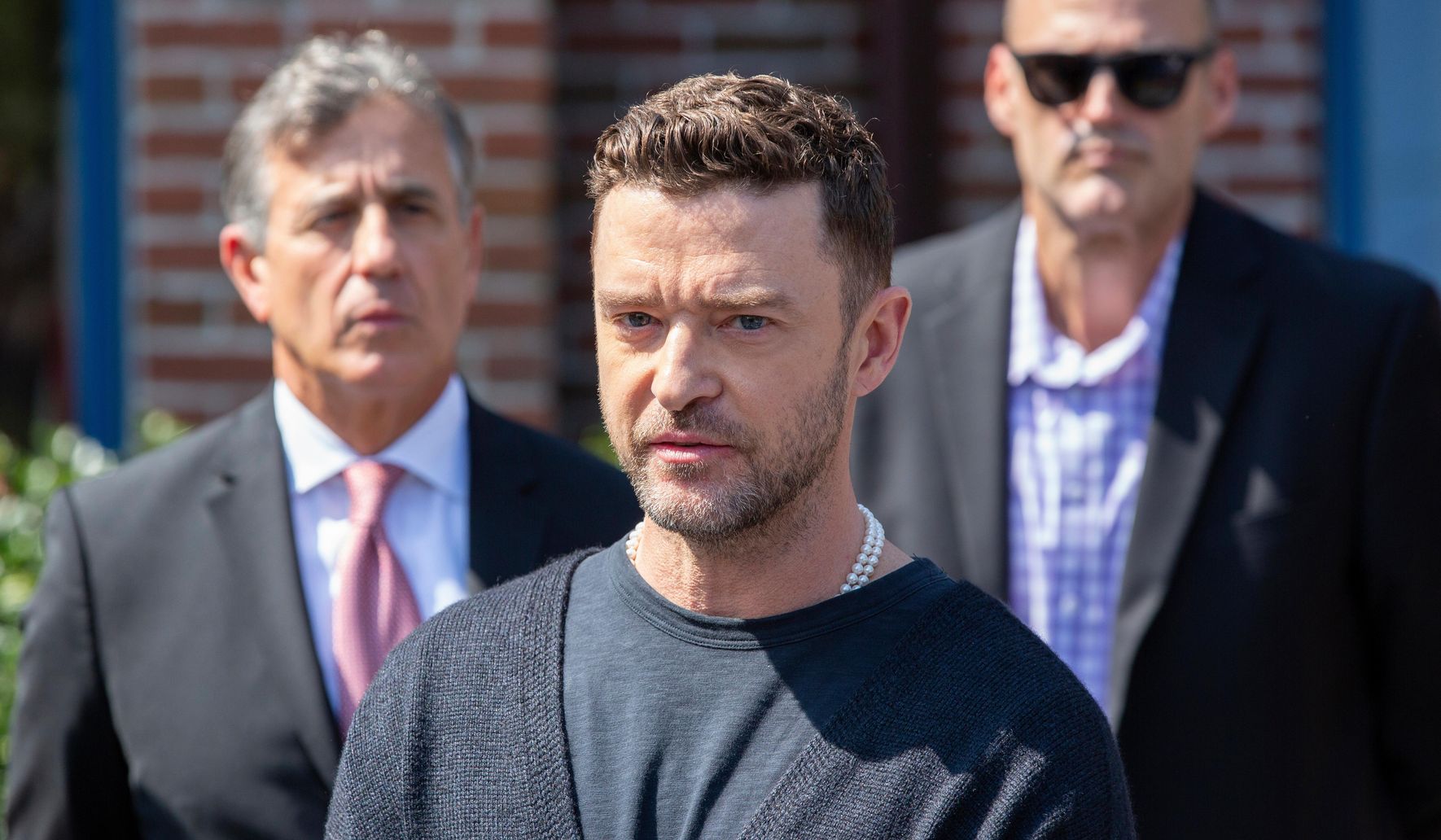
Justin Timberlake is suing to block the release of police body camera footage from his drunken driving arrest in New York’s Hamptons in 2024. The move has stirred a clash between a high-profile figure’s privacy and the public’s demand for transparency, with both sides pressing familiar arguments about fairness, safety, and spectacle.
The arrest in the Hamptons last year put a private moment under a very public spotlight, and that attention hasn’t let up. Authorities recorded the encounter on body-worn cameras, and those recordings are now the focal point of a legal fight. The stakes feel larger than one case because the outcome could shape how similar incidents are handled going forward.
Timberlake’s legal team filed to block release of the footage, arguing that airing the videos would unfairly amplify personal and medical details and prejudice any pending legal process. The request frames the dispute as a matter of privacy and due process, not just reputation management. That approach seeks to keep the matter confined to the courtroom rather than the court of public opinion.
On the other side, law enforcement and transparency advocates say body camera footage plays a key role in accountability and public trust. They argue that releasing recordings helps the public understand what happened and reassures citizens that police actions are being documented. Those calls for openness collide directly with celebrity concerns about privacy and the potential for relentless media coverage.
New York’s legal standards require courts to weigh privacy against public interest, and judges often sift through competing claims before deciding whether footage should be disclosed. Courts look at specifics like whether revealing the video would interfere with an ongoing investigation or risk exposing sensitive medical information. This balancing act leaves judges considerable leeway, so outcomes can vary depending on the facts and local precedent.
The defense emphasizes potential harm beyond embarrassment, insisting that once footage is released it can be used and reused in ways that outlast any legal resolution. That argument taps into a wider worry about the permanence of viral content and how it can shape careers and personal lives. For someone in the public eye, the impact reaches well past the legal consequences of a single charge.
Prosecutors and some officials counter that transparency can protect both the public and the involved officers by showing what actually happened. Releasing video can end speculation and provide context, they say, which can be useful whether it exonerates or implicates the person recorded. Those points carry weight in a moment when public confidence in institutions is fragile and media narratives form quickly.
The case also highlights the messy intersection of celebrity and the justice system, where high-profile defendants face intensified scrutiny and every procedural move gets parsed in public. That scrutiny can change how the legal process plays out, influencing plea discussions, trial dynamics, and even negotiation strategies. It’s a reminder that legal battles over evidence often become media battles too.
Expect the next phase to hinge on motion hearings and targeted filings that ask a judge to decide what, if anything, should be made public. The timeline will depend on the court’s docket and the urgency both sides attach to getting the footage released or sealed. Whatever the decision, this case will be watched closely for the precedent it might set on how similar disputes are resolved.

