

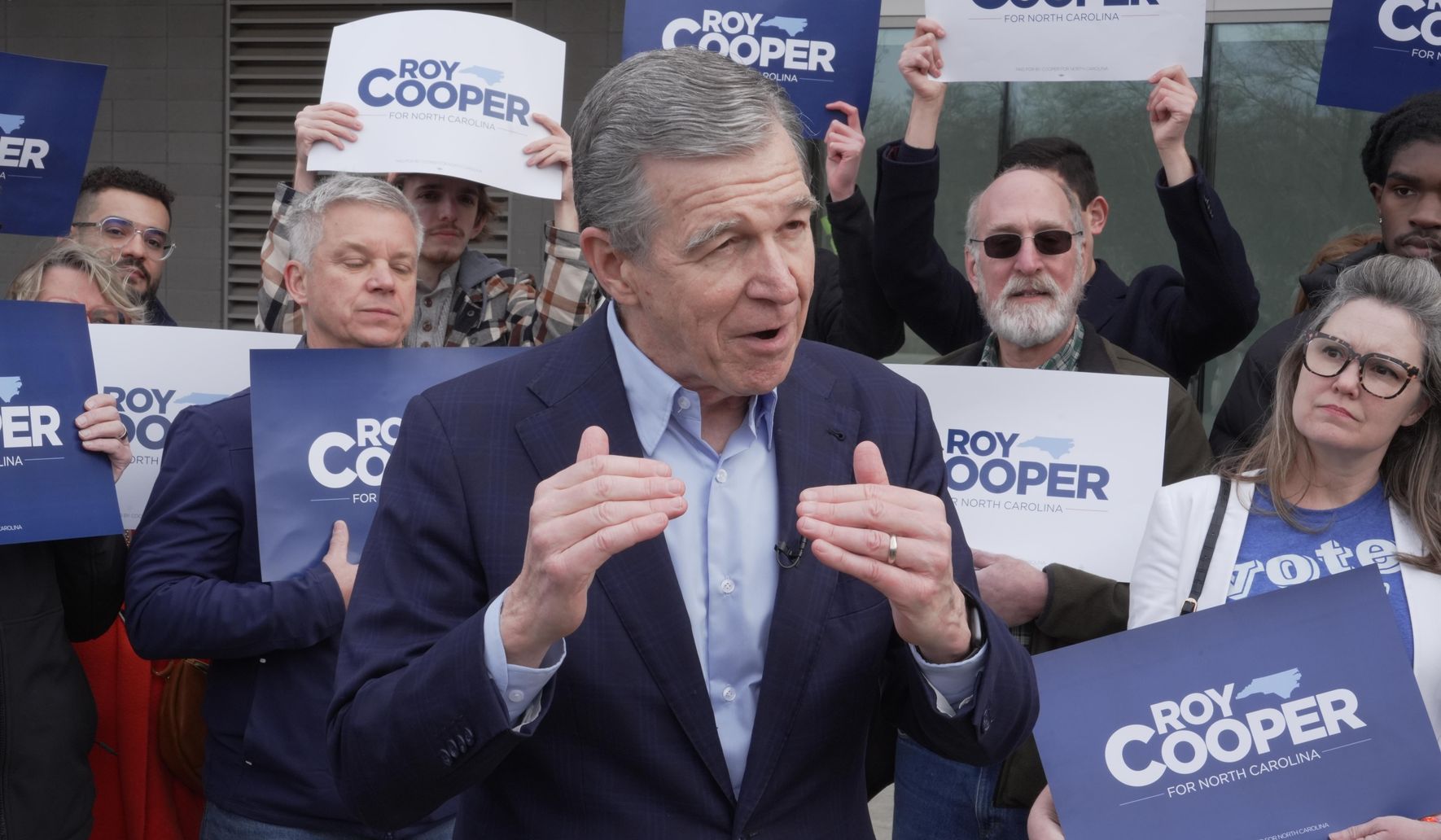
North Carolina’s primary kicks off a headline U.S. Senate contest, with former Democratic Gov. Roy Cooper set to face a competitive Republican opponent in a race that could reshape the balance in Washington.
The state’s primary marks the official starting gun for one of the most watched Senate campaigns in the country, with national attention and big-dollar interest already lining up behind both sides. Voters in North Carolina will be asked to weigh local concerns against national stakes, and campaigns are sharpening messages aimed at persuadable suburbs and rural turnout alike. The contest promises intense ground operations, aggressive advertising, and an early litmus test of party enthusiasm heading into the general election.
Republicans see this race as a prime pickup opportunity and are framing their argument around pocketbook issues, public safety, and a plea for accountability in Washington. The GOP narrative emphasizes tax relief, regulatory restraint, and support for small businesses as remedies for families feeling squeezed. Campaigns will highlight any perceived gaps between promises from Democrats and outcomes voters actually see in their lives, turning Cooper’s record into a focal point for debate.
Democrats, meanwhile, will defend the record of “former Democratic Gov. Roy Cooper” by pointing to investments in education, infrastructure, and social services as proof of steady leadership. They will argue continuity matters and portray the upcoming contest as a choice between stable governance and partisan change. Both sides will try to nationalize or localize the race depending on which message plays better in specific counties and demographic groups.
Early polling and internal surveys are likely to drive strategy shifts as campaigns decide where to concentrate resources, and outside groups will quickly test which messages land. Expect targeted mail and digital campaigns aimed at suburban women, younger voters, and rural independents—groups that will determine the margin. Advertisers will probe themes like inflation, healthcare costs, and public safety to measure resonance and identify persuadable blocks.
Fundraising will be a defining feature of this matchup, with national committees and interest groups funneling cash and consultants into the state. Republicans will push narratives of momentum to attract donors looking for a Senate flip, while Democratic backers will emphasize the need to defend a seat in a competitive environment. The result will be a flood of television and digital spots, each side testing attack lines and counter-narratives in rapid succession.
On the ground, turnout operations will matter more than ever, with field staff and volunteers working to translate favorable messaging into votes on election day. Republicans will aim to mobilize base voters and expand outreach into suburban precincts that have trended competitive in recent cycles. Democrats will try to maximize turnout among urban centers, college towns, and constituencies that traditionally support their ticket, knowing narrow margins will decide the outcome.
The role of national issues — judicial nominations, border policy, and federal spending — cannot be ignored, and both campaigns will try to tie opponents to larger narratives in Washington. Republicans will argue that a change of representation could check what they see as runaway federal policies and restore balance. Democrats will counter by stressing the risks of handing control to a party that would reverse recent policy gains.
Expect debates and town halls to be moments of high drama, where candidates must make the case directly to voters without filter. These forums will test both policy depth and emotional connection, and mistakes can be costly in a tight race. Media coverage will amplify key moments, making preparation and message discipline crucial for any candidate hoping to claim the seat.
In the weeks after the primary, the campaign will shift into full general-election mode, with intensive focus on persuasion and turnout in the decisive counties. The national political environment will shape perceptions, but local ground games and candidate clarity often make the difference in close contests. Whatever the outcome, this Senate fight in North Carolina will offer a clear snapshot of the priorities and politics driving voters in the months ahead.

