

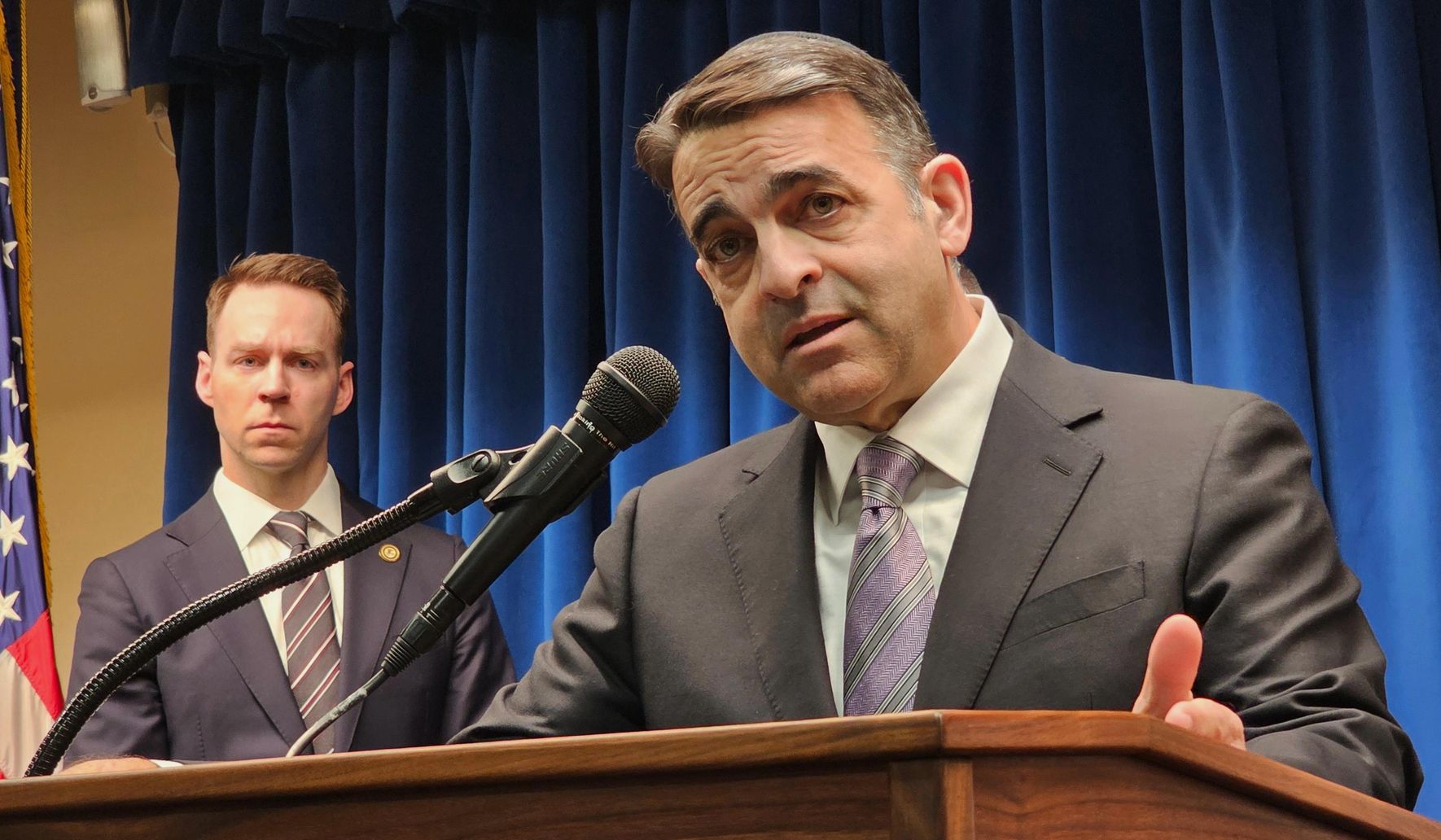
A federal judge clashed Tuesday with Minnesota’s top federal prosecutor during an unusual contempt hearing that highlighted growing confrontations between increasingly frustrated judges and the Department of Justice.
The exchange in federal court didn’t feel routine. A judge publicly snapped at the top prosecutor in the district, and the hearing itself turned into a spectacle that drew attention to deeper friction between the bench and the executive branch. That conflict has started showing up more often in open court, with judges signaling serious impatience.
Judges are supposed to be neutral referees, but when they confront prosecutors in public, it signals something more than a garden-variety disagreement about procedure. These confrontations suggest judges believe prosecutors are not living up to professional responsibilities, whether in charging decisions, disclosure of evidence, or handling courtroom decorum. The result is a courtroom that becomes a forum for institutional tension rather than quiet case resolution.
From a Republican perspective, this is not merely a personalities problem. It reflects a broader accountability gap inside federal law enforcement, where broad discretion has sometimes blurred into a lack of transparency. When judges push back, what you see is the system’s internal safety valve trying to work, and that process can be abrasive and uncomfortable to watch.
Contempt hearings are one of the few tools judges have to enforce courtroom rules and sanction misconduct. They’re rarely used, and when they are, it underscores how far relations have deteriorated. The decision to invoke contempt carries weight because it can affect careers, case outcomes, and public confidence in the justice system.
Public squabbles between judges and prosecutors also have practical costs. They can slow down cases, increase legal expenses, and create confusion about who calls the shots in criminal matters. For defendants, victims, and communities, those delays and uncertainties are no small matter; they shape outcomes and trust in the legal process.
The tension isn’t happening in a vacuum. Over the past decade, prosecutors have gained more latitude in charging priorities and plea bargaining, while trial courts have had to manage heavier dockets with fewer resources. When discretion meets pressure and limited oversight, conflicts can flare up, and judges end up improvising remedies in the courtroom.
Some judges respond by issuing strong rebukes or sanctions to rein in practices they view as improper. Other judges try to resolve disputes through written orders and procedural fixes. Both approaches signal the same underlying problem: a mismatch between prosecutorial behavior and judicial expectations about fairness and candor.
Concern about accountability is a common thread for critics who want clearer standards for federal prosecutors. That extends to how evidence is handled, how defendants are treated, and how district offices manage internal complaints. The goal from this point of view is straightforward: align prosecutorial conduct with the rule of law so judges are not forced into public confrontations.
That alignment could mean more internal discipline, stronger oversight mechanisms, or clearer policies from the Justice Department that steer local offices. Until that happens, expect more tense courtroom scenes where judges and prosecutors test the boundaries of authority. Those clashes will continue to draw attention because they reveal the friction points in an essential but imperfect system.
Courtroom clashes also shape public perception of justice. When judges air grievances in open court, average people notice, and that matters politically and culturally. For anyone who cares about the system functioning as intended, these encounters are a reminder that institutions need maintenance, enforcement, and sometimes a hard look under the hood.
Ultimately, the spectacle of a contempt hearing where a judge and a top federal prosecutor go toe to toe is a symptom as much as a story. It tells you something about power, oversight, and the day-to-day pressures of administering justice in a country where rules and people sometimes collide in very public ways.

