

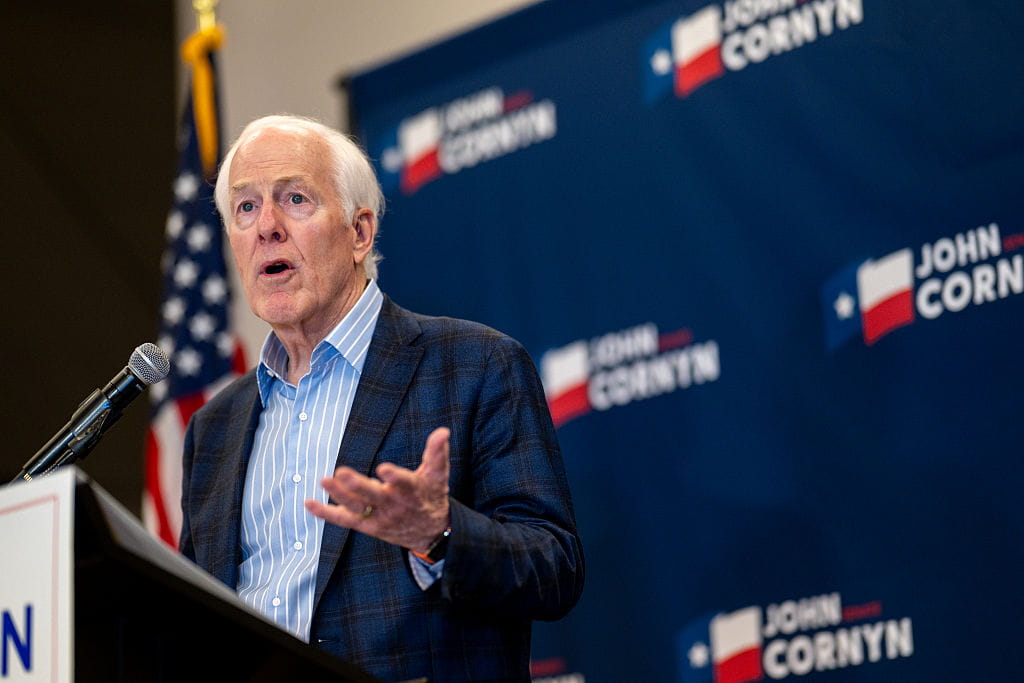
The March 3 primary contests in Texas, North Carolina, and Arkansas set a tone for the midterm fight, with Texas drawing the most attention as Democrats aim to flip a U.S. Senate seat and the results sending signals to the GOP base.
The midterm election primary season kicked off in Texas, North Carolina, and Arkansas on March 3, and those first contests already matter more than the usual early-state noise. Voters were sorting through crowded fields, testing messaging, and revealing who is energized to show up in November. For Republicans, these primaries offered a reality check on how to hold ground in competitive states.
Most of the attention was on the Lone Star State, where Democrats hope to flip a Senate seat in November. Texas has been the lightning rod for national money, ad buys, and prestige, and both parties treated these primaries like an early preview of the general election battlefield. Democrats are banking on demographics and suburban shifts, while Republicans are leaning on turnout and a tight message about security and the economy.
Republican voters in Texas made their preferences clear in ways that matter for November: candidate quality, campaign discipline, and base enthusiasm stood out. Trump-aligned voters remain a crucial voting bloc, and their appetite for nominees who promise to fight resonated across contests. The party’s best hope is to nominate clear fighters who can translate primary energy into broad general-election appeal.
North Carolina and Arkansas played their part too, showing regional differences and shared priorities. In North Carolina, suburban dynamics and turnout patterns will likely shape the fall map and the party’s broader strategy. Arkansas underscored how conservative voters prioritize records on crime, the economy, and border security when narrowing their choices in primary season.
For the MAGA base, the initial returns were a morale indicator more than a final verdict, and the results would have put more smiles than frowns on the faces of President Donald Trump’s MAGA base as the party evaluates its options. That enthusiasm matters because energizing the core helps blunt opposition turnout and attracts undecided voters in competitive districts. Primary winners who can maintain that energy while broadening appeal will be the ones to watch.
Fundraising and ground game were obvious differentiators in these early contests, with cash and organization still carrying weight despite the noise of social media. Candidates who showed disciplined messaging and a door-knocking operation proved more resilient in the face of heavy advertising. Republicans who sharpen their outreach to working-class and suburban voters are in the best position to defend vulnerable seats.
National implications are simple: these primaries give a snapshot of where the GOP stands on messaging and candidate selection heading into the summer. If the party leans too far toward niche appeals, it risks alienating swing voters; if it moves too centrist, it could dampen base turnout. Smart campaigns will balance fierce messaging with a disciplined effort to hold persuadable voters.
Local issues also mattered, as state-specific debates about schools, energy, and local economies shaped voter choices. Campaigns that rooted themselves in community concerns picked up traction, proving that national themes must connect to voters’ daily lives. That pocket-level politics often decides close races was evident across all three states on March 3.
Looking forward, the primary outcomes force both parties to adapt: Republicans must consolidate around winners who can appeal beyond the base, and Democrats must find nominees who can convert hope into turnout. The road to November is long, but these early votes made one thing clear: grassroots energy and disciplined campaigns will decide who controls the momentum when the general election campaign reaches full speed.

