

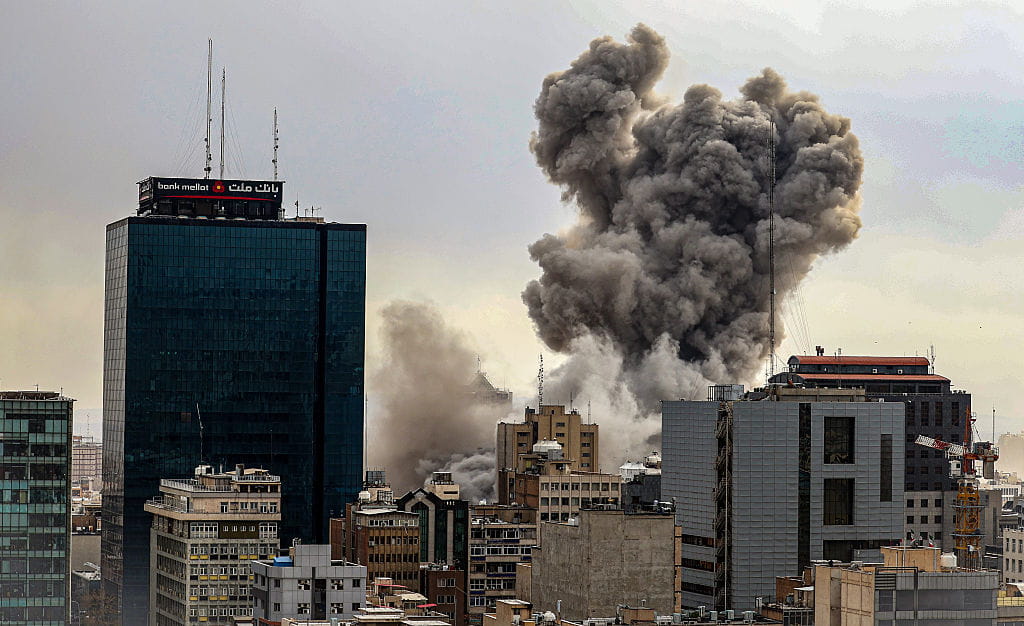
U.S. and Israeli strikes have hit more than 2,000 targets under Operation Epic Fury and Operation Roaring Lion, aiming to blunt Iran’s missile threat and choke off support for hostile actors across the region.
The allied campaign has focused on key missile launchers, storage facilities, and support infrastructure in a concentrated push to degrade Iran’s long-range capabilities. Commanders have emphasized precision and the need to reduce collateral damage while striking hard enough to change Tehran’s calculus. For Republicans, this approach looks like decisive action to protect American forces and allies.
Operational planners say the core aim is to render Iran incapable of launching ballistic missile attacks on US bases, Israel, or any of its neighbors, deprive it of the resources used to support […]
Hitting more than 2,000 targets is a blunt measure of scale, but the real metric is what those strikes remove from Iran’s toolbox: mobile launchers, hardened bunkers, and supply nodes. The goal is not occupation or regime change, it is denial of capability—an effort to raise the costs and risks to any Iranian leader who considers striking American troops or allied territory. From a Republican perspective, denying capabilities is smart, limited warfare.
The campaign’s limited aims require careful execution and clear exit criteria to avoid mission creep into a wider war. That means tying strikes to measurable effects: fewer missile firings, disrupted logistics, and a demonstrable drop in proxy operations supported by Tehran. Lawmakers on the right argue Congress should insist on clear reporting so military commanders stay focused on concrete targets and timelines.
Coordination with Israel has been central, and the messaging to partners in the region is meant to be unmistakable: attacks on U.S. bases or on Israel will carry consequences. American forces have worked alongside Israeli planners to synchronize timing and targets to maximize impact while minimizing overlap. Republican leaders see the alliance as proof that strength and solidarity deter aggression more effectively than concessions or extended negotiations.
There are risks: escalation to a broader conflict and retaliation against commercial shipping or bases remain real possibilities. Policymakers must weigh those risks against the potential danger of allowing Iranian missile and drone networks to operate unimpeded. A tougher stance now, supporters argue, reduces the chance of a far larger war later when Iranian capabilities could be even more threatening.
Domestically, the strikes force a reckoning about American resolve and resource allocation, with fiscal and political implications. Republicans tend to favor using decisive military force while also pressuring Iran economically and isolating it diplomatically. That combined pressure aims to make Iranian adventurism more costly and less appealing to its leaders and proxies.
Intelligence and surveillance have guided target selection, aiming to degrade command-and-control and supply chains rather than inflict indiscriminate damage. Precision strikes that limit civilian harm help maintain international and domestic support for continued action if needed. Maintaining proportionality and lawful conduct bolsters the moral and legal case for the operations among skeptical allies.
The administration must also plan for the aftermath: repairing damaged infrastructure that supports civilians in neighboring countries and preventing further instability. Containing the conflict’s spillover effects is as important as the initial military success. Republicans stress that a strategy combining military pressure with clear political objectives and allied coordination is the best path to lasting deterrence.
In short, the campaign’s immediate goal is to remove Iran’s ability to attack U.S. forces and allies and to choke off the networks that enable proxy violence, while avoiding open-ended war. Success will be judged by sustained reductions in missile launches, disrupted logistics for Iran’s proxies, and a restored sense of safety among American personnel and regional partners. For those demanding firm action, this operation represents the kind of clear, limited use of force that protects national interests without overcommitting American power.

