

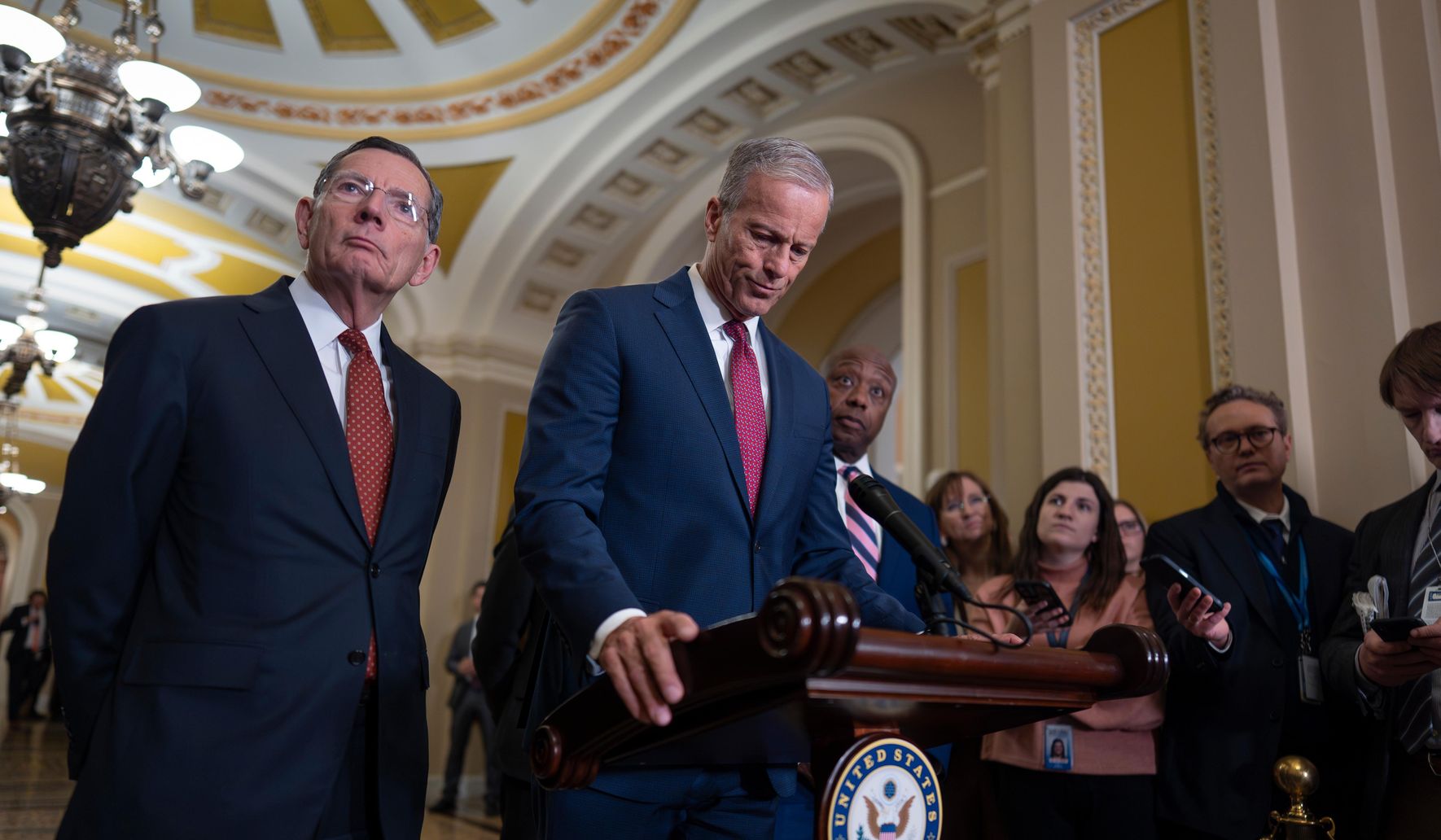
The Senate rejected a war powers resolution concerning military actions against Iran, a move with immediate legal and political consequences.
Republicans argue this result protects the president’s ability to respond to threats quickly and keeps a strong deterrent posture. The debate is not just legal hair-splitting; it shapes how America presents strength abroad and how adversaries read our resolve. This outcome will affect messaging to Iran and allied planning for months to come.
“The Senate on Thursday rejected a war powers resolution that would have required President Trump to get congressional approval for any non-defensive military action against Iran.” That sentence captures the narrow legal question lawmakers faced, but it does not capture the operational reality commanders and diplomats confront. Voting against the resolution signals a preference for flexibility in the use of force during crises.
From a Republican perspective, asking the president to obtain congressional permission for every non-defensive step risks tying troops’ hands and warning enemies before a decisive move. Military operations often depend on speed, surprise, and the ability to exploit fleeting opportunities. When lawmakers insist on preclearance for options that could be critical to protecting Americans, they risk producing paralysis at the worst possible moment.
There is also a political dimension. Congress must be careful not to send mixed messages that encourage adversaries to test boundaries. A law that forces advance approval for many military options becomes an invitation for opponents to probe us, safe in the knowledge that our leaders must ask permission before acting. Republicans tend to favor clear consequences for bad actors and a credible threat of swift response.
That said, insisting the president has more operational latitude does not mean rejecting oversight entirely. Responsible Republicans want tough accountability after actions occur, including classified briefings for key lawmakers and targeted authorizations when prolonged campaigns are likely. Oversight after the fact preserves the ability to act while ensuring elected representatives can exercise their constitutional responsibility to declare or limit war when sustained commitments are on the table.
Legal debates over the War Powers Resolution and the Constitution tend to get bogged down in precedent and process. Republicans often point out that the president must be able to defend the country and American forces immediately without waiting for votes that may split along partisan lines. Yet even within that view there is room for sensible guardrails: clear objectives, time limits on operations that go beyond immediate self-defense, and periodic congressional reauthorization for prolonged missions.
There is also a strategic consequence at stake. If potential adversaries believe the United States will hesitate, they will test our interests more aggressively. Republicans generally argue that a reputation for decisive action deters aggression and reduces the need for longer and costlier interventions. Preserving presidential flexibility is therefore not just about legal authority; it is about preventing conflicts before they start.
At the same time, the Senate’s rejection should prompt a sober conversation about the scope of executive power and how Congress can exercise meaningful oversight without undermining national security. Lawmakers can work on narrowly tailored measures that address clear abuses or excessive unilateral commitments rather than broad rules that restrict necessary, time-sensitive responses. That kind of targeted legislating would reflect a conservative preference for prudent, limited government balanced with robust defense.
Ultimately, the vote reflects competing priorities: the constitutional role of Congress versus the operational needs of the commander in chief. Republicans typically side with ensuring our leaders in the field can act to protect American lives and interests while still holding presidents accountable through oversight and appropriations. The challenge for policymakers now is to translate that balance into workable rules that keep the country safe and preserve constitutional checks and balances.

