

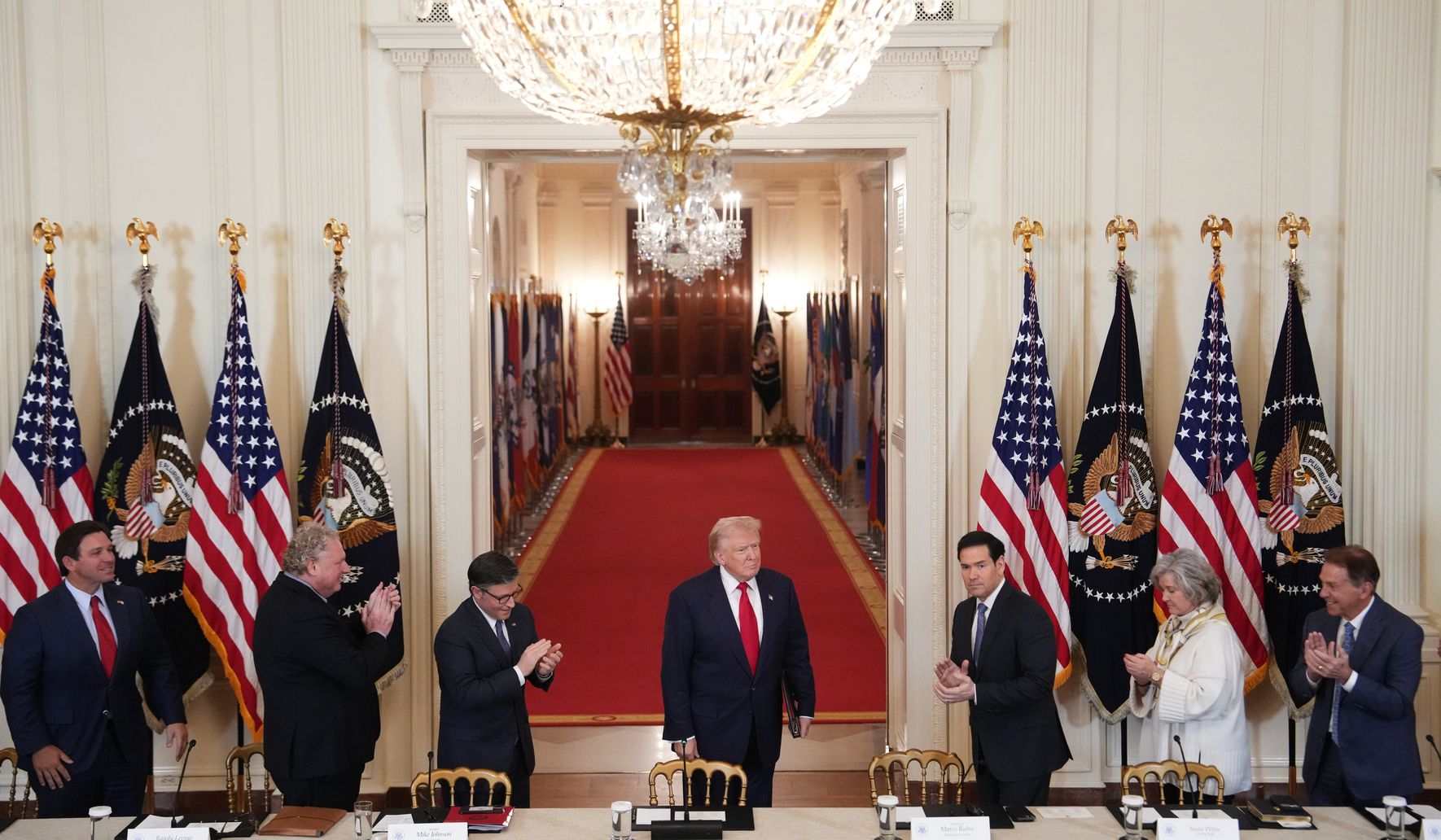
President Trump urged Congress to create a national framework to steady college sports after court rulings, image and likeness deals and recruiting shifts disrupted the system.
President Trump on Friday called on Congress to establish a national framework to stabilize college sports, pointing to recent court decisions and new image and likeness rules that have reshaped recruiting and finances. The changes have strained traditional structures and left fans, schools and athletes navigating a fast-moving landscape. From a Republican perspective, that kind of upheaval calls for clear, durable rules from lawmakers rather than a patchwork of court outcomes and market pressure.
College athletics has always balanced student development, campus life and public interest, but the rules of the game are changing fast. Court rulings and the rise of name, image, likeness deals have turned recruiting into a bigger, more complex business. That complexity threatens parity between big programs and smaller schools unless Congress steps in with a national standard.
A federal framework could set guardrails without micromanaging every play on the field, preserving competition while protecting student-athletes from exploitation. Republicans generally favor clear rules that restore predictable markets and reward programs that do more with less. Congress can focus on transparency for contracts, enforceable recruiting timelines and protections that keep the educational mission front and center.
Part of the debate is practical: who gets to negotiate and how are benefits reported and taxed? Right now the system encourages opaque agreements and recruiting tactics that prioritize dollars over education. A national approach would make the business side cleaner and reduce loopholes that distort recruiting and spending across conferences.
Another concern is competitive balance. Money flows attract talent, and when cash advantages pile up at a few programs, the rest of college football and basketball suffer. A Republican framing here stresses fairness through rule clarity rather than centralized redistribution, aiming to keep rivalry intact and smaller programs viable without turning college sports into a publicly funded enterprise.
Federal rules could also protect the student role in athletics, ensuring that scholarships, academic standards and campus commitments remain central. Lawmakers can require disclosure of NIL deals tied to recruitment and set limits on inducements that undermine true student choice. Preserving the student-athlete model matters for campus culture and the long-term health of college sports.
There will be pushback from conferences, schools and talent representatives who prefer the current freedom to negotiate any deal they can. Republicans can make the case that freedom without guardrails leads to chaos and harms tradition. Smart federal action can backstop market freedom with common-sense rules that stabilize the system while leaving room for innovation.
Congress can act quickly to bring certainty, but lawmakers need to craft rules that are realistic and enforceable, not symbolic gestures that end in more litigation. A successful framework would be narrow, targeted and transparent, aiming to reduce court-driven outcomes and restore public confidence. If Congress follows a straightforward path, it can protect both players and programs while keeping college sports vibrant and competitive.

