

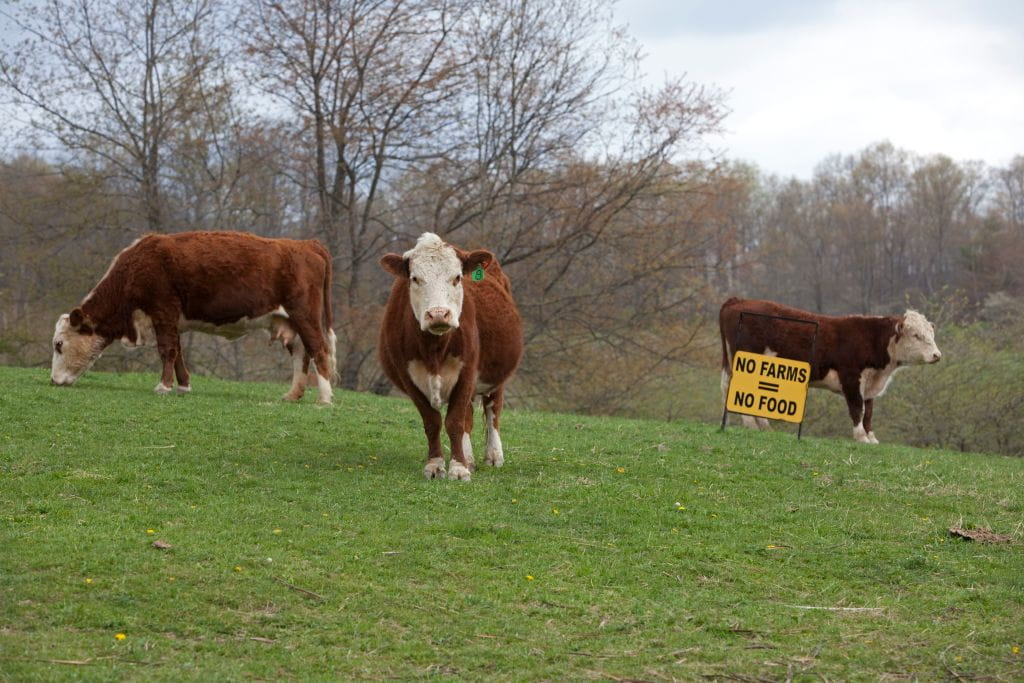
Grocery prices keep climbing, healthy-food campaigns raise production costs, and America’s farms are closing as beef prices stay high despite political promises to bring them down.
Shoppers are fed up with rising grocery bills and rightfully so; everyday trips to the supermarket now hit wallets harder than they did a few years ago. The MAHA movement is pushing for healthier food options, which often mean higher production costs for ranchers and farmers who must meet stricter standards. At the same time, farms across the country are shutting their gates at what experts call alarming rates, squeezing supply and local economies.
Beef prices are a clear illustration of how upstream costs translate to what ends up on our plates, and many consumers feel the pinch with every barbecue season. Input costs—from feed and fuel to parts like tires for tractors—are part of the story, and when those bills go up producers pass them along. Even with political leaders promising to reprise past victories on price relief, the market pressures remain stubborn and visible at checkout.
Policy choices and market forces both play roles in the rural squeeze. Regulatory compliance, rising labor expenses, and consolidation in processing mean smaller operations struggle to compete, and that pushes some farms out of business. When production shrinks, retail prices reflect it, and consumers see fewer options and higher costs at the same time.
The MAHA push for healthier food has merit in aiming for better nutrition, but it comes with tradeoffs many voters ignore. Practices and certifications required to meet those standards add layers of expense in planting, feeding, and processing livestock. Farmers operating on thin margins must either absorb those costs or raise prices, and higher retail costs tend to hit lower-income families hardest.
Supply-chain concentration in meatpacking and processing amplifies price swings, since a few companies now handle a large share of throughput. That makes the system less resilient when disruptions occur, whether from equipment downtime, labor shortages, or unexpected export demand. The result is a market that reacts sharply to input changes and policy shifts, and consumers end up paying for those shocks.
From a Republican perspective, the answer is straightforward: empower producers and reduce unnecessary burdens so supply can grow without being strangled by red tape. Support for domestic ranchers through sensible regulation, targeted tax relief, and streamlined permitting can lower costs without sacrificing safety. Market-driven solutions that keep competition healthy and open the door for new entrants are the best way to bring prices down sustainably.
Practical steps would also include fostering resilient supply chains and encouraging private investment in processing capacity so small and mid-size farms can survive and expand. Trade policy should favor predictable markets and keep export demand from creating domestic shortfalls, while innovation in agriculture can trim costs over time. Until those changes take hold, shoppers should expect price volatility to continue and rural communities to keep fighting to stay in business.

