

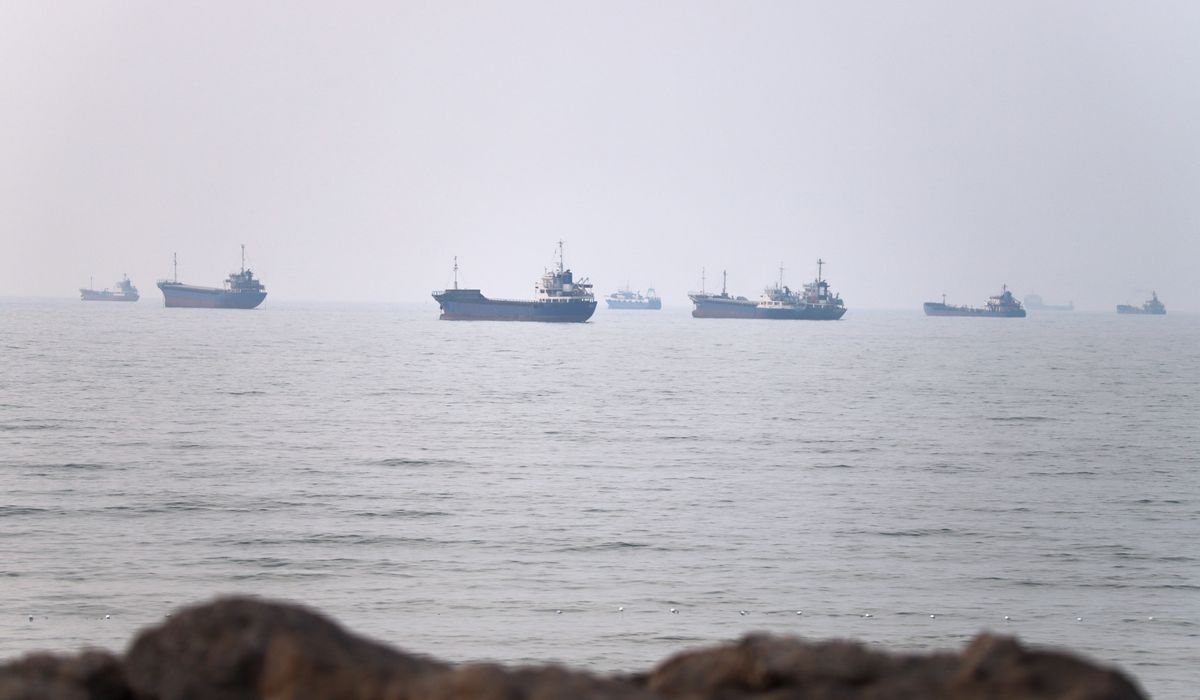
A tanker off the coast of Oman in the Strait of Hormuz caught fire early Tuesday morning after being struck by a projectile, the British military said.
Early reports say a commercial tanker in the Strait of Hormuz caught fire after being hit by a projectile while traveling off the coast of Oman. The incident occurred early Tuesday morning and was reported by the British military. Details remain limited as officials assess damage and the situation at sea.
The Strait of Hormuz is one of the world’s most important shipping lanes, and incidents there immediately raise concerns about commercial and military traffic. Tankers move a significant portion of global oil and gas through that narrow waterway, so any attack or accident sends immediate ripple effects through markets and maritime operations. Shipping companies and insurers watch these events closely for both safety and economic implications.
Authorities responded quickly to the initial alert, dispatching nearby assets to assist and monitor the scene. Rescue teams and naval patrols typically move in to confirm the status of the crew and to contain fires or environmental damage. Coordination between coastal states and international naval forces often becomes critical when incidents threaten lives or cargo.
There is a careful distinction between accidents, such as mechanical failures, and deliberate strikes, which carry different legal and operational consequences. Military and intelligence services will examine debris patterns, damage signatures, and eyewitness testimony to determine what struck the vessel. That investigation process can take days, especially in a busy and contested sea lane where physical evidence may disperse rapidly.
Commercial operators must balance speed and caution after such events, rerouting ships when necessary while maintaining supply chains. Rerouting can cause delays and extra costs, and insurers may reassess coverage and risk premiums for voyages through the area. For crews, the immediate priority is safety and transparent reporting to flag states and vessel owners, followed by salvage and environmental containment decisions.
Officials on the scene and remote military listeners will be tracking communications traffic to build a timeline of the incident. That timeline helps establish whether warnings were given, whether the ship was targeted, and how rapidly the response unfolded. Independent verification from satellite surveillance, ship-borne AIS data, and nearby commercial traffic can help corroborate official statements.
Environmental risk is a central concern whenever a tanker is damaged at sea, especially in choke points with busy maritime traffic. Fires can lead to structural failure or breaches that release fuel or cargo into the water, and containment becomes a race against wind and tides. Local authorities and international bodies typically prepare contingency plans for spill response and cleanup in sensitive waterways.
For the families and crews involved, the human element is immediate and pressing; ensuring their safety and communicating clearly are top priorities for shipowners and authorities. Maritime law provides frameworks for search and rescue, reporting, and liability, but the chaotic first hours after an incident are governed mostly by who can respond fastest. As investigations proceed, regulators and commercial players will reassess risk protocols and attempt to prevent similar incidents in the future.
Regional and global markets may react as information becomes available, with traders watching for signs of sustained disruption or an escalation that could affect shipping insurance and fuel prices. Analysts will parse official statements and independent tracking data to determine the likely economic impacts. Meanwhile, maritime stakeholders will be focused on restoring safe passage through a vital international waterway.

