

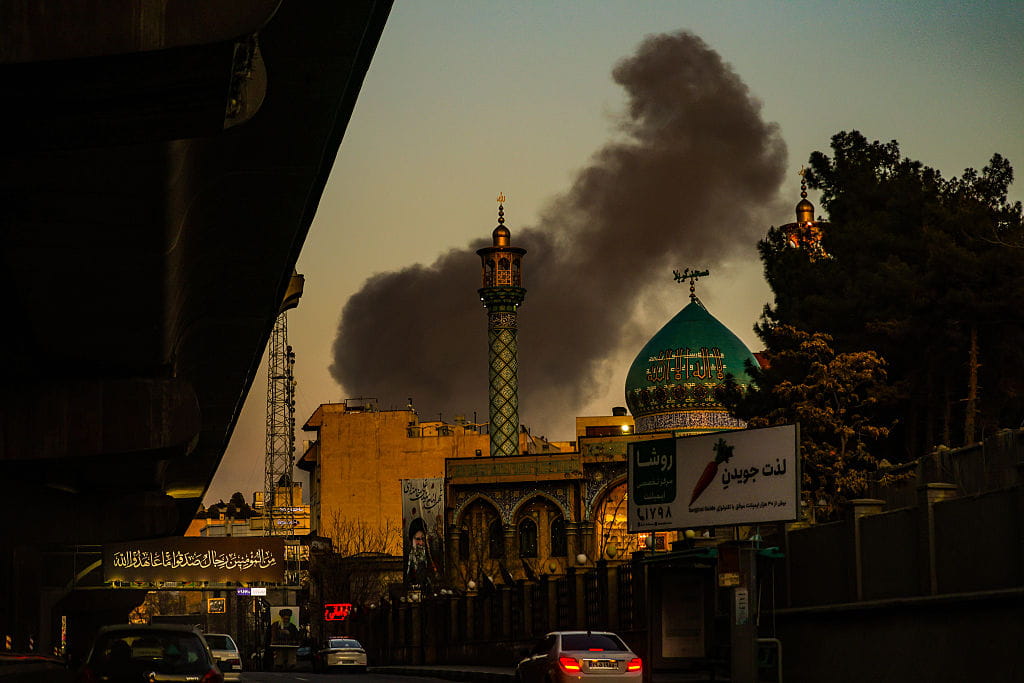
The air campaign above Iran has surged into a vast, high-stakes conflict where US and Israeli air power moves with speed and precision, testing Iranian defenses, regional alliances, and political messaging in real time.
The skies over Iran have become a concentrated theater of modern air warfare, layered with US and Israeli fighters and bombers operating in close coordination. In the first 103 hours of the fight, labeled Operation Epic Fury by the US and Operation Roaring Lion by Israel, these two air forces showed they can project power deep into contested airspace. What began as limited strikes has grown into a sustained campaign that pushes Iranian air defenses and command systems to the limit.
Aircraft from both countries carried out a high tempo of sorties aimed at degrading missile sites, radar arrays, and supply hubs that threaten regional stability. The scale of the operation reflects decades of investment in pilots, sensors, and long-range strike capabilities. Iran’s integrated air defense networks have been stressed by coordinated stand-off attacks and close-in suppression missions that prioritize mission success while trying to limit collateral damage.
This unfolding campaign is not just about bombs and fuel; it is about information and deterrence. US and Israeli forces have made clear they can operate in Iran’s airspace without being decisively checked, signaling a willingness to escalate to achieve strategic aims. That message plays to a conservative view that strength and clarity of purpose prevent larger wars by denying opponents easy gains.
Operationally, the fight has tested logistics and command flexibility, with forward basing, aerial refueling, and real-time intelligence sharing keeping sorties continuous. Modern airpower depends on more than pilots; it needs secure communications, cyber resilience, and the capacity to process targeting data across allied networks. The sustained tempo in those first days exposed weak points as well as strengths in coordination among partner forces.
Iran has responded with a mix of anti-aircraft fire, surface-to-air missile launches, and asymmetric strikes that aim to complicate coalition planning. Those responses are predictable and expensive for Iran to sustain, but they underscore the real risk of incidental escalation. From a Republican perspective, the hard truth is that credible, relentless pressure is the clearest path to imposing costs without a ground occupation.
The political dimension is unavoidable: domestic audiences and regional partners watch every mission, every intercepted radio call, and every fragmented radar track. Messaging from Washington and Jerusalem has to support the military effort while keeping diplomatic options open with allies who fear wider instability. Clarity about objectives and rules of engagement matters more now than ever to avoid mission creep and to keep public support intact.
On the technology side, the campaign showcased long-range strike platforms, stand-off weapons, and sophisticated electronic warfare tools that blunt Iran’s defensive sensors. Those systems are the backbone of a strategy that prefers precision to mass. For conservatives, investing in such capabilities is a priority because it gives political leaders the option to act decisively with managed risk.
Casualty estimates, material losses, and the precise tactical outcomes of many missions remain murky while operations continue and intelligence assessments evolve. Still, the early pattern is clear: sustained airpower coupled with allied coordination can disrupt hostile networks and complicate an adversary’s ability to wage asymmetric war. This fight will test not just hardware but political will, and in the near term it will shape how the region and the world measure American and Israeli resolve.

