

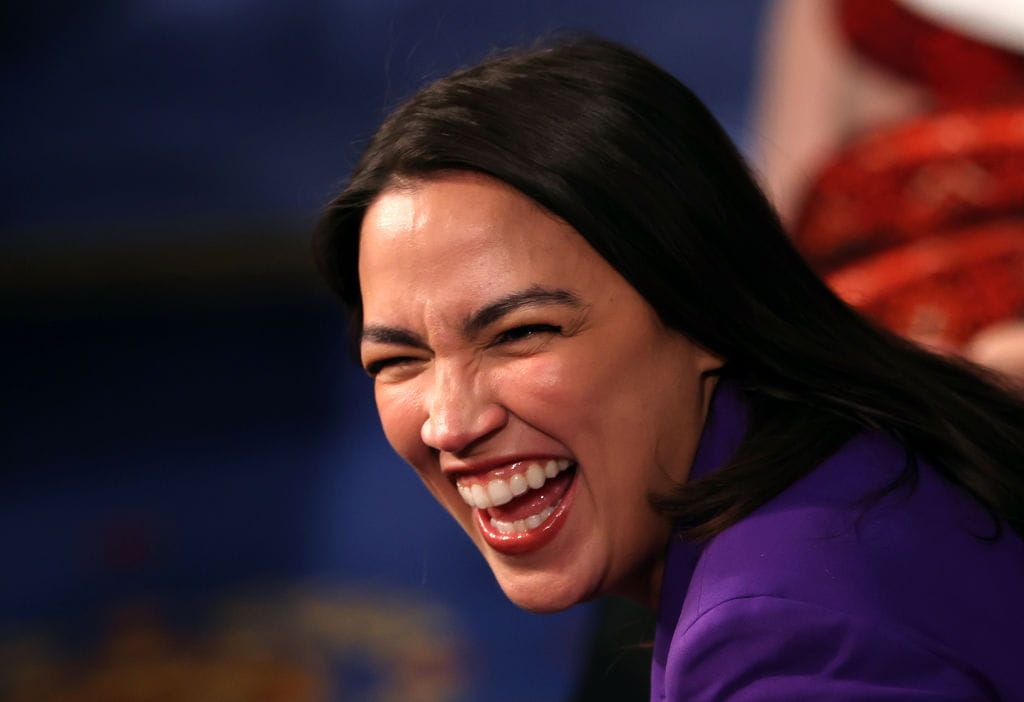
Alexandria Ocasio-Cortez laughed off the excesses of the last few years, calling “Woke 1 was crazyyyy,” yet offered no apology and no clear break from the radical moves that reshaped politics and daily life, while declared socialists push a new, bolder agenda that threatens the center-left and the country.
Her ABC News laugh landed like a shrug, not a mea culpa, and that matters. Saying “Woke 1 was crazyyyy,” then moving on without owning responsibility signals the same impulse: excuse, pivot, repeat.
The left’s evolution isn’t a graceful moderation, it’s a tactical retreat and a rebrand. Old policies like censorship and enforced woke standards may be quieter in tone, but the goals—big-government control, cultural coercion, and radical redistribution—remain on the table under new labels.
Declared socialists are now openly challenging establishment Democrats in primaries and winning in places. Policies shouted from the fringes before—abolish ICE, nationalize health care, gut core institutions—are being promoted by a rising DSA wing that wants real structural change, not small policy tweaks.
Archivists and the internet are unforgiving, and politicians who once cheered chaos can no longer pretend otherwise. Old clips and hot takes resurface exactly as posted, revealing whether a candidate kept a steady hand or raced to the loudest side of a mob.
Kamala Harris’s 2020 rhetoric showed how quickly careless language becomes political ammunition, and the risk goes beyond a single gaffe. If leaders embraced chaos in one crisis, voters should ask how they would act during the next emergency or scandal. The pattern matters more than the apology that never comes.
Francesca Hong’s social media history became a cautionary tale about running from earlier extremism. Her past calls to abolish police and prisons and her line about Thanksgiving that “killed ‘Indigenous folx’” did not vanish when she ran for higher office, and she later described those posts as “hot takes, sometimes bad takes on Twitter, and I let my feelings out into the world.” That honesty came too late to erase the record.
Voters are tired of being lectured and then gaslit when those same activists claim they have learned and moved on. Saying “During lockdown, of course, rhetoric in that time is not rhetoric that we would use today,” does not repair the damage of policy choices that closed businesses, shuttered schools, and tolerated violent unrest in the name of politics.
The mainstream media often framed 2020 as a moral awakening, but for many Americans it felt like coercion. Terms like nonbinary and gender-affirming care moved quickly from niche discussions to mandated workplace protocols and school policies, and millions saw their daily lives reshaped without broad consent.
Those changes left voters angry and skeptical, and that anger is fueling political shifts. The DSA and its allies are not simply the left’s conscience, they are an aggressive movement aiming to displace establishment figures with radical alternatives, and that pressure is reshaping Democratic politics from within.
Some on the left are quietly recalibrating to appear electable while still backing radical outcomes behind the scenes. That tension explains the public-facing moderation of candidates who privately support policies that would consolidate power in Washington and strip citizen choices away.
Exactly how elected officials choose to frame their past matters at the ballot box. The DSA critique of AOC—“Ocasio-Cortez’s recent donation to the Democratic Congressional Campaign Committee (DCCC) while left-wing organizations face financial peril is the biggest red flag we have to date. In addition, her moderate position on Palestine and Israel has isolated herself from the rapidly growing Palestinian liberation movement.”—shows that even left factions distrust her instincts when she looks like a bridge to the center.
Laughing about a chaotic era while the radicals surge past you is not leadership. It is political theater and a reminder that policy overreach has real consequences for freedom, safety, and economic stability. Voters will remember who cheered the chaos and who stood for order when the next test comes.

