

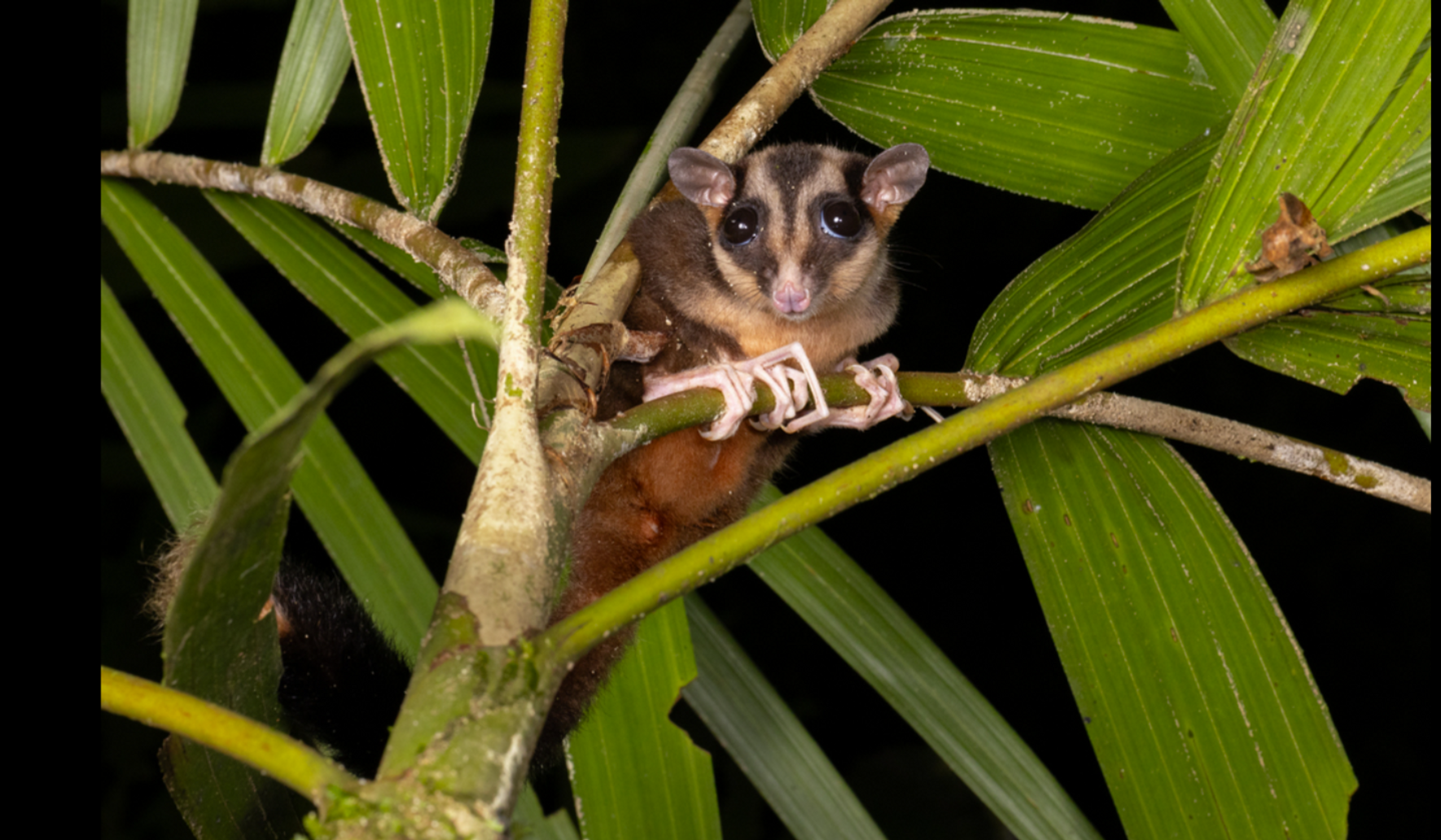
Two species of marsupials previously believed to be extinct were confirmed alive in the Indonesian half of New Guinea by researchers.
Researchers working in the Indonesian half of New Guinea have confirmed that two marsupial species once thought lost to extinction are, in fact, still living. The discovery upends long-standing assumptions about those animals and shines a spotlight on the region’s hidden biodiversity. It also raises immediate questions about how many other species might be hanging on out of sight.
Field teams and local collaborators played key roles in locating these animals, combining on-the-ground knowledge with careful observation. The terrain and remoteness of New Guinea mean wildlife can remain undetected for decades, so persistence and local expertise matter. That reality makes clear that absence of evidence is not always evidence of absence when it comes to species survival in rugged places.
Finding animals thought extinct has practical consequences for conservation planning and funding priorities. A confirmed living population shifts resources from retrospective mourning to active protection, habitat assessment, and monitoring. Conservationists can now move to secure critical areas, study population size and trends, and design measures to reduce immediate risks.
Those risks are real: habitat loss, hunting pressure, invasive species, and climate change all threaten species even when they are rediscovered. The Indonesian half of New Guinea faces development pressures that can accelerate habitat conversion and fragmentation. Rediscovery is a narrow window of opportunity to act before human activities erode the chance of recovery.
Local people are often the unsung heroes in these stories, offering the knowledge and access that researchers need to find rare animals. Their familiarity with seasonal patterns, animal behavior, and landscape details speeds detection and improves the odds of successful studies. Meaningful conservation plans should therefore center local communities, combining traditional knowledge with scientific monitoring and economic incentives.
Scientific follow-up will focus on mapping where these marsupials live, estimating how many remain, and assessing genetic diversity. Those steps are essential to understand whether the populations are viable long-term or precariously small. Without that baseline information, policy-makers and funders cannot design effective protections or judge how urgent interventions must be.
Rediscoveries also offer a communications boost: they capture public attention and can rally support for broader conservation goals across a region. But attention needs to be converted into sustained, practical measures rather than short-lived headlines. Long-term funding, protected area management, and enforcement of regulations will determine whether these species move from being rediscovered to being secure.
Researchers will likely prioritize noninvasive methods—camera traps, acoustic monitoring, and community-based reporting—to minimize disturbance while gathering data. Those approaches are useful in rugged, biodiverse landscapes and help build datasets over time without harming the animals. Combining technological tools with boots-on-the-ground fieldwork creates the best chance of monitoring and protecting small, elusive populations.
There is a wider lesson here about how we assess extinction and biodiversity loss globally. Areas that are poorly surveyed can harbor surprises, meaning conservation strategies must remain flexible and responsive to new information. This discovery in the Indonesian half of New Guinea ought to temper both pessimism and complacency: nature can persist in unexpected ways, but persistence does not guarantee survival without deliberate conservation choices.
The immediate agenda is clear: document the populations, protect their habitats, work with local communities, and secure the resources needed for long-term monitoring. That work is the only way to turn a hopeful headline into a durable recovery for species once written off as gone. The confirmation that these marsupials are still alive gives conservationists and local stewards a chance to act while there is still time.

