

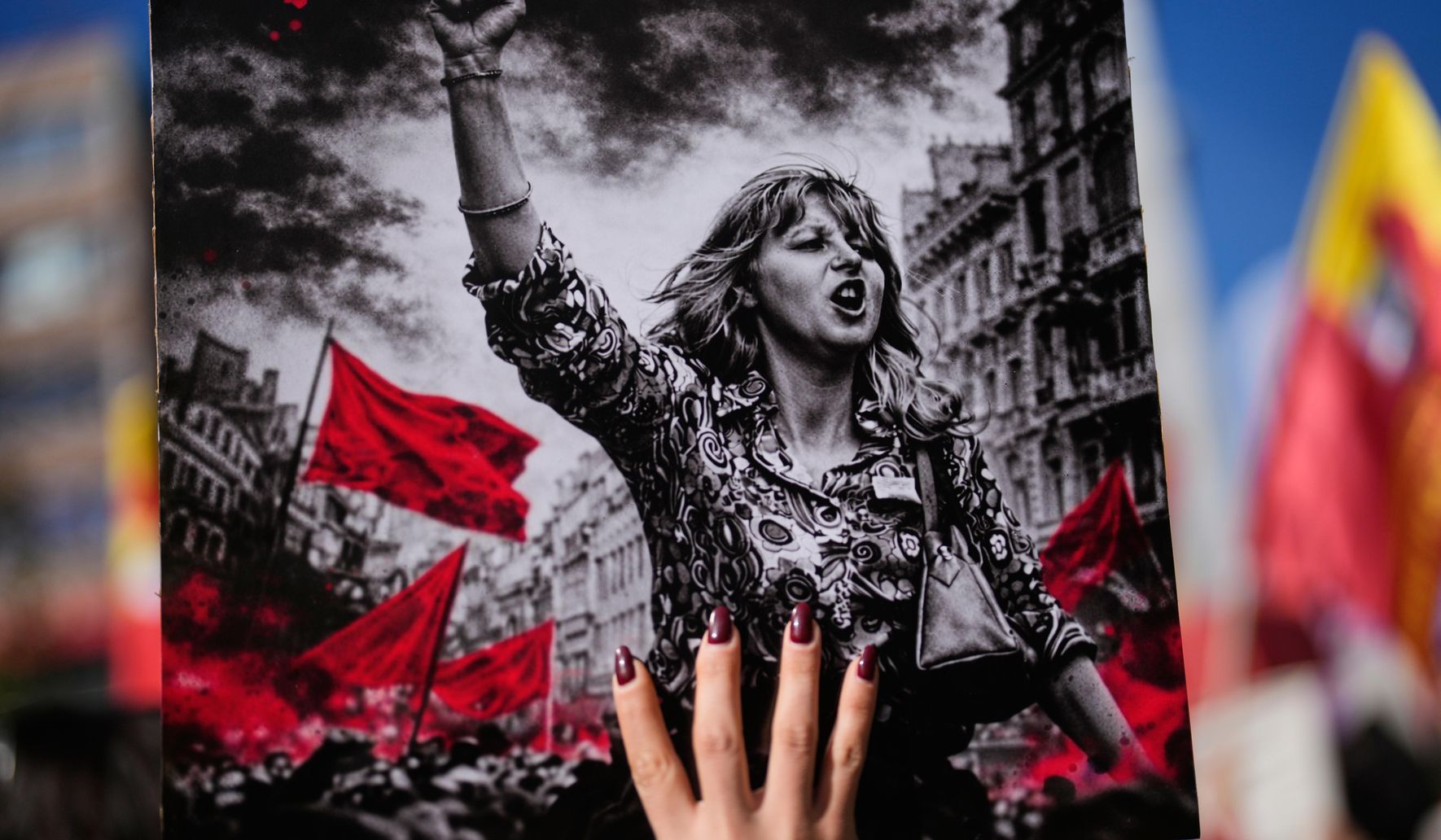
Across cities and communities, marches and gatherings mark another International Women’s Day as people press for better pay, reproductive freedom, access to education, fair treatment in courts and workplaces, and wider representation in leadership.
Voices are gathering in streets, town halls and online forums with a clear set of demands and a steady drumbeat for change. Organizers say the day blends celebration with pressure on institutions to act, keeping attention on gaps that persist despite decades of progress. The tone is resolute: celebrate gains, but push harder where inequality remains.
Women across the world will call for equal pay, reproductive rights, education, justice and decision-making jobs and celebrate progress toward female empowerment during events and demonstrations marki
Local events vary widely in scale and style, from small community meetups to large marches in capital cities, but common themes connect them. Speakers often highlight how policy, employer practices and cultural expectations combine to shape opportunities. Many planners emphasize practical next steps like transparency in hiring, paid family leave and stronger legal protections.
Participation cuts across generations, with students and retirees showing up alongside professionals and activists. Social media amplifies the message, turning neighborhood rallies into international conversations overnight. That digital reach helps organizers coordinate actions and push for accountability from corporations and governments alike.
Groups leading demonstrations intentionally link economic issues with health and legal matters to show how they interact. Advocates point out that pay gaps affect retirement security, health outcomes and the ability to pursue education or training. Framing the issue this way helps broaden support among voters, employers and service providers.
Efforts to boost representation emphasize not just quantity but influence, calling for decision-making jobs where women set agendas and control budgets. Advocates argue that diverse leadership produces policies that work better for wider populations and helps prevent blind spots in public programs. Progress is uneven, and many campaigns focus on removing structural barriers such as biased hiring practices and limited childcare options.
International solidarity remains a key feature; organizers trade tactics, stories and legal strategies across borders to strengthen local campaigns. Where courts or parliaments have moved earlier, activists study those wins and push for similar measures at home. At the same time, opponents of change often frame debates around culture or cost, so campaigners work to show concrete benefits and cost-effective solutions.
Funding and sustainability are frequent topics in planning meetings, with calls for better resourcing of community organizations that support women long after the march ends. Volunteers, small nonprofits and mutual aid networks play crucial roles in keeping services running and making sure that policy wins reach people in need. A long-term view helps keep movements focused on durable improvements rather than one-day visibility.
Reporting from events highlights both celebratory moments and contentious confrontations, reflecting a mix of optimism and impatience. Organizers frequently describe the day as a checkpoint rather than a finish line, a chance to take stock, sharpen demands and build coalitions for the year ahead. For participants, it is a reminder that progress has been made and that steady effort is still required to turn promises into practice.

