

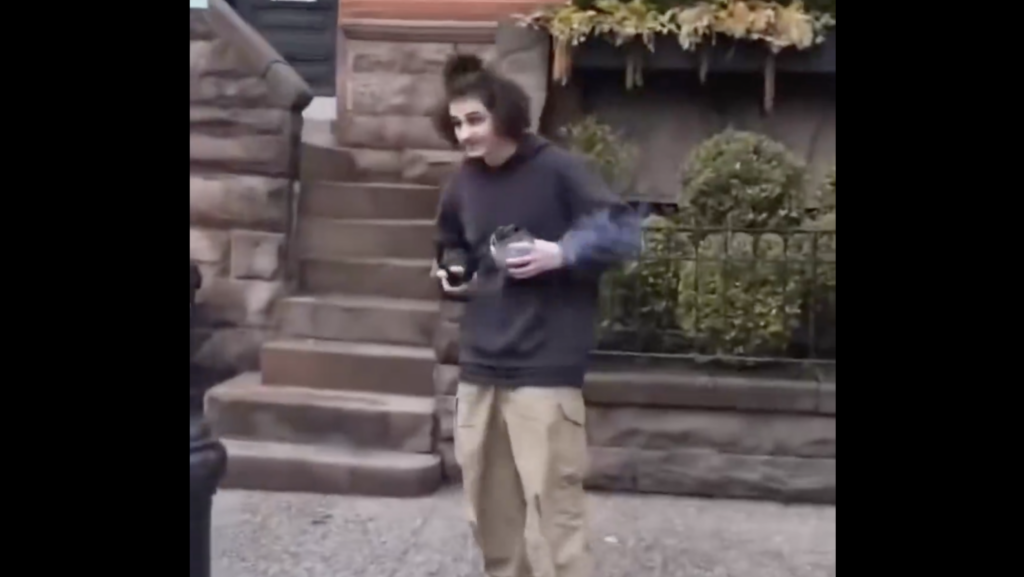
A concise summary: A report says a Muslim man allegedly hurled homemade bombs into a crowd of protesters near Gracie Mansion during a rally tied to Jake Lang, and mainstream outlets reportedly downplayed or mischaracterized that violence.
A Muslim man allegedly threw homemade bombs into a crowd of protesters on Saturday in New York City. But you wouldn’t necessarily glean that from the dishonest coverage provided by the propaganda press. Protesters gathered near Gracie Mansion — the official residence of New York City Mayor Zohran Mamdani — as part of Jake Lang’s demonstration, and what happened there raises basic questions about public safety and how the story was told.
Whatever else you think about the causes behind the protest, the idea that an explosive device was thrown into a crowd demands a clear, straightforward response from law enforcement and honest reporting. Officials need to describe the facts, detail any charges, and explain what steps are being taken to protect people in the area. Vague, dismissive coverage helps no one; it leaves residents unsure and encourages chaos to be framed as acceptable dissent.
When media outlets trim the edges of a story to fit a preferred narrative, they do more than shape opinion. They obscure responsibility and blur the line between peaceful protest and criminal activity. The community near Gracie Mansion deserves to know whether this was an isolated attack, who is being held accountable, and how city leadership plans to prevent similar incidents.
Mayor Zohran Mamdani holds a public office responsible for the safety of his constituents and the security of his residence. Details about the response from city agencies, any arrests made, and the evidence collected should be presented plainly. Citizens do not need spin; they need the truth so they can make informed judgments about the safety of their neighborhoods and the competence of those in charge.
Coverage that focuses mainly on optics or frames the event in a way that minimizes the violent act undermines legitimate debate over protest tactics and public order. Even supporters of protest causes should reject assaults on crowds and the use of improvised explosive devices. Pretending such acts are insignificant corrodes the rule of law and sets a dangerous precedent.
It’s also worth noting how identity labels are applied in reporting. The original report identified the suspect as “a Muslim man,” and that fact was included in early accounts of the incident. While some outlets avoid mentioning religion or background to prevent stereotyping, others highlight it selectively, and that inconsistency feeds suspicion and mistrust. The focus should remain on the criminal action and the evidence, not on using identity to score political points.
Local residents and anyone attending public demonstrations have a right to expect clear, consistent facts from both officials and the press. When reporting becomes an exercise in image control, the public’s ability to respond and stay safe is compromised. Transparency about arrests, charges, and the exact nature of the devices allegedly used is essential to restoring confidence.
Ultimately, the event at Gracie Mansion calls for sober reporting and firm public safety measures rather than partisan shielding or excessive spin. Journalists should report the incident without offense-dodging language that softens the violence. City leaders should answer direct questions about security protocols and enforcement so citizens can judge results rather than rhetoric.
The stakes are simple: communities want to support peaceful assembly while rejecting violent acts that endanger people. When those lines are crossed, accountability must follow and coverage should reflect the facts plainly. The residents of New York deserve both honest journalism and competent public safety, and neither should be sacrificed for political convenience.

