

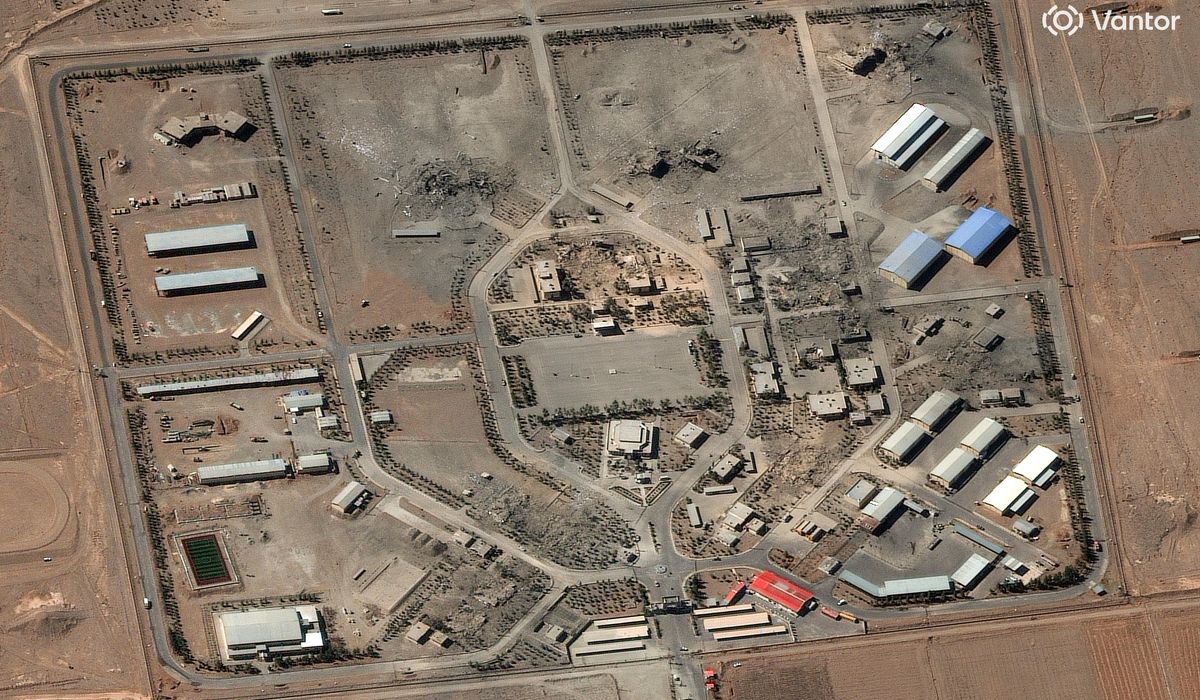
During the opening days of Operation Epic Fury, U.S. and Israeli airstrikes reportedly targeted the entrances of Iran’s top uranium enrichment sites, where the country’s stockpiles were buried, and the strikes have set a new tone for how partners are willing to confront Tehran’s nuclear ambitions.
Operation Epic Fury opened with coordinated strikes that, according to reports, focused on access points to Iran’s most sensitive enrichment facilities. The apparent aim was to deny easy movement and protection for stored material rather than to wreck entire complexes. From a Republican viewpoint, hitting access points is smart, limited pressure that complicates Iran’s ability to conceal or quickly move fissile material.
Coordination between U.S. and Israeli forces is the centerpiece of this story and it matters for deterrence. When partners operate in lockstep they send a clear message that Tehran’s actions will meet force and precision. Republicans view that unity as essential to avoid miscalculation and to make any future diplomatic options more credible from a position of strength.
These strikes signal a shift toward tactical targeting designed to disrupt nuclear pathways without crossing into full-scale destruction. That kind of calibrated action reduces the chance of immediate, irreversible escalation while achieving a strategic objective. Republicans prefer measured, decisive steps that impose costs on bad actors while preserving options to escalate if needed.
Intelligence apparently played a major role in selecting entrances and containment points as targets, not civilian areas. That suggests commanders wanted to constrain Iran’s ability to hide or distribute stockpiles under the guise of routine facility operations. The Republican view holds that precise intelligence-driven strikes are far preferable to indefinite sanctions or long, costly military campaigns that fail to change behavior.
Political leaders will debate the legal and strategic framework for these actions, and Republicans will stress Congress’s role in oversight and in authorizing continued support for allied operations. There is a consistent argument that elected officials must be fully briefed and on board when military force is used. That safeguard keeps civilian leadership accountable while ensuring the military has the backing it needs to act swiftly.
Domestically, the strikes will be framed as protecting American allies and national security interests, not as adventurism. Republicans are likely to underscore that the goal is to prevent Iran from obtaining a weaponized capability that threatens the region and global commerce. Keeping the response proportional keeps domestic support steadier and avoids voting to fund open-ended engagements without clear objectives.
On the regional front, Israel’s involvement underscores the existential stakes for our partners and the value of shared intelligence and logistics. That partnership strengthens deterrence in a neighborhood where bad actors watch for weakness. Republicans often argue that credible, visible support for allies is the best way to keep conflict limited and predictable.
There are risks and trade-offs. Any strike risks retaliation, and Iran can respond indirectly through proxies or cyberattacks. Republicans will point to the need for clear, rapid contingency plans and bolstered defenses for American forces and regional partners. The strategy must include diplomatic, economic, and military layers so Tehran understands that isolated attacks will only widen the cost they already face.
This approach reframes the bargaining table. If Iran believes it can store material in hardened facilities without consequence, diplomatic efforts lose leverage. Targeted operational pressure like this forces Tehran to reckon with immediate operational headaches and greater political costs at home. Republicans see that as a healthier posture than passive negotiation from a position perceived as weak.
Finally, sustaining pressure after kinetic actions matters as much as the initial strike. Sanctions enforcement, intelligence sharing, and readiness to strike again if needed form the follow-through Republicans favor. That combination preserves deterrence, limits unintended escalation, and keeps the strategic initiative in the hands of the United States and its allies.

