

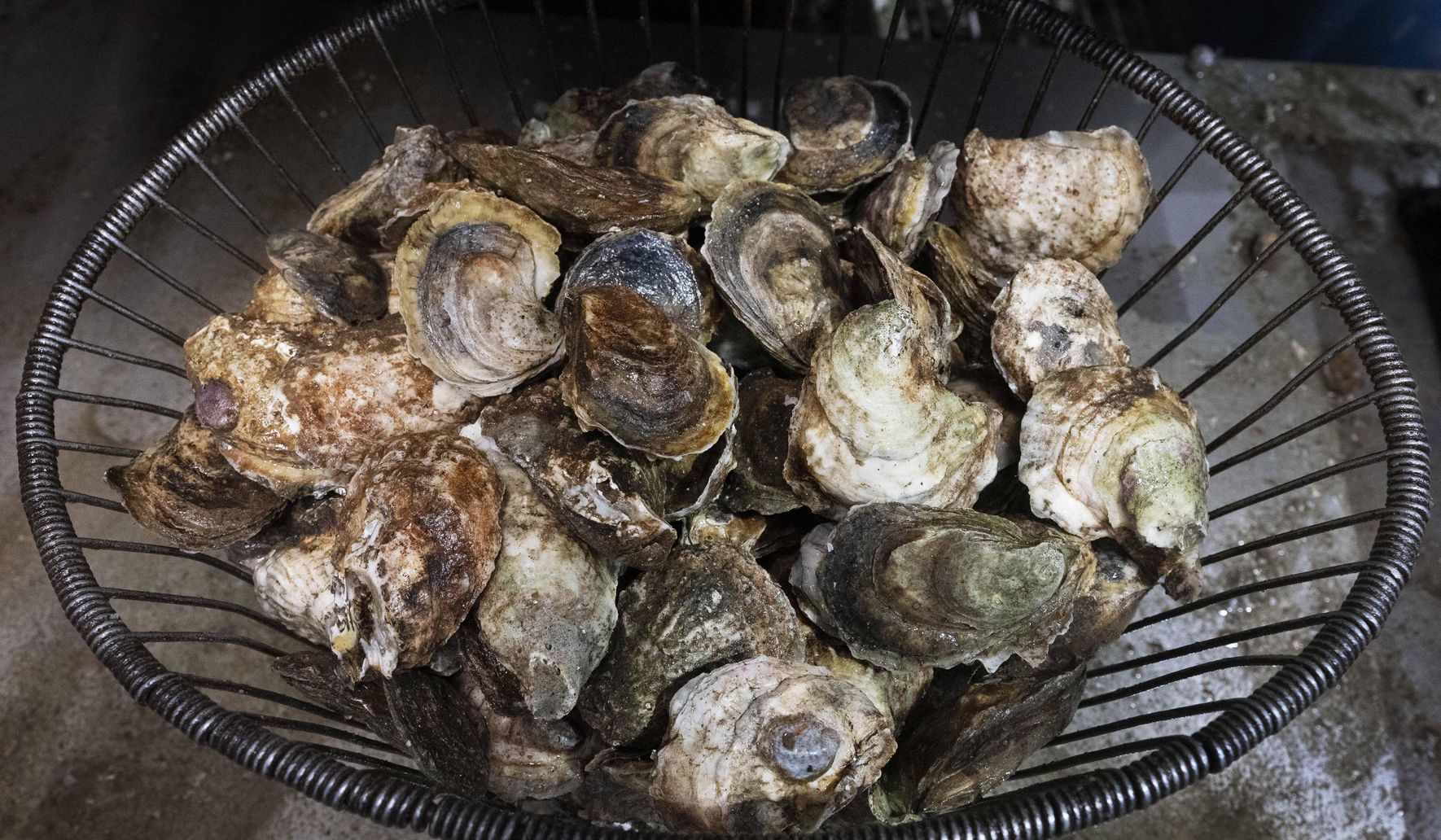
Health officials in Washington state and federal regulators are warning consumers to avoid certain raw oysters tied to a norovirus outbreak that has sickened people in Washington and prompted recalls.
State and federal health authorities have issued warnings after a cluster of norovirus illnesses was linked to consumption of raw oysters. Officials say the implicated oysters are associated with recent recalls and should not be eaten raw. The advisory aims to prevent further infections while investigations continue. Retailers and restaurants have been urged to remove suspect products from sale immediately.
Norovirus spreads easily and often turns up in shellfish harvested from affected waters, since oysters can concentrate viruses present in their environment. Typical symptoms include nausea, vomiting, diarrhea, stomach cramps, and sometimes fever, which usually start within a day or two after exposure. The illness is uncomfortable and highly contagious, but most healthy adults recover in a few days with rest and fluids. Vulnerable people, including the very young, elderly, and those with weakened immune systems, face higher risks of complications.
Consumers are being asked to check any oyster purchases and avoid eating raw oysters until they can confirm the product is not part of the recall. If you have oysters in your refrigerator or freezer and you are unsure about their origin or recall status, do not eat them raw and consider disposing of them safely. Restaurants and suppliers should isolate and discard any affected inventory rather than attempting to rework or redistribute it. Proper labeling and lot information on packaging can help identify recalled batches quickly.
Cooking oysters thoroughly reduces the risk of norovirus because heat inactivates the virus, so those who choose to eat shellfish should ensure it reaches a safe internal temperature. The general guidance for seafood is to cook to an internal temperature of 145°F until opaque and firm, though commercial operations follow stricter procedures. Boiling, baking, or steaming until fully cooked will lower transmission risk compared with raw or undercooked preparations. Still, cooking is not an immediate fix for contaminated supply chains, which is why recalls and investigations matter.
Public health agencies are working with industry partners to trace the oysters back to their harvest areas and distribution points, aiming to identify where contamination occurred. Investigators typically review harvest records, processing steps, and shipping logs to narrow down the problem. Those tracebacks can take time, but they are crucial for stopping further shipments and protecting consumers. Meanwhile, regulators can issue targeted harvest closures or additional recalls if new information emerges.
Restaurants and foodservice operations are expected to follow recall notices, remove implicated products, and report compliance to health authorities when required. Employee health policies are also important because sick food workers can spread norovirus in a kitchen or dining room. Establishments should reinforce handwashing, surface sanitation, and exclusion of symptomatic staff until they are cleared to return. Clear communication with customers about menu changes and safety steps helps limit confusion and builds trust.
If you think you or a family member has norovirus after eating oysters, focus on staying hydrated and replacing electrolytes, since fluid loss from vomiting and diarrhea is the main concern. Over-the-counter remedies can ease symptoms, but medical attention is recommended for severe dehydration, prolonged vomiting, bloody stools, or high fever. Health providers may advise supportive care and monitor vulnerable patients more closely. Reporting suspected foodborne illness to local health departments helps public health teams detect and control outbreaks.
Recalls are a routine but important public health tool that remove suspect items from the market and reduce the chance of more people getting sick. They do not always mean a widespread failure, but they do signal a problem that needs sorting out, so consumers and businesses should take them seriously. Proper recordkeeping and rapid cooperation between producers, distributors, and regulators make these responses more effective. In the meantime, avoiding raw oysters from uncertain sources is the simplest precaution.
Authorities plan to update guidance as investigations progress and new information becomes available, and they continue to monitor reported illnesses. Staying informed through official channels and following posted recall instructions will help consumers act quickly and safely. If you work with shellfish, tighten controls on handling and hygiene now to reduce the chance of contributing to an outbreak. Taking these steps keeps customers safer and helps restore confidence in the supply chain.

