

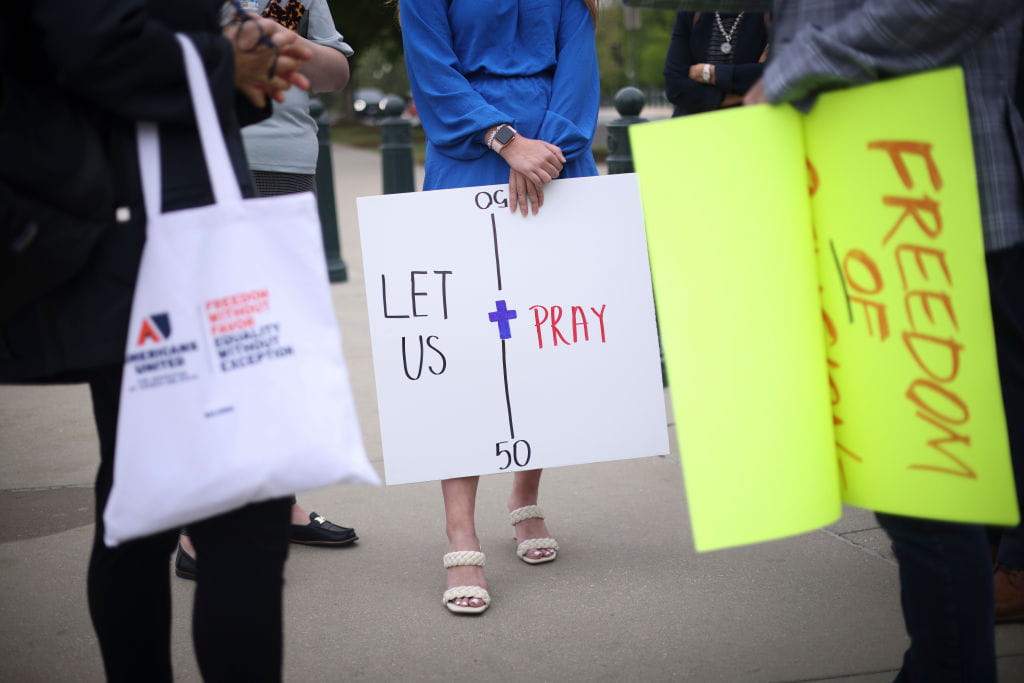
Schools are the frontline where free speech, religious liberty, and cultural priorities collide, and debates over curricula, DEI, and classroom instruction are forcing parents, teachers, and policymakers to pick sides.
Classroom content has become a political battleground, with many parents and communities pushing back against what they see as ideological instruction disguised as education. Republican-leaning voices argue that schools should teach core skills, not social engineering, and that students’ religious beliefs deserve equal protection. This tension shows up in fights over critical race theory, Diversity, Equity, and Inclusion programs, and curriculum choices related to marriage and family.
Free speech in schools gets complicated when administrators try to balance pluralism with inclusion mandates that often favor certain viewpoints. From a conservative perspective, mandating DEI training or framing history and society through CRT can edge into coerced orthodoxy. That creates an environment where some students and families feel their faith and values are marginalized rather than respected.
Religious liberty in the classroom is not just abstract—it affects real kids whose families want faith-based perspectives honored alongside other viewpoints. Republican advocates argue that parents should have a meaningful say in what their children are taught and that state power should not override family conscience. This is especially sensitive when schools present topics like marriage and sexuality without offering alternatives that align with religious teachings.
Curriculum decisions about sex education, marriage, and family structure often spark the fiercest disputes, because they touch on moral and religious convictions. Debates about whether and how to teach same sex marriage illustrate the broader clash: parents ask, “When is it okay to teach same sex marriage to […]” and expect clear answers about age-appropriateness and parental notification. Conservatives stress that medical or moral topics require parental involvement and opt-out protections, not unilateral decisions by school districts.
Critical race theory and its offshoots entered classrooms as academic frameworks, but critics say they are being applied as ideological litmus tests. Republican commentators warn that teaching students to view every social interaction primarily through race and power dynamics risks fostering division and guilt rather than unity and merit. They prefer curricula that emphasize individual responsibility, shared civic values, and a balanced view of history that includes America’s achievements alongside its mistakes.
Diversity, Equity, and Inclusion programs, as implemented in some districts, often prioritize identity categories and group outcomes over individual rights and academic standards. From a conservative standpoint, this can amount to lower expectations and the politicization of hiring and classroom practices. Parents worried about academic rigor and fairness favor policies that focus on excellence and equal treatment under the law rather than quotas or mandatory trainings that police thought and speech.
Free speech protections for students and staff are central to this dispute, yet schools sometimes restrict expression to avoid controversy. Republicans tend to argue that such restrictions are applied asymmetrically, shielding some views while disciplining others, and that a healthy school environment requires robust protections for diverse viewpoints. Ensuring students can engage in reasoned debate without fear of punishment supports both learning and civic resilience.
Legal questions loom large: courts are being asked to define the proper balance between anti-discrimination goals and constitutional liberties like religious freedom and free speech. Republican legal advocates frequently call for explicit safeguards that protect parental rights and faith-based expression in public education. They also urge transparency in curriculum decisions, so families can see what their children are being taught and the governing principles behind those choices.
At the heart of the matter is trust—do parents trust school leaders to teach without imposing ideology, and do communities trust public institutions to respect religious convictions? Republicans argue that restoring that trust means returning control to parents, prioritizing academic basics, and protecting free expression for all students, regardless of belief. Without those steps, the schoolhouse risks becoming a place where civic cohesion frays instead of where young people learn to navigate a plural society.

