

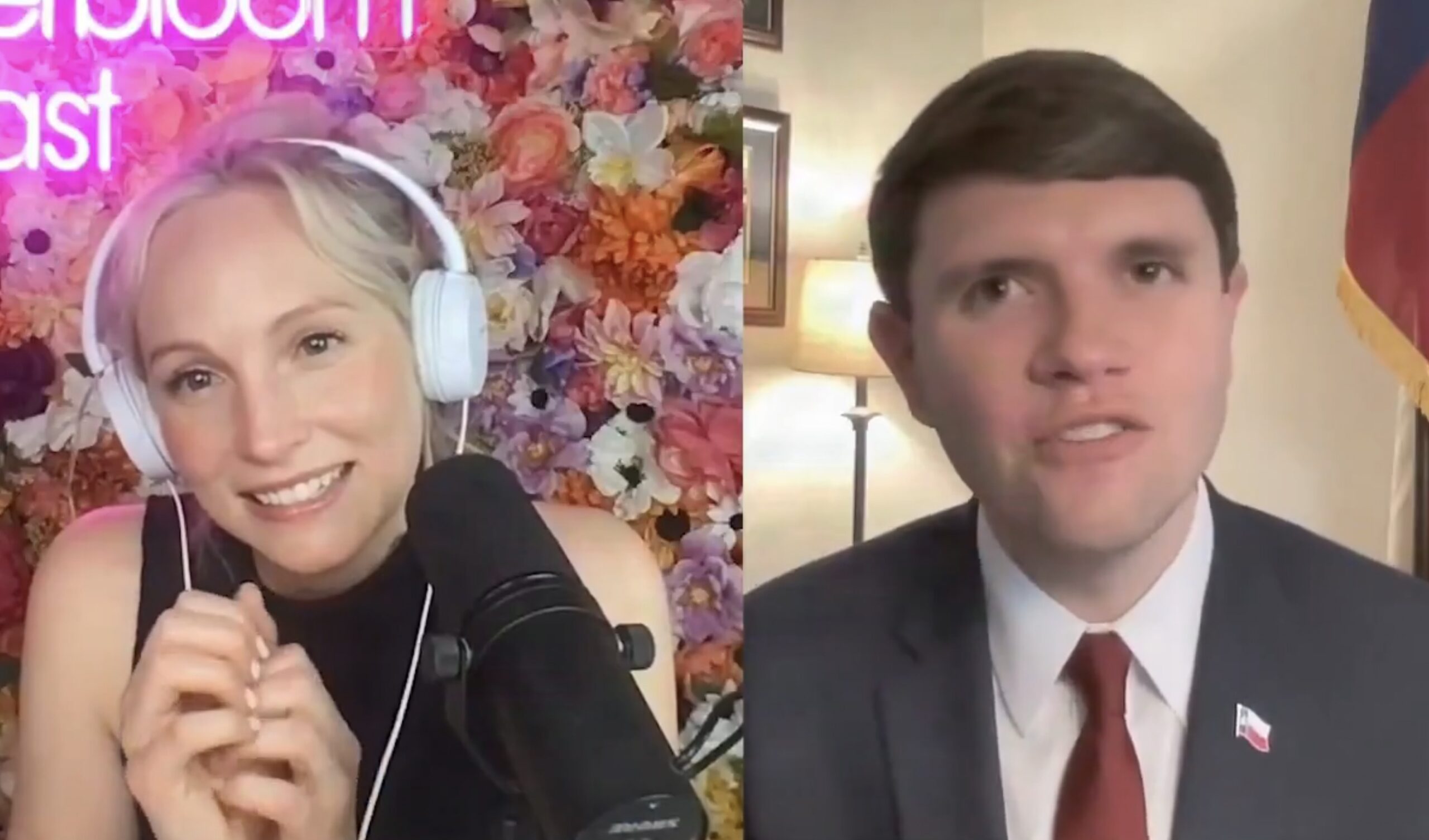
Unmarried voters skew Democratic, and the share of adults who remain unmarried has been rising, a shift with real consequences for political strategy and policy debate.
Voter behavior is changing as family patterns change, and that matters at the ballot box as much as it does in the classroom and workplace. The Republican response should be practical and straightforward: understand the shift, adapt messaging, and propose policies that strengthen families without lecturing. If the party wants to broaden its appeal, it must reckon honestly with why more people are choosing not to marry and what that means for civic life.
At the center of this conversation is a stark fact captured in the reporting:
Unmarried people are significantly more likely to vote for Democrats, and people are becoming significantly more likely to stay unmarried.
That sentence is short but it points to two linked trends: a political gap between married and unmarried voters, and a demographic trend away from marriage. Both trends reshape the electorate and reduce some of the natural advantages conservatives traditionally counted on. Recognizing the size and durability of these changes is the first step toward a credible response.
For the Republican viewpoint, the issue is less about assigning blame and more about offering alternatives that resonate. Instead of framing marriage as a moral test, successful messaging should emphasize stability, opportunity, and tangible policy choices that make family life easier. That pragmatic tone hits better with people who prioritize work, childcare, and housing when they decide whether to tie the knot.
Policy levers matter. Tax rules, childcare availability, workplace flexibility, and housing affordability all influence whether couples form long-term partnerships. Republicans can advocate reforms that lower costs and increase options for young adults without abandoning core principles about personal responsibility and limited government. Practical solutions are a persuasive contrast to abstract cultural arguments.
Cultural factors play a role too. Social norms around marriage and cohabitation have shifted, and many young adults delay marriage for education or career reasons. The party’s cultural message should respect individual choices while still highlighting the practical benefits of committed family structures. A tone of respect beats moralizing every time when trying to win over independent and unmarried voters.
Political coalitions evolve, and the GOP should not treat the unmarried vote as a lost cause. Targeted outreach that addresses everyday concerns can chip away at the partisan tilt. Presenting clear policies that lower barriers to stable relationships gives voters a reason to reconsider long-held partisan habits.
Electoral strategy should be data-driven and localized. National narratives matter, but the decisions that drive marriage and voting are often local: schools, zoning, childcare centers, and job markets. Republicans who want to broaden their base should prioritize local reforms that demonstrably improve family life, then build a persuasive national case around those successes.
At the same time, messaging must be honest about trade-offs. Some policies that encourage marriage can conflict with strict budgetary discipline, and some cultural initiatives will take years to show results. A credible conservative approach acknowledges those limits while committing to steady, measurable progress that respects taxpayers and personal freedom.
Finally, the party should invest in narratives that connect policy to real lives. Stories of people who found greater economic security and personal fulfillment after access to better childcare, flexible schedules, or affordable housing cut through partisan noise. Those narratives help turn demographic trends from disadvantages into an opening for practical conservative solutions.
Demographics are not destiny, but they shape the context in which parties operate. A clear-eyed, solutions-oriented Republican response that preserves core values while addressing the economic and cultural reasons people delay or avoid marriage will be more effective than nostalgia. Politics adapts; policy should too.

