

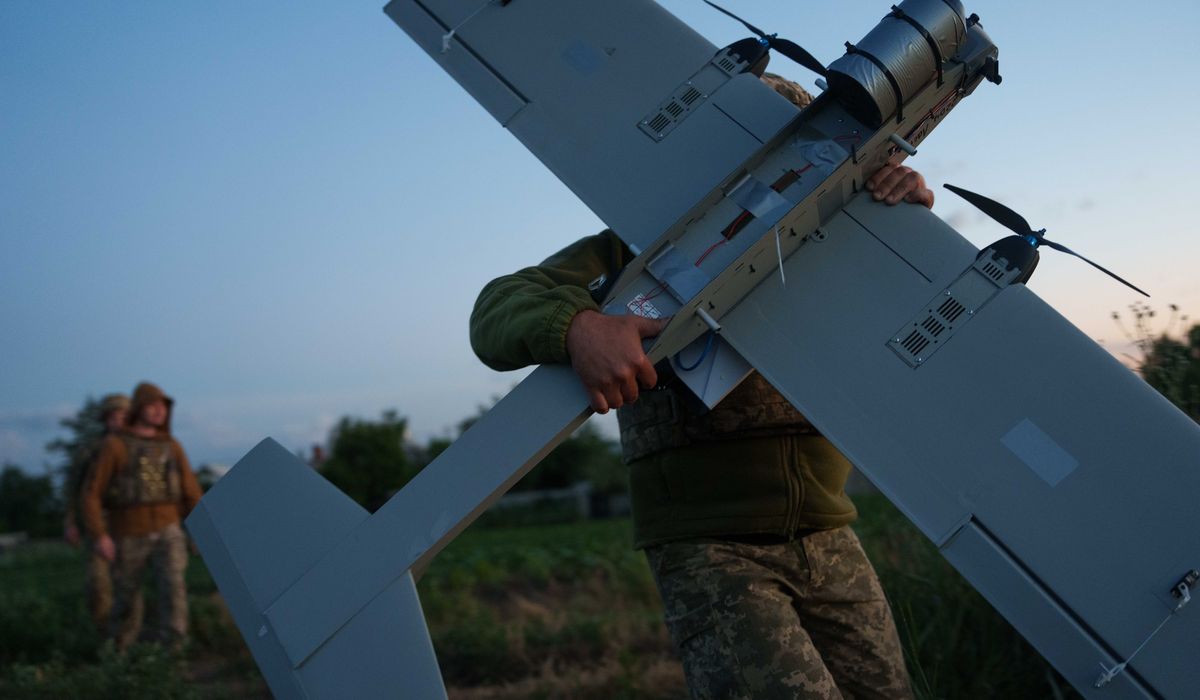
Ukraine still depends on Western aid for air defense systems and ammunition, yet its defense firms are gaining attention as capable partners for European industry and investors.
Ukraine’s military remains heavily reliant on Western-supplied air defense and ammunition to hold the line, and that dependence is visible in every operational brief. At the same time, Ukrainian defense companies are proving their worth by producing drones, artillery components, and repair services that European firms find increasingly useful. This creates a practical opening for cooperation that mixes aid with industrial partnerships.
European defense firms are eyeing Ukrainian factories and engineers because they bring battlefield-tested experience and high technical skill at a competitive cost. Those capabilities include munition production, UAV design, and maintenance of armored vehicles and electronics. The question is how to convert tactical success into strategic industrial ties without creating vulnerabilities.
Interoperability matters more than ever; European partners want systems and parts that can work with NATO hardware and logistics. That means standardizing procedures, certifications, and supply chains so Ukrainian output can plug into larger programs. Investors will expect predictable rules, transparent contracts, and clear export controls before committing capital.
From a Republican perspective, any partnership should strengthen NATO and defend shared interests while expecting partners to shoulder responsibility. Support should not become a blank check or a vehicle for unchecked corruption. Instead, assistance ought to be tied to reforms, audits, and measurable outcomes that protect taxpayers and strengthen deterrence.
Ukraine’s industrial base survived shocks by converting civilian plants into defense production lines during wartime, showing real flexibility and innovation. Skilled engineers and technicians kept systems running and iterated new weapons under fire, giving Ukraine an edge in rapid prototyping and field-driven design. European firms can leverage that know-how to accelerate their own programs while expanding production capacity.
But there are risks that come with deepening industrial ties, including security of sensitive technologies and the danger of supply chain exposure. Western governments need to set clear limits on what technologies are shared and insist on safeguards for intellectual property. Robust vetting and secure logistics are non-negotiable if cooperation is to be sustainable.
Investment will follow if the legal environment supports it, which means faster export approvals, guarantees against expropriation, and a streamlined regulatory framework. Europe should offer contract frameworks and co-financing models that reward performance and encourage transfer of know-how. That kind of structure reduces risk and makes long-term industrial partnerships realistic.
Training and workforce development are equally important because machines alone do not win wars or build resilient industries. Joint programs for apprenticeships and technical education will turn wartime technicians into peacetime engineers who can support a modern defense ecosystem. This human capital is a strategic asset that both Ukraine and its European partners can strengthen together.
Logistics and maintenance capability often determine how long a system stays operational on the battlefield, and Ukrainian firms have developed strong repair and overhaul services under pressure. European militaries should factor in life-cycle support and local maintenance hubs when planning acquisitions or cooperation projects. Building regional maintenance networks creates jobs and boosts readiness across allied forces.
Finally, partnerships should be structured so they increase Ukraine’s sovereignty and long-term resilience rather than creating new dependencies. That means clear timelines for technology transfer, robust anti-corruption safeguards, and alignment with NATO standards. If done right, industrial cooperation can turn battlefield experience into a durable contribution to European security without compromising accountability or strategic priorities.

