

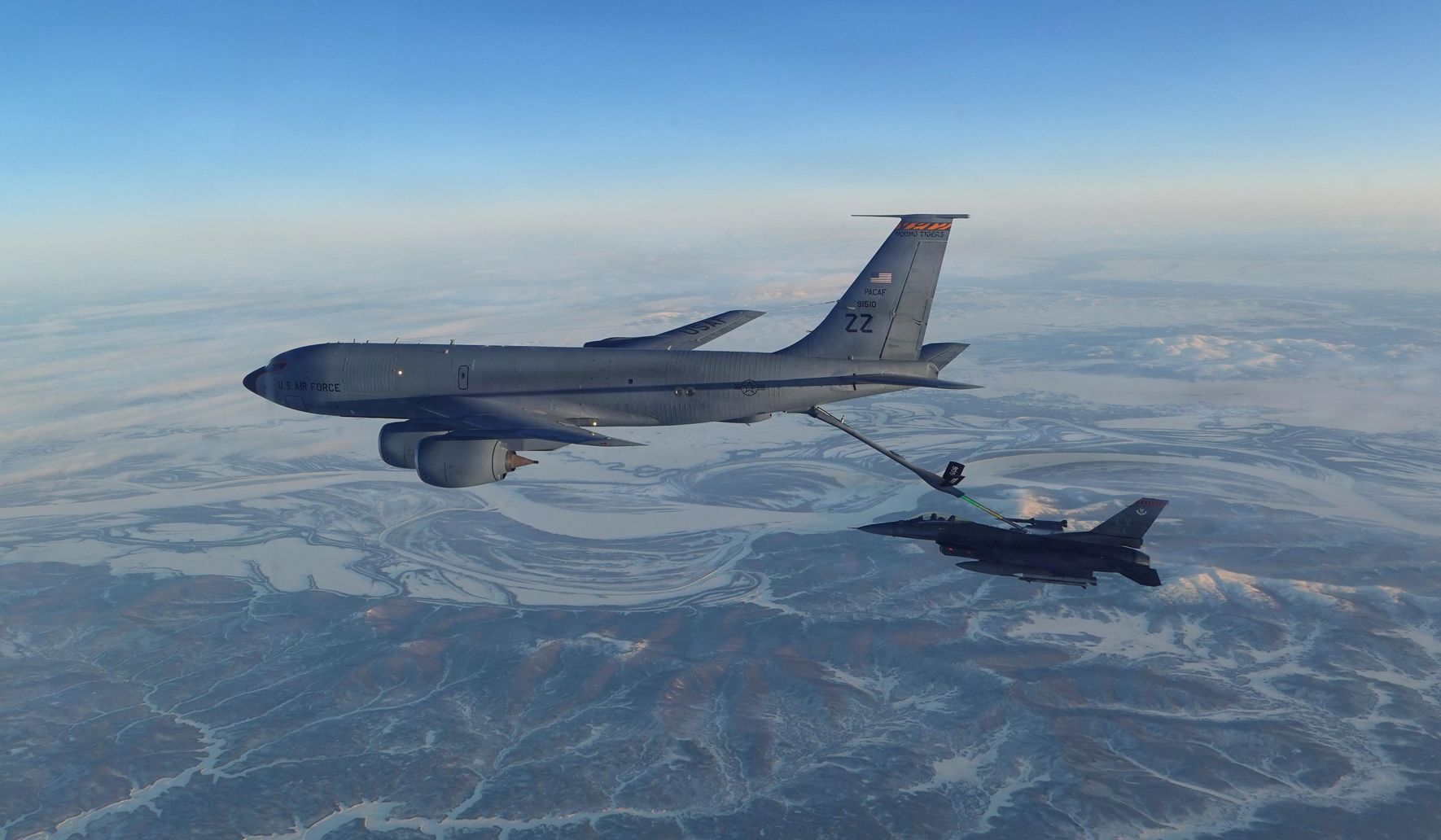
The U.S. military says a KC-135 refueling aircraft supporting operations against Iran crashed in western Iraq, killing four of its six crew members. This tragic event demands clear answers about how we protect the people who keep our forces in the air and how we run risky missions near hostile territory.
The KC-135 is a workhorse that keeps missions moving by refueling fighters and surveillance planes far from home, and losses like this cut deep into operational capacity and morale. Flying tanker sorties over tense regions is dangerous, and the risk equation changes when the mission is close to an adversary like Iran. Commanders and policymakers need to account for both the strategic value of sustained air presence and the human cost of maintaining it.
Initial accounts from military officials confirm the basic facts, and those facts cannot be softened: four of the six crew members died in the crash. Families of the fallen will rightly expect swift, candid information about what happened and why, and that means the Pentagon must avoid spin and deliver the full picture. Transparency matters not for optics but for trust and for preventing future tragedies.
Investigators will look at weather, maintenance logs, crew rest and mission planning, and every element deserves rigorous scrutiny so lessons turn into action. If equipment failure played a role then accountability should follow for lapses in maintenance and supply, while if hostile action was involved the response has to be clear-eyed and proportionate. Either way the focus must be on preventing repeats through fixes to training, logistics and oversight.
On the strategic side this crash raises questions about how we posture assets near Iran and how we protect support aircraft that by design must operate within reach of threats. Tankers and other support platforms are vulnerable because they spend long hours on predictable tracks, and adversaries can exploit that predictability if we let it stand. We should examine operational patterns and defensive measures so we keep refueling capabilities intact without exposing crews to unnecessary peril.
There is also a broader readiness angle that Republicans emphasize: equipment age, maintenance budgets and supply chain reliability all affect outcomes in the air and on the ground. Years of deferred upgrades or insufficient spare parts show up during crises when platforms are pressed into tough missions, and the solutions are straightforward — fund readiness, insist on accountability, and modernize where needed. That is not just about numbers on a ledger, it is about ensuring the men and women who serve have safe, reliable gear.
The human toll deserves plain recognition without platitudes. These service members had names, families, and futures, and our politics should not get in the way of honoring their sacrifice while demanding a full accounting. Lawmakers and commanders should coordinate so families receive support quickly, while investigators move at the speed of truth rather than bureaucracy.
Moving forward, the priority has to be correcting any lapses found by investigators and adjusting procedures so tanker missions remain reliable and sustainable under pressure. Lessons must be turned into action on maintenance, training, and mission design so that refueling flights can keep projecting American power without repeating this cost. The nation expects results and the armed forces owe those results to the fallen, the survivors and the crews still flying in harm’s way.

