

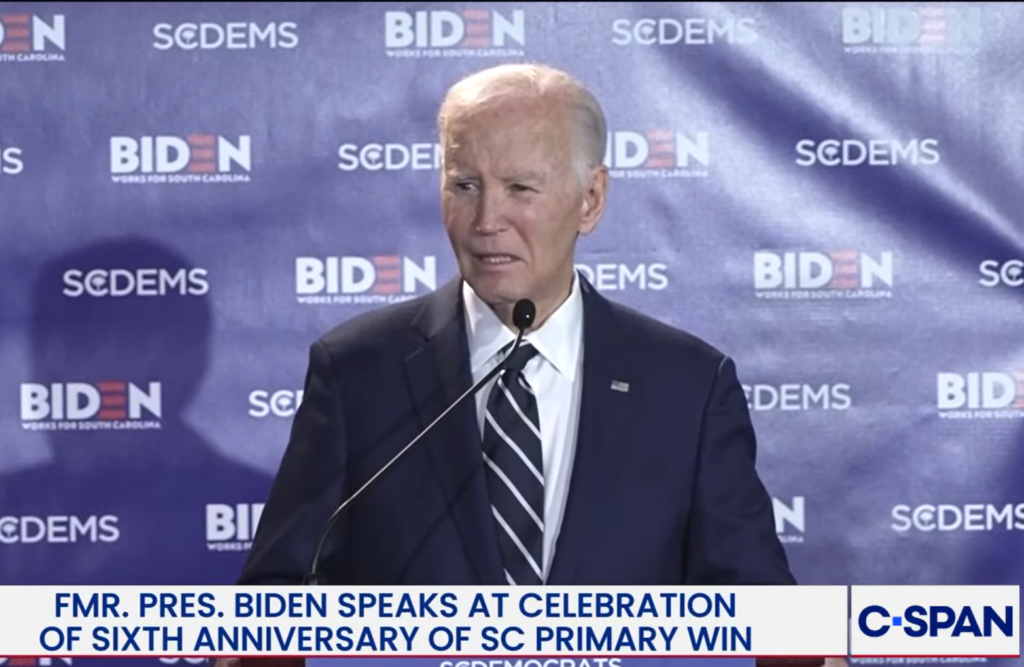
The scandal has shifted from questions about the Biden family to serious allegations that FBI agents and DOJ employees actively worked to obstruct the inquiry into the former president, raising fresh concerns about politicized law enforcement and the integrity of our justice system.
This is not some abstract complaint about bias; it is an accusation that trusted officials conspired to derail an investigation into the former president, and that allegation deserves rigorous scrutiny. When people who enforce the law start picking winners and losers, the system breaks down and ordinary Americans are the ones who lose faith. Republicans have for years warned about selective justice, and these developments make that warning hard to ignore.
Evidence handling, decision-making on whether to pursue charges, and the timing of public announcements are all part of the problem here, because they create openings for manipulation and cover-up. The concern is not only that mistakes were made, but that some actions look purposeful—coordinated memos, convenient delays, and leaks that framed the narrative in a way that protected certain interests. That pattern points away from incompetence and toward intentional interference with a law enforcement process.
Every nation that values the rule of law must be willing to investigate when its own institutions falter, and that includes looking squarely at how FBI and DOJ employees behaved in this case. Oversight bodies and inspectors general exist for a reason, and they need full access to documents, emails, and witness testimony so the public can see what really happened. Transparency is a basic demand; without it, any claim that justice was done rings hollow.
The partisan perception of the DOJ has deep consequences for national security and law enforcement cooperation, because local prosecutors and federal partners are less willing to trust a system they view as politicized. That erosion of trust affects prosecutions, information-sharing, and the morale of career professionals who want to do their jobs without political strings attached. Restoring that trust means more than talk; it means concrete steps to ensure investigations proceed on facts and law, not favored outcomes.
Accountability should not be a partisan weapon, but it must be real and visible, with appropriate disciplinary and legal consequences when misconduct is found. That includes holding accountable agents and officials who abused their power, along with clear reforms to prevent repeat behavior, such as limits on cross-communication between investigative teams and political appointees during sensitive probes. Americans expect equal application of the law, not a two-tiered system where some benefit from inside connections.
Reforms must also protect whistleblowers and encourage career employees to report wrongdoing without fear of retaliation, because internal checks fail when people stay silent. Strong protections and independent review mechanisms will make it harder for small groups of officials to steer major investigations for personal or political reasons. Those protections safeguard not only investigations into high-profile figures but also everyday cases that affect public safety and trust.
The stakes are institutional and civic: when the justice system is perceived as a tool for political survival, voters turn away and civic legitimacy erodes, which harms everyone regardless of party. We need a justice system that operates on evidence, respects due process, and treats powerful individuals the same as everyone else. Only by confronting alleged misconduct within the FBI and DOJ and by fixing the systems that allowed it can faith in our institutions begin to be rebuilt.

