

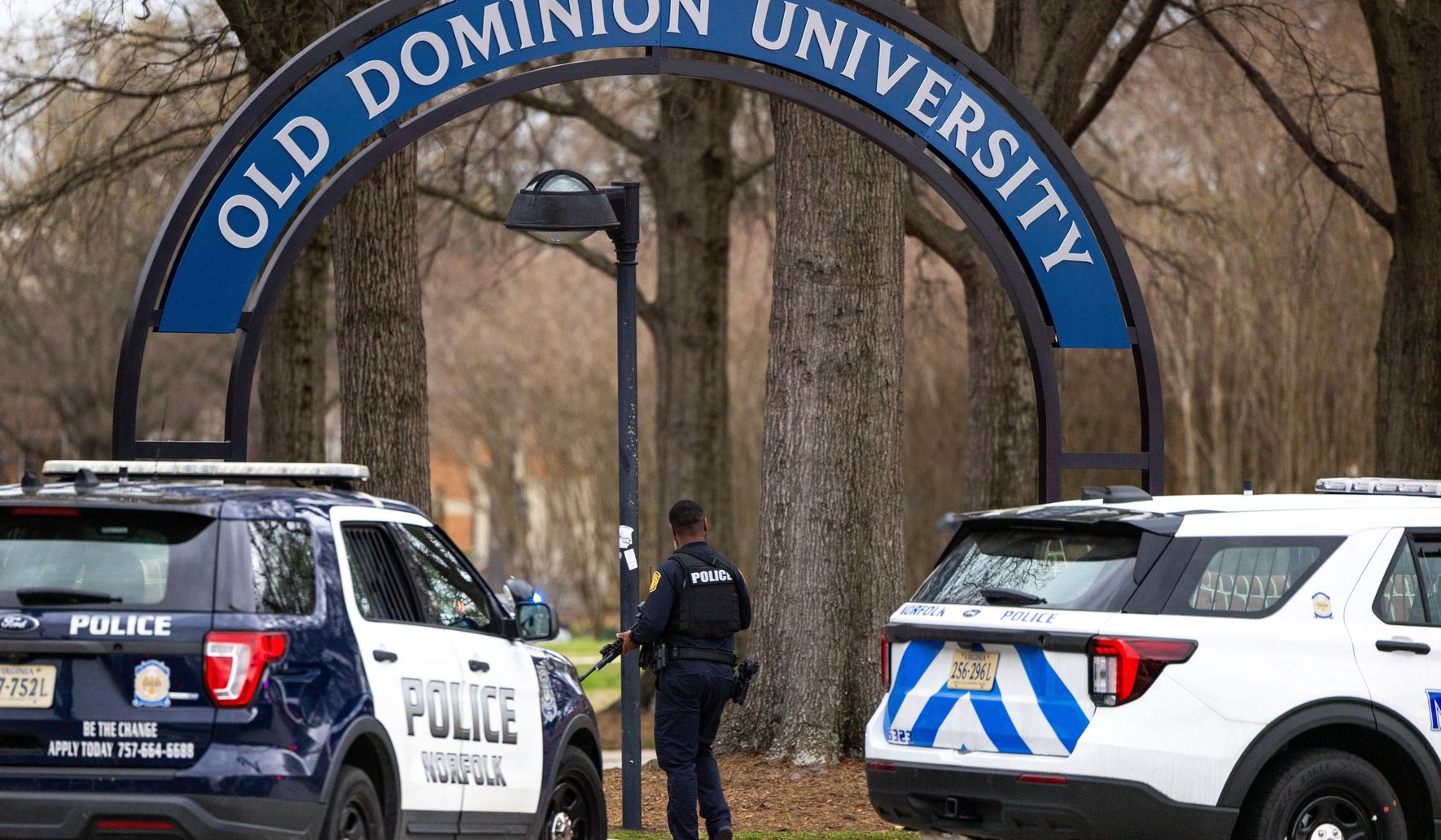
The Trump Justice Department sought double the judge’s prison sentence for Mohamed Bailor Jalloh, meaning the federal team pushed back hard after a judge’s initial punishment in the case involving an accused Old Dominion University assassin.
This move by the Justice Department signaled a clear disagreement with the sentencing decision handed down in the case involving Mohamed Bailor Jalloh. Republicans and law-and-order voters saw it as a straightforward attempt to correct what they viewed as leniency. The action raised questions about how much deference courts should get when dealing with violent crimes tied to campus safety.
The defendant in question is described as the accused Old Dominion University assassin, a label that makes the stakes immediately obvious. When someone is tied to a killing on or near a campus, public safety concerns spike and pressure mounts for accountability. That intensity helps explain why the Justice Department decided to seek a significantly longer sentence.
Pushing for double the prison time is not a symbolic gesture; it is a tactical legal response that signals seriousness. From a Republican viewpoint, this kind of push is precisely what voters expect from a tough-on-crime administration. It sends a message that the federal government will not stand by if a judge’s sentence appears to fall short of the gravity of an offense.
Legally, asking a court to increase a sentence can be done through appeals or motions that argue the original ruling misapplied sentencing guidelines or failed to weigh aggravating factors. Prosecutors can point to the nature of the crime, prior conduct, or public danger as reasons to seek harsher punishment. Those arguments are often dry on paper but potent in practice when the case involves loss of life and community trauma.
Supporters of the Justice Department’s push argue it protects deterrence and respects victims’ families by insisting on a punishment that fits the crime. Republicans tend to favor stronger sentencing as a deterrent and as a way to restore public confidence after a violent incident. They argue that inconsistent or light sentences undermine law enforcement and invite public skepticism about the justice system.
Critics will point out judicial discretion and the need for individualized sentencing that accounts for all circumstances, including rehabilitation prospects and mitigating factors. That debate matters, and it’s a legitimate part of our court system. Still, from a conservative perspective, when a sentence looks out of step with the severity of the offense, prosecutors have a duty to push back.
The political backdrop matters here, too, because the Trump Justice Department acquired a reputation for pursuing tougher criminal penalties and for being willing to challenge judicial outcomes it found insufficient. That posture played well with a constituency that prioritizes security and accountability. It also shaped how future administrations and prosecutors might think about intervening when they believe a sentence does not match the crime.
Beyond this single case, the action raises questions about how federal prosecutors and judges should coordinate on campus safety incidents. Universities, students, and local communities deserve clarity on how violent offenses will be handled and whether sentences will reflect community standards. If federal prosecutors are prepared to seek tougher sentences in high-profile cases, judges will have to reckon with that reality when imposing penalties.
At its core, the Justice Department’s request to double the sentence in the Mohamed Bailor Jalloh matter reflects a preference for stricter accountability in violent crime cases. That stance appeals to voters who see public safety as the government’s primary job. It also sets a tone that could influence similar cases going forward, as prosecutors and judges adjust to a more assertive approach to sentencing.

