

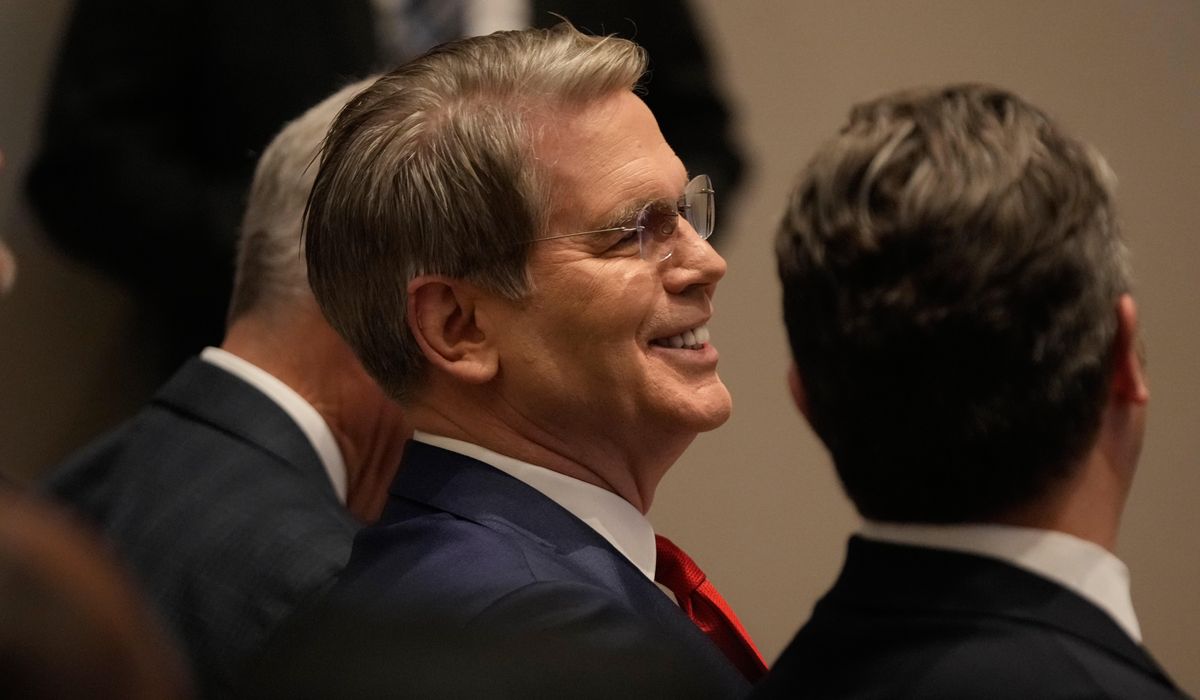
Treasury Secretary Scott Bessent will continue to run the IRS even though he is no longer officially serving as acting commissioner, the agency said Friday.
The Treasury Department confirmed that Scott Bessent will keep directing IRS operations despite stepping down from the formal role of acting commissioner. That announcement, made by the agency on Friday, raises immediate questions about authority and accountability. Republicans are watching closely for how this arrangement will affect oversight and taxpayer protections.
Putting a cabinet official in charge of day-to-day IRS affairs without the acting commissioner title blurs lines that matter. Conservatives worry this kind of setup reduces transparency and sidesteps the checks that come from a properly designated agency head. Lawmakers on the right are likely to press for clear rules to prevent informal power shifts inside an agency that touches every taxpayer.
One practical concern is who answers directly for enforcement choices and policy shifts. When someone runs an agency without the formal label, congressional committees and auditors lose a clear target for oversight. Republicans will argue that accountability is not just procedural; it protects taxpayers from arbitrary enforcement and partisan pressure.
The optics are also a problem. Long-standing norms say leadership roles should match the legal titles that come with them. Allowing a Treasury secretary to operate the IRS in practice but not in name looks like an end-run around those norms. That invites suspicion about motives and makes it harder for citizens to know who is ultimately responsible for tax decisions.
There are also legal questions to consider, and those could prompt litigation or formal inquiries. Administrative law has limits on delegations and acting assignments for a reason. Republicans tend to favor a strict reading of those statutes to keep bureaucracy from expanding authority without proper process.
On the ground, taxpayers care about predictability and fairness, not internal power plays. If enforcement priorities or audit practices shift without clear leadership signals, small businesses and individuals face uncertainty. Conservative voices will push to ensure any operational changes are explained and justified under the law.
Budget and staffing decisions are another area where clarity matters. The person calling the shots determines which initiatives get funded and which teams get attention. From a Republican perspective, stewardship of taxpayer dollars requires that those decisions be tied to formal authority and visible oversight.
Congress has tools at its disposal, including hearings and subpoenas, to get answers about this arrangement. Republican members of oversight committees will likely demand documentation showing the legal basis for Bessent’s continued operational role. They will also want timelines and explanations of who is making final calls on enforcement and rule changes.
Many conservatives will frame this as a test of institutional limits. Allowing informal power to substitute for formal appointment could set a precedent that weakens statutory protections across agencies. That concern drives the call for restoring clear, title-based accountability rather than letting ad hoc arrangements persist.
At the same time, some practical continuity arguments might be used to justify the move, such as preventing disruption during a leadership transition. Republicans often accept sensible transitions that preserve service continuity, but they insist such moves must be transparent and legally grounded. Any temporary fix should come with a plan and public justification.
Republican lawmakers will also emphasize the need for oversight reports and public briefings so taxpayers understand how policy decisions are being made. Regular reporting would help limit the risk of hidden directives or last-minute enforcement pushes. Conservatives will press for documentation showing who signed what and under what authority.
Ultimately, this episode underscores a larger point about government structure and the rule of law. The public expects clear lines of accountability, especially at agencies that handle taxes and enforcement. Republicans will push to ensure leadership arrangements respect both the letter and spirit of statutes that protect taxpayers and maintain institutional integrity.

