

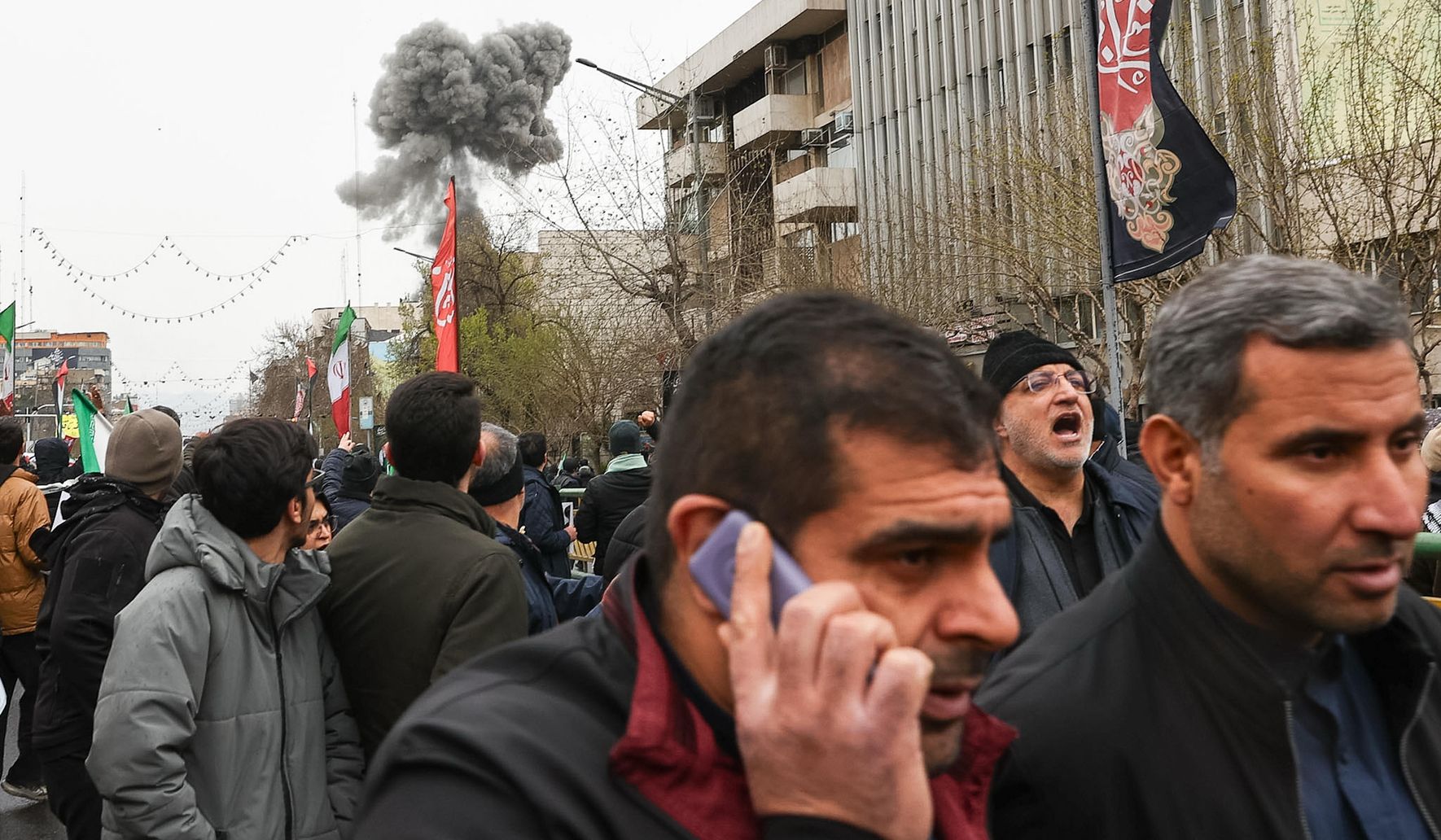
The United States has ordered 2,500 Marines and an amphibious assault ship to the Middle East, a U.S. official said Friday, a significant reinforcement after nearly two weeks of heightened tensions.
The Pentagon ordered 2,500 Marines to deploy alongside an amphibious assault ship to the Middle East, according to a U.S. official speaking Friday. This move represents a clear and sizable increase in American forces in the region. It arrives after nearly two weeks of rising tensions that have demanded a stronger posture.
Moving thousands of Marines and a major naval asset signals deterrence, not provocation, and that should be understood plainly. The amphibious assault ship brings flexibility for crisis response, evacuation and projecting power ashore when needed. Republicans will argue this kind of forward presence is exactly how we protect U.S. interests and safeguard allies in an unstable neighborhood.
Deploying a Marine expeditionary unit with an assault ship lets commanders respond quickly across the region without immediate congressional action. That speed matters when events unfold and American lives or critical infrastructure are at risk. It also offers a visible reassurance to partners who look to the United States for security backing.
Critics will say such moves escalate tensions, but failure to position capable forces risks emboldening adversaries and increasing danger to civilians and servicemembers. A strong, ready force can deter attacks and create options short of full-scale conflict. Lawmakers on the right tend to prefer presence and preparedness over surprise and retreat.
The administration must be transparent about rules of engagement and the mission’s objectives to avoid mixed signals. Clear aims help allies coordinate and prevent miscalculation by opponents in the fog of crisis. Republicans will press for straightforward answers: what are the objectives, how long will forces remain, and what metrics justify their withdrawal?
Maintaining logistics, sustainment and a secure supply chain for these Marines will be essential as deployments stretch on. Amphibious operations depend on secure lines for fuel, parts and medical support, and commanders will prioritize those back-end needs. A policy that sends forces must also account for the realities of supporting them once they arrive.
Congress has a role to play in oversight even as commanders retain operational flexibility, and elected officials should scrutinize the deployment without undermining commanders in the field. Oversight can be firm and constructive, ensuring resources and legal authorities align with the mission. Republican lawmakers often emphasize toughness in oversight coupled with support for the troops themselves.
The regional political landscape makes clear that posture matters; adversaries watch for openings and allies watch for resolve. A prompt, capable response deters aggression and preserves options for diplomacy backed by credible force. That balance between deterrence and diplomacy is central to conservative national security thinking.
Sending 2,500 Marines and an amphibious assault ship is a substantial step that changes the operational picture in the Middle East. It is a tangible expression of American commitment and capability, and it demands careful management. Moving forward, policymakers must ensure the deployment is matched by clear aims, proper logistics and a steady hand on strategic communication.

