

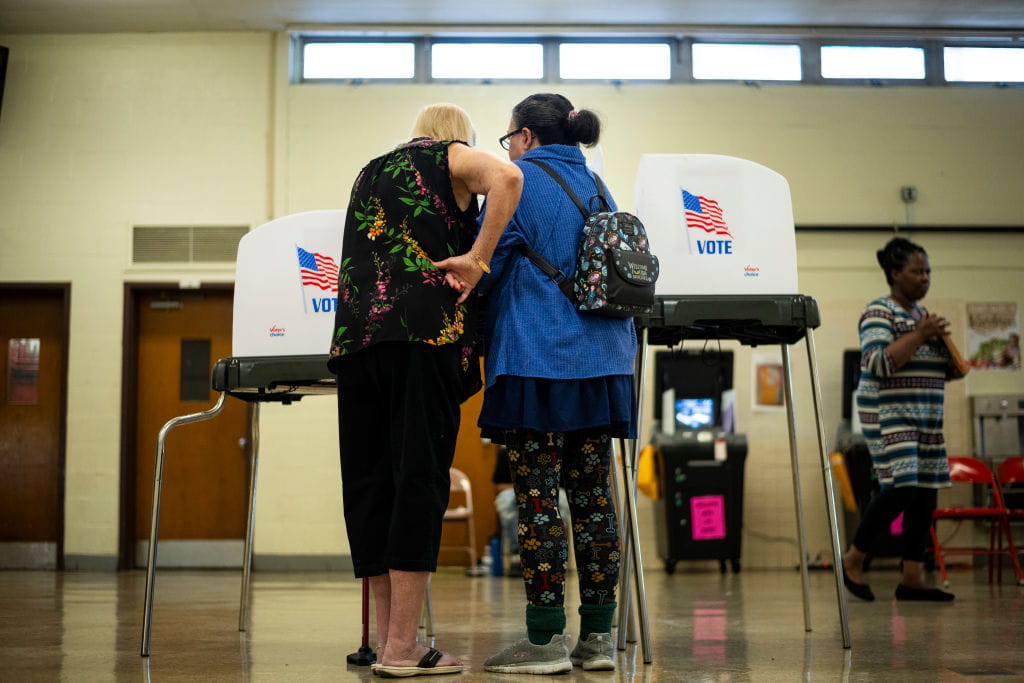
Republicans should expect a familiar Washington stalemate: structural advantages, incumbency, and turnout mean the 2026 midterms may shift headlines more than power.
On this week’s edition of Liberty Nation Radio, we look at the balance of power in DC and how the 2026 midterms might not change a whole lot.
Washington’s ecosystem favors the settled over the sudden, and that matters for any midterm. Incumbents keep their seats more often than not, and district maps and Senate schedules make sweeping changes rare. For Republicans, that means strategy must focus on shoring up gains where they already exist.
House control can pivot on a handful of districts, but those districts are increasingly engineered for stability. State legislatures and the redistricting cycle have hardened many lines, so flipping multiple seats requires more than good messaging. Ground campaigns and turnout math will be decisive for any meaningful change.
The Senate is a different game with six-year terms and staggered contests that rarely align for a wave. In 2026, the map leans toward states that either already prefer one party or have incumbent protection baked in. Republicans know that winning the Senate often depends on a small number of competitive races, not a broad national swing.
Policy gridlock is no accident; procedural rules and unanimous party discipline on key votes keep Washington steady. The filibuster and committee gatekeeping slow majorities from moving rapidly, and that reduces the impact of any single election. If Washington looks the same after 2026, it’s because the capital was built to resist sudden upheaval.
Voter sentiment matters, but translating it into seats is messy. Midterms typically punish the president’s party, which works in Republicans’ favor when the White House is held by Democrats. Still, low-turnout electorates and localized issues can blunt a national trend and preserve the status quo in many states.
Branding and message discipline will decide tight contests more than broad ideology. Voters respond to simple, credible promises about taxes, safety, and the cost of living, and Republicans should keep the focus there. Emphasizing practical wins over sweeping rhetoric helps convert persuadable voters in marginal districts.
Money and organization remain central to outcomes. Party committees and outside groups will pour resources into battleground districts, but where that money lands is crucial. Targeted spending and a clear ground game beat scattershot national advertisements in the races that matter.
Primary fights can weaken a party’s general election chances, and that risk is particularly acute for Republicans in competitive areas. Recruiting electable nominees who can unite local voters is essential, because infighting hands advantages to incumbents. Discipline in candidate selection prevents wasted opportunities in close districts.
State-level politics will shape federal results more than national pundits admit. Governors, secretaries of state, and local officials influence turnout, ballot access, and election administration. Republicans should invest in those fights now, because control at the state level translates into leverage in congressional maps and election rules.
Economic perception will loom large for voters heading into 2026. If people feel pocketbook pressure, incumbents pay the price, but perceptions often lag reality. Republicans can capitalize by tying economic frustrations to practical policy fixes rather than abstract critiques.
Culture issues will mobilize base voters, but they can also alienate moderates if mishandled. Winning the middle requires a balance: stand firm on core principles while offering reasonable, common-sense solutions. That discipline helps avoid the kind of backlash that preserves the political center.
National polls can shift quickly, yet seat counts shift slowly because of durable structural factors. This mismatch creates headline drama without always producing lasting change in Washington. For conservative strategists, patience and targeted campaigns will win more than a reliance on national momentum alone.
Local candidates who deliver concrete results tend to outperform national trends, and that should inform resource allocation. Supporting proven incumbents and promising challengers in realistic districts is a smarter bet than chasing long-shot pickups. Effective governance at the city and state level builds credibility for a broader agenda.
Donor fatigue is real, and overreliance on big dollars without grassroots engagement can hollow out campaigns. Republican organizations should match fundraising with volunteer mobilization, because door knocks and community relationships still decide tight races. Investing in people pays longer-term dividends than spending on ads alone.
Expect a defensive posture from incumbents and a focused offense from challengers, but not a wholesale overhaul of DC. The 2026 midterms will produce drama, some seat swings, and plenty of debate, yet the core mechanisms that preserve Washington’s balance of power remain intact. That reality should shape how Republican leaders plan and prioritize their efforts.

