

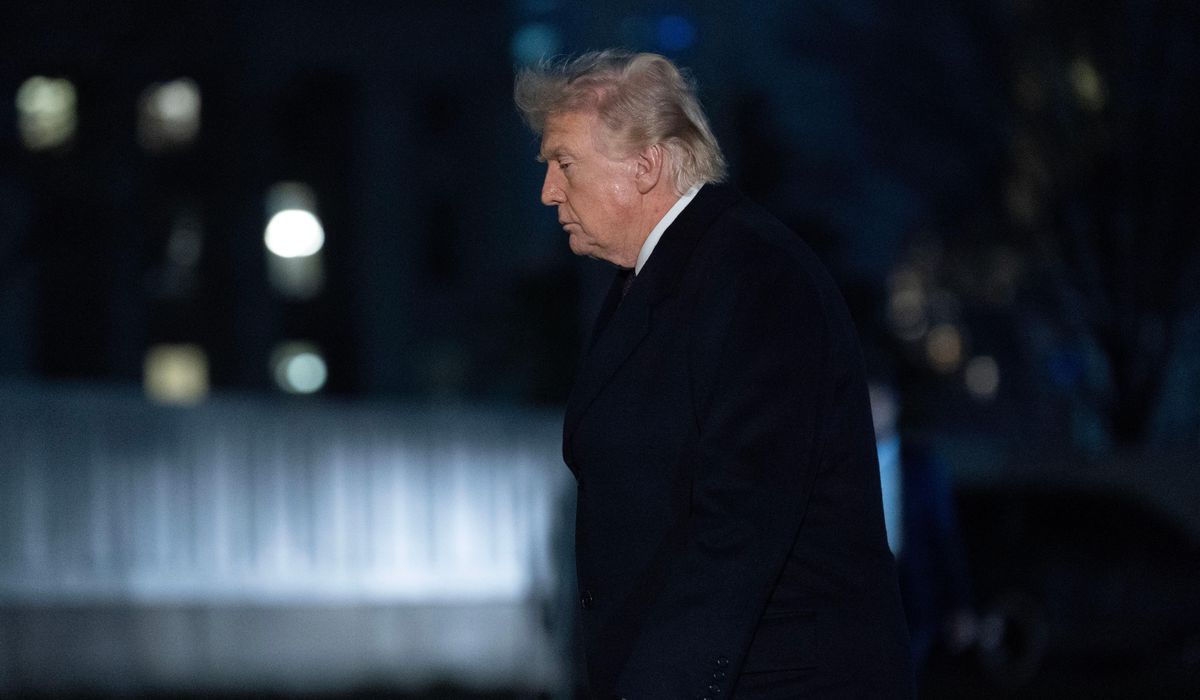
President Trump is weighing a delay of his planned end-of-month trip to China as a lever to press Beijing on reopening the Strait of Hormuz and stabilizing global oil markets. The possibility of postponing the visit is being presented as a bargaining tool to increase diplomatic pressure on China. That tactic reflects a tough, transactional approach to foreign policy focused on results for American interests.
White House signals suggest the trip could be pushed back to extract concrete cooperation from China on reopening maritime routes and easing disruptions that have pushed energy prices higher. Officials are framing a delay not as a retreat but as an intentional move to gain leverage before sitting down for talks. From a Republican perspective, timing visits matters when national security and economic stability are at stake.
Reopening the Strait of Hormuz is being treated as a strategic priority because disruptions there ripple through global energy markets almost immediately. A disruption in shipping lanes raises costs for consumers and businesses, and the administration’s response aims to protect the economy from avoidable shocks. Holding off on the visit sends a clear message that diplomatic goodwill must be matched by meaningful actions.
The decision to use a high-profile visit as leverage follows a pattern of transactional diplomacy that rewards cooperation and penalizes obstruction. China’s influence in the region can be significant, and pressing Beijing to use its sway is seen as a practical step toward de-escalation. This approach emphasizes results over empty gestures, insisting that meetings be tied to measurable outcomes.
Domestically, the move resonates with voters who want leaders to put American energy security and economic interests first. Republicans often argue that tough negotiating stances produce better deals than premature conviviality abroad. Delaying a trip until concrete commitments are secured is consistent with that political philosophy.
Internationally, allies will be watching closely to see whether pressure on China yields cooperation or whether further steps will be required to protect shipping and stabilize oil supplies. The administration is balancing diplomatic outreach with a readiness to push back if progress stalls. That balance seeks to deter further disruptions while preserving room for negotiated solutions.
Using timing as leverage also underscores a broader strategy to link high-level engagement to specific policy wins rather than symbolic gestures. A visit that follows tangible progress would frame diplomacy as effective and purposeful. Republicans will view a conditional approach as a sign of strength and strategic patience.
Critics may argue that delaying the trip risks escalating tensions or missing an opportunity for direct dialogue, but the counterargument is that dialogue without leverage can be ineffective. The push is to convert influence into action that reduces the threat to energy markets and U.S. interests. In that view, diplomacy that achieves clear results is preferable to optics without consequence.
Whichever path is chosen, the calculus is simple from a Republican standpoint: American security and economic stability come first, and high-level meetings should be worth the trip. If Beijing can help reopen shipping lanes and calm oil markets, a visit will follow. Until then, patience and leverage remain tools the administration is willing to use to protect the country’s interests.

