

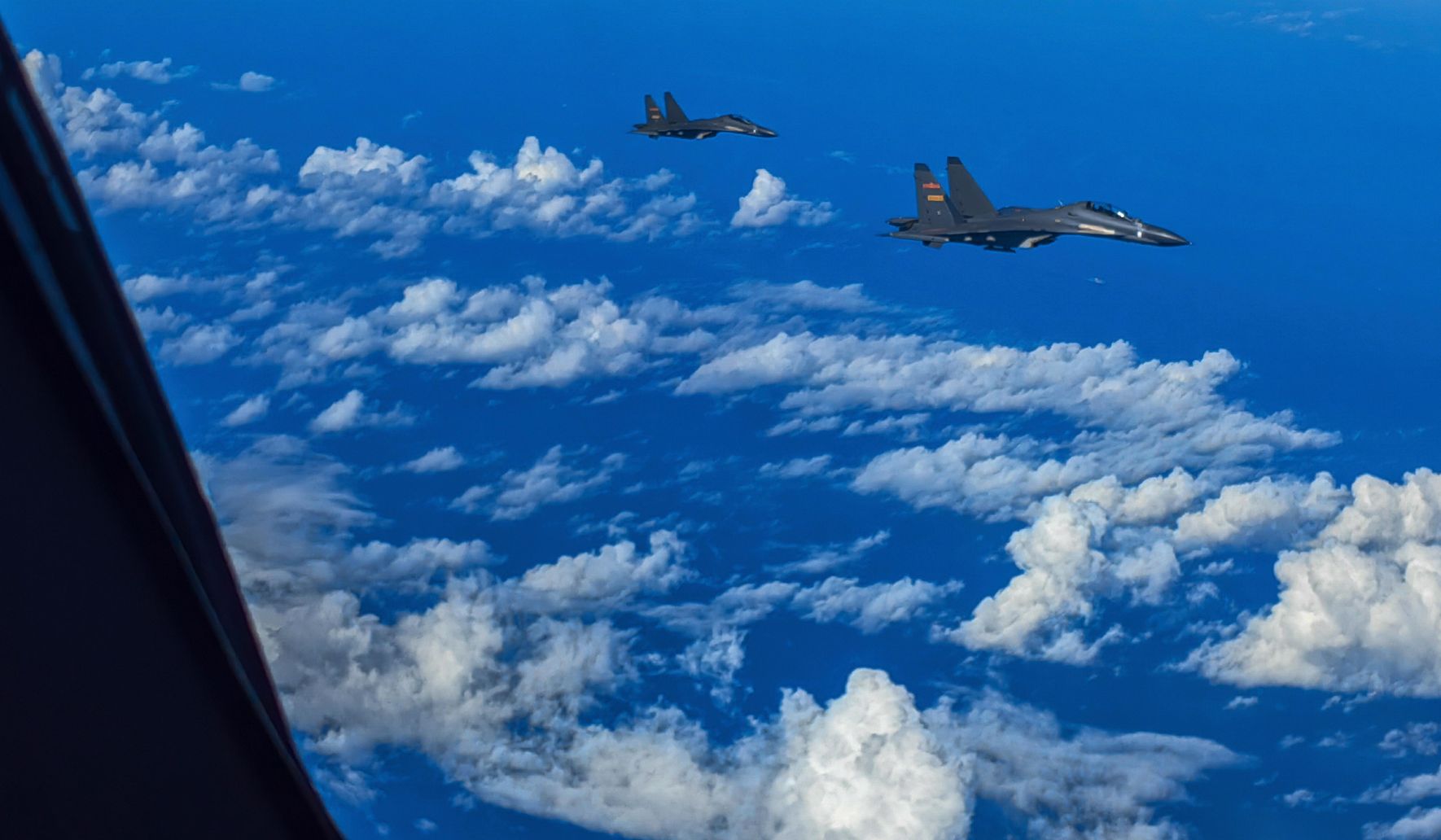
Chinese military aircraft have resumed flights near Taiwan after a 10-day pause, a move that ramps up pressure on the self-ruled island that Beijing has vowed to annex and raises fresh questions about deterrence and U.S. policy in the region.
The recent return of Chinese warplanes to Taiwan’s airspace marks a clear signal from Beijing that its campaign of coercion is ongoing. Taipei reported no aircraft detected in the area for 10 days, then saw sorties resume, underlining a pattern of intermittent pressure rather than a single escalation. This stop-start approach is designed to exhaust attention and readiness without triggering a full-blown crisis. It also keeps Taiwan, neighboring states, and Washington constantly reassessing risk and posture.
From a Republican viewpoint, this behavior is reckless and predictable, reflecting an authoritarian power testing limits while the free world debates how firm to be. The flights aren’t random; they are part of a deliberate campaign to normalize proximity operations and wear down resistance. Every time Beijing pushes and is met with measured reaction, it learns how far it can go. That dynamic favors decisive deterrence over wishful thinking about de-escalation through accommodation.
Tactically, the return of sorties gives the People’s Liberation Army opportunities to refine logistics, command-and-control, and joint operations near Taiwan. Those flights provide real training value: route planning, aerial refueling, electronic warfare practice, and integration with naval units. Repetitive operations also test Taiwan’s response times and reveal detection or interception gaps. Each window of activity is a live rehearsal of coercion or, in a worst case, a prelude to more aggressive moves.
Strategically, Beijing’s behavior fits into a broader pattern of gray-zone tactics that aim to change the status quo without open conflict. Using short pauses followed by renewed operations keeps international attention fragmented and responses uneven. That approach is cheaper and less risky for China than overt invasion, and it complicates allied planning because responses must be calibrated to avoid escalation but still deter. For policymakers who favor strength, this is a call to build clearer consequences.
For Taiwan, the immediate burden is on sustaining credible defense and public resilience. Civil authorities and military planners must ensure air defenses, surveillance networks, and rapid-response units remain hardened after any lull. Maintaining public confidence is also a political task; frequent but limited incursions can erode morale if leaders do not communicate plans and capabilities clearly. Resilience means predictable rules of engagement and visible preparation that signals readiness without provoking unnecessary clashes.
The United States and its partners face decisions about posture, presence, and deterrence credibility in response to these sorties. Republicans typically argue for stronger military support, more robust interoperability exercises, and clearer red lines that raise the cost of coercion. Diplomatic messaging should be paired with tangible actions so Beijing cannot easily calculate that incremental pressure will be tolerated. Ambiguity is useful in some contexts, but selective ambiguity that invites testing is dangerous here.
Allied coordination matters because unilateral responses by a single actor can be limited in effect and risky in perception. Japan, Australia, and other regional partners have stakes in keeping sea lanes open and deterring destabilizing actions. Integrated drills, intelligence sharing, and synchronized diplomatic moves make it harder for Beijing to exploit gaps between allies. The more unified the response, the tougher the calculus becomes for any actor seeking to normalize coercion near Taiwan.
Economic and technological levers are part of the toolkit as well, though they are complex and carry tradeoffs. Sanctions, export controls, and targeted economic penalties can raise costs for sustained pressure campaigns. At the same time, overreliance on economic restrictions without corresponding security measures may not stop operational behavior like air sorties. A balanced approach pairs economic pressure with credible military deterrence and allied coordination.
History shows that behavior often changes only when costs outweigh perceived gains. Repeated flights around Taiwan are a test of political will and strategic clarity. If responses remain tepid or disjointed, Beijing will likely persist with tactics designed to shift the regional balance incrementally. If deterrence is sharpened and allies act in concert, the calculus for coercion becomes far riskier and less attractive.
Observers should watch patterns rather than single incidents: frequency of flights, the types of aircraft used, integration with naval forces, and the diplomatic signals that accompany operations. Those data points reveal intent and capability more clearly than headlines alone. The resumption of sorties after a 10-day break is one more piece in a long-running puzzle about how to protect Taiwan, preserve peace, and counter a rising, assertive China. [[EMBED_TWITTER]]

