

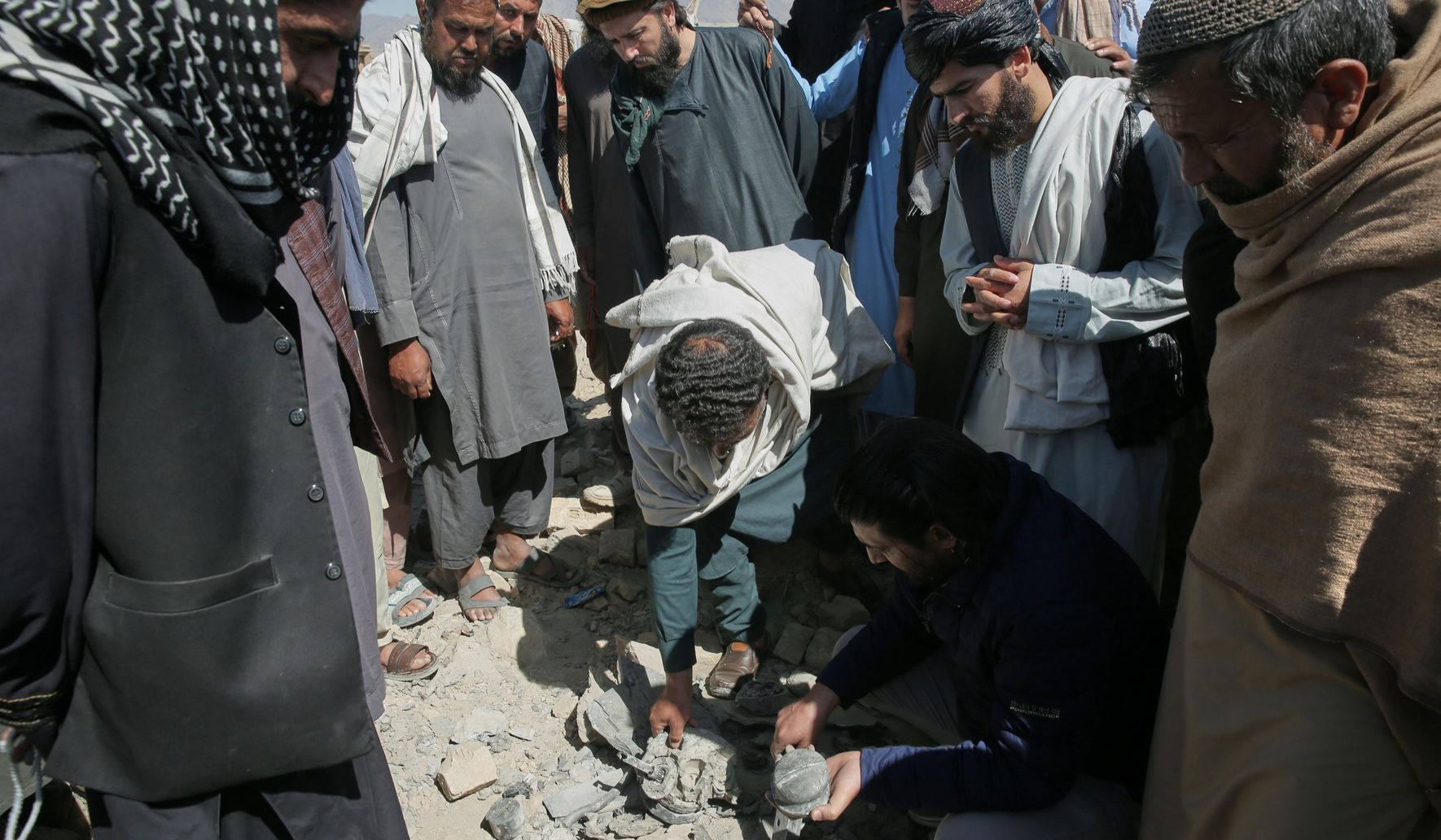
Afghanistan says Pakistan carried out an airstrike on a drug rehabilitation hospital in Kabul late Monday that killed at least 400 people, an incident that local leaders call a dramatic escalation in a long-running regional conflict.
The report of at least 400 dead after an airstrike on a drug rehabilitation hospital in the Afghan capital shocked observers and raised immediate questions about responsibility, intent, and the rules of engagement. Afghan officials publicly accused Pakistan, framing the strike as an assault on a civilian facility. Eyewitnesses described chaotic scenes and overwhelmed local responders trying to pull survivors from rubble and provide urgent care.
The size of the death toll, if verified, would make this one of the deadliest single attacks on a medical or rehabilitation facility in recent memory. Hospitals and treatment centers are protected under international norms, and the apparent targeting of such a site sharpens scrutiny on whoever carried out the strike. Families and local leaders are demanding information while the wider region watches for any sign this will draw neighboring states deeper into confrontation.
From a Republican viewpoint, this event underscores the dangers of instability near American interests and allies, and it raises concerns about accountability in chaotic theaters. When non-state actors and fragile governments operate in proximity, mistakes or deliberate strikes that kill hundreds can cascade into larger security problems. The practical question becomes how to pressure actors involved to adhere to humanitarian law and to prevent further civilian carnage.
Geopolitically, tensions between Afghanistan and Pakistan have long roots, and any high-casualty incident risks resetting local dynamics. Cross-border complaints, intelligence disputes, and militant safe havens have fueled mistrust for years, and this strike may harden stances on both sides. International actors and regional neighbors will be watching how Islamabad and Kabul manage their diplomatic responses, and whether mediators can de-escalate a dangerous moment.
On the ground, hospitals and aid groups face the immediate fallout from mass casualty events: overwhelmed services, shortages of supplies, and the challenge of triaging large numbers of injured people. Even if external help arrives, logistical bottlenecks and security concerns slow lifesaving care. Local doctors and volunteers, already stretched thin in many Afghan provinces, would be under intense strain responding to hundreds of wounded and grieving families.
Information reliability is another major issue. In the fog that follows a strike, initial casualty figures can change, and rival officials often present conflicting narratives. Independent verification will be crucial to understand what happened and to determine whether the strike was intentional, a tragic mistake, or the result of faulty intelligence. Until reliable, corroborated evidence is available, statements from either side should be treated cautiously.
There are also broader humanitarian and political costs to consider. Large-scale civilian deaths inflame public sentiment and can accelerate recruitment for militant groups that exploit grievances against perceived aggressors. Civilian protection failures feed cycles of retribution that are hard to break. Any durable response will have to consider justice for victims, medical and psychological support for survivors, and measures to prevent recurrence.
Reporting on the incident will likely evolve rapidly as investigators, journalists, and international monitors try to piece together a clear timeline and responsibility. For now, the central fact that Afghanistan has accused Pakistan of an airstrike killing at least 400 people at a drug rehabilitation hospital in Kabul late Monday is the starting point for scrutiny. The coming days should clarify whether the incident will prompt diplomatic pressure, operational changes, or a deeper slide into confrontation across the region.

