

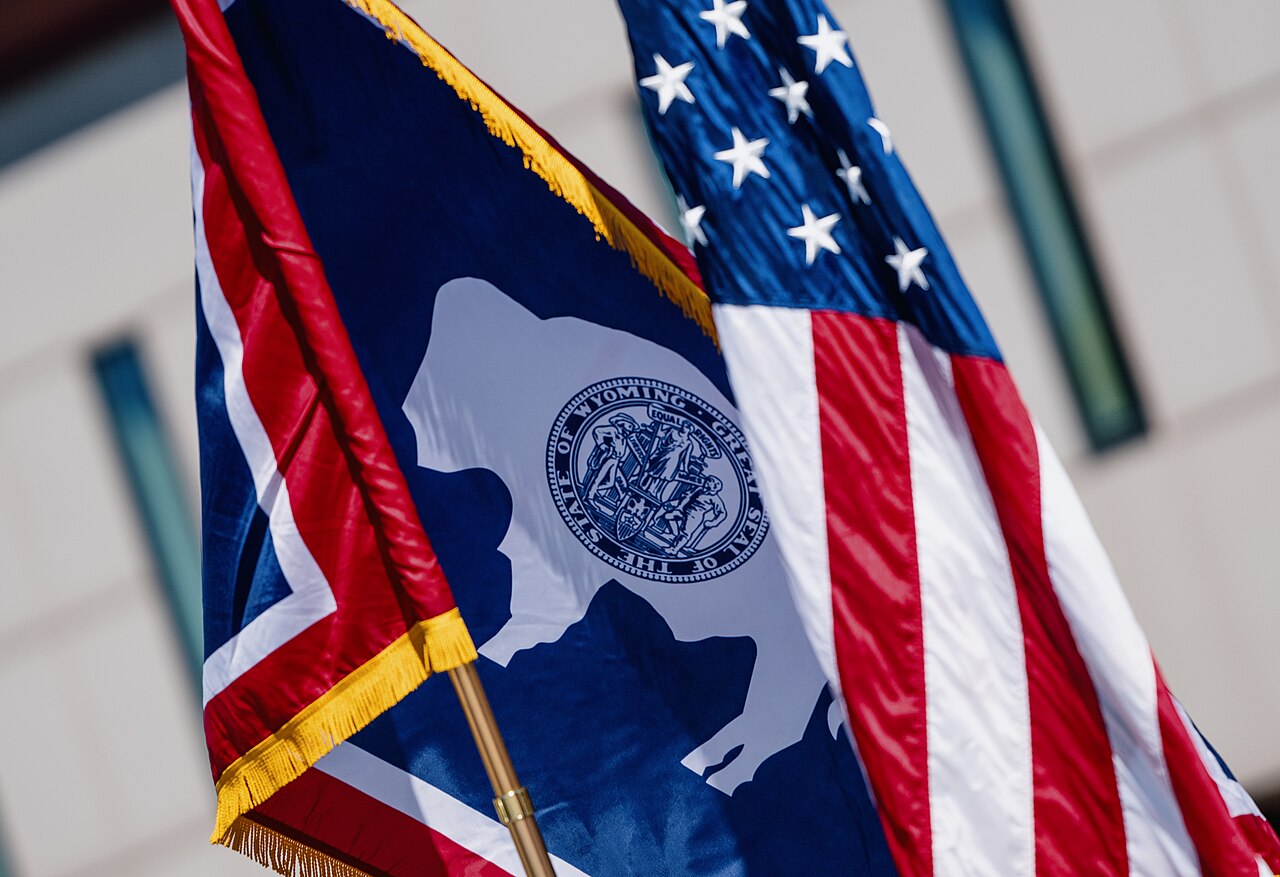
Wyoming is in the middle of a real clash between long-standing power and a rising, popular push for change, and that tension is reshaping local politics.
There’s a contrast between how things used to work in state politics and how voters want them to work now, and the mood is anything but calm. People who live and work here are tired of backroom deals and distant elites, and they want leaders who are straightforward and accountable. That sentiment is reshaping conversations at the state capitol and on Main Street alike.
‘We’re at a really critical turning point in Wyoming politics where the insiders and the establishment class are very, very mad and want all of their power back.’
The quote captures the raw feeling: insiders are unsettled because grassroots pressure has forced real choices. Conservatives who care about limited government and local control see this as an opening to return power to citizens rather than to a closed circle. That friction is producing bold debates about policy, personnel, and priorities.
Economic issues are a big part of the story, and Wyoming’s strengths are on the table. Energy, ranching, and small business form the backbone of the state, and decisions in Cheyenne affect livelihoods across rural counties. People expect their representatives to protect property rights, reduce needless regulation, and support the industries that pay the bills.
For many Republicans here, the argument isn’t just about personalities but about principles, and that makes the stakes higher. The pushback against an entrenched establishment is framed as a defense of constitutional government and individual liberty. That perspective demands practical, conservative solutions rather than insider bargains or Washington-style compromises.
Culture and identity also play into the debate, since Wyoming communities prize independence and self-reliance. When political insiders try to reassert control, locals react not only on policy grounds but on cultural ones. Leaders who ignore that reaction risk looking out of touch, and voters remember who stood with them during tough moments.
At the same time, institutional questions about transparency and accountability are coming into focus. People are asking for clearer ethics, more open meetings, and a stronger connection between elected officials and residents. Those changes would reshape how decisions get made and who benefits from them.
What’s happening in Wyoming isn’t unique, but it matters because the outcomes will affect everyday lives here for years. The coming months will test whether elected officials respond to voters’ clear demands or fall back into old patterns. Whatever happens, the political landscape in the state is more animated now than it has been in a long time, and that energy will drive both policy fights and leadership choices.

