

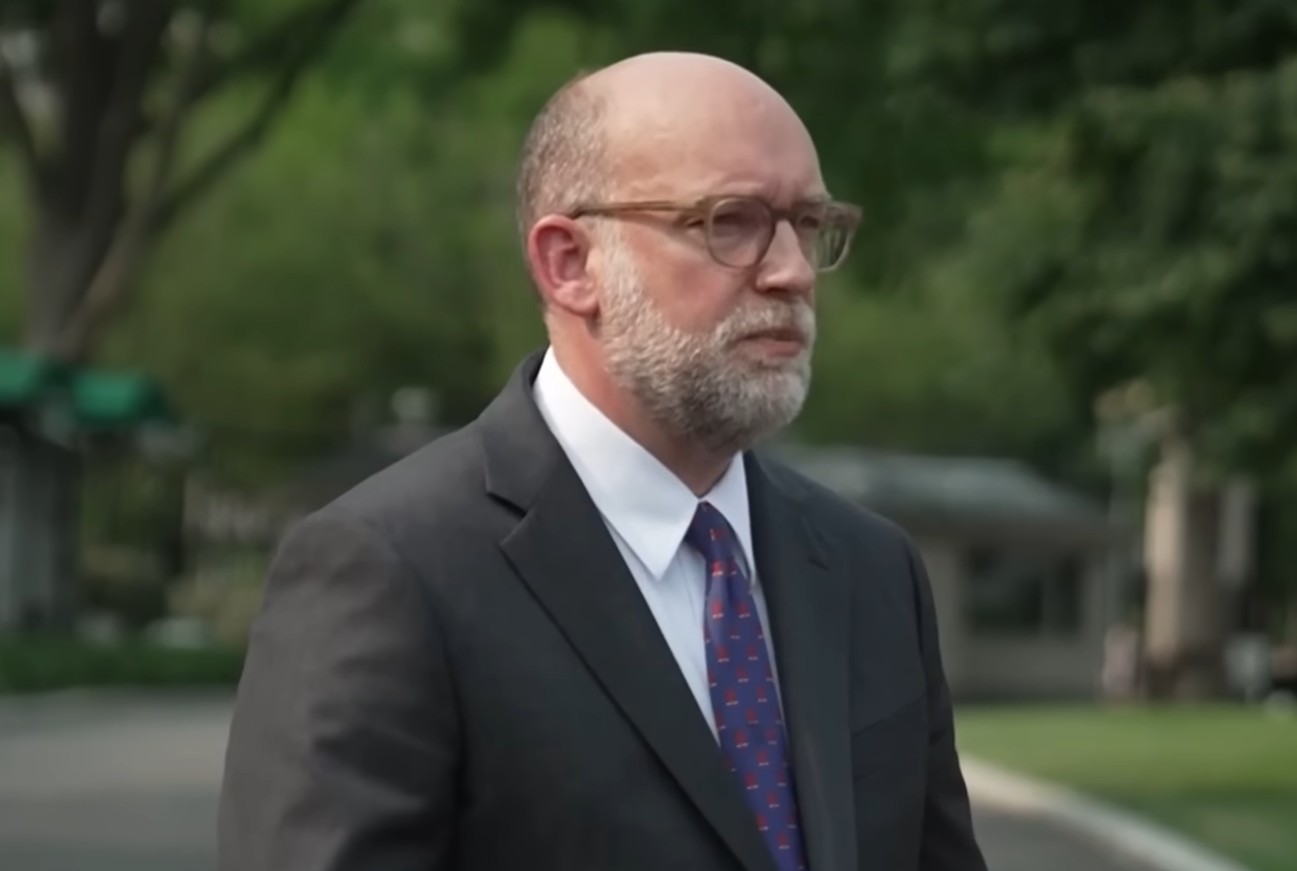
Vought received a 24/7 security detail after security officials deemed it necessary when he was named acting administrator of USAID, and that decision raises questions about protection needs, precedent, costs, and oversight.
Vought’s 24/7 security detail was determined to be necessary by security officials, specifically after his designation as acting administrator of USAID. That move followed established procedures where professional security personnel assess threats and assign protection. On its face, assigning protection to a senior official is a routine security function intended to reduce risk.
Security teams evaluate threats based on intelligence, visibility, and the responsibilities tied to an office. An acting administrator of USAID can have a higher profile at home and abroad, which could lead to legitimate safety concerns for the individual and their family. When security officials conclude constant protection is warranted, their decision usually reflects those risk factors.
From a conservative perspective, protecting public servants when threats are credible is common sense. The rule of law and maintaining the ability of leaders to perform duties safely are priorities. At the same time, responsibility to taxpayers and to constitutional norms matters just as much as protection itself.
That balance is where the discussion often gets tense. Citizens want secure officials, but they also demand clear explanations for extended or unusual security measures. Transparency about criteria, duration, and costs helps build public trust without revealing operational details that could compromise safety.
There is also precedent to consider. Across administrations, senior officials and designated acting heads have received protective details when assessed as necessary. A consistent, apolitical standard is what conservatives should support, ensuring protection is based on objective threat assessments rather than partisan pressure. Uniform standards prevent security from becoming a tool of political advantage.
Cost is a legitimate concern, and it deserves sober attention without undermining security needs. Protection can be expensive when it is continuous and involves a team, travel support, and logistics. Conservative stewardship of taxpayer dollars means oversight committees should review expenditures to verify necessity and efficiency while avoiding micromanagement that could impede safety.
Oversight does not mean second-guessing every operational judgment, but it does mean clear reporting and accountability. Congress has a role to ask whether protocols were followed and whether alternatives were considered. Those inquiries should respect classified information and operational security while still producing meaningful public records about decision processes.
There is also the risk of politicization, which undermines both security and public confidence. If security assignments look arbitrary or favor ideology, they invite cynicism. Conservatives should insist protection decisions remain in the hands of professionals using consistent criteria, and they should oppose using security as a reward or punishment.
Communication is a practical fix that preserves both safety and confidence. Simple, factual briefings that describe the nature of the decision without operational detail can reassure the public. That means explaining that security officials made an assessment and that protective measures were implemented for clear reasons tied to the role of acting administrator of USAID.
Finally, the broader lesson is about governance: protect people when danger is real, but account for how public resources are used. Security protocols must be respected, and oversight must be robust enough to prevent abuse. A professional, transparent approach preserves safety, supports public servants in their duties, and maintains fiscal responsibility.

