

St. Patrick’s Day: how a Christian feast became a wider celebration of Irish culture
Every March 17 people across the United States pull on green, pour a pint, and look for any excuse to celebrate Irish culture. What started as a religious feast day for the patron saint of Ireland has become a mix of faith, folklore, food, and upbeat public pageantry. Cities big and small mark the day with parades, music, and a playful commitment to all things emerald.
Saint Patrick himself was a fifth century missionary who helped bring Christianity to parts of Ireland. His story is part history and part legend, from his survival after being taken to Ireland as a youth to the tales that grew up around his ministry. Over time, religious observance and folk tales blended into customs people still observe today.
The shamrock is one of the clearest symbols tied to the day, linked by tradition to Patrick using a three-leafed plant to explain the Trinity. That simple plant has become shorthand for Irish identity around the world, appearing on pins, parades, and storefronts. Symbols like the shamrock or the color green help people connect to a shared heritage whether they are of Irish descent or simply participating in the fun.
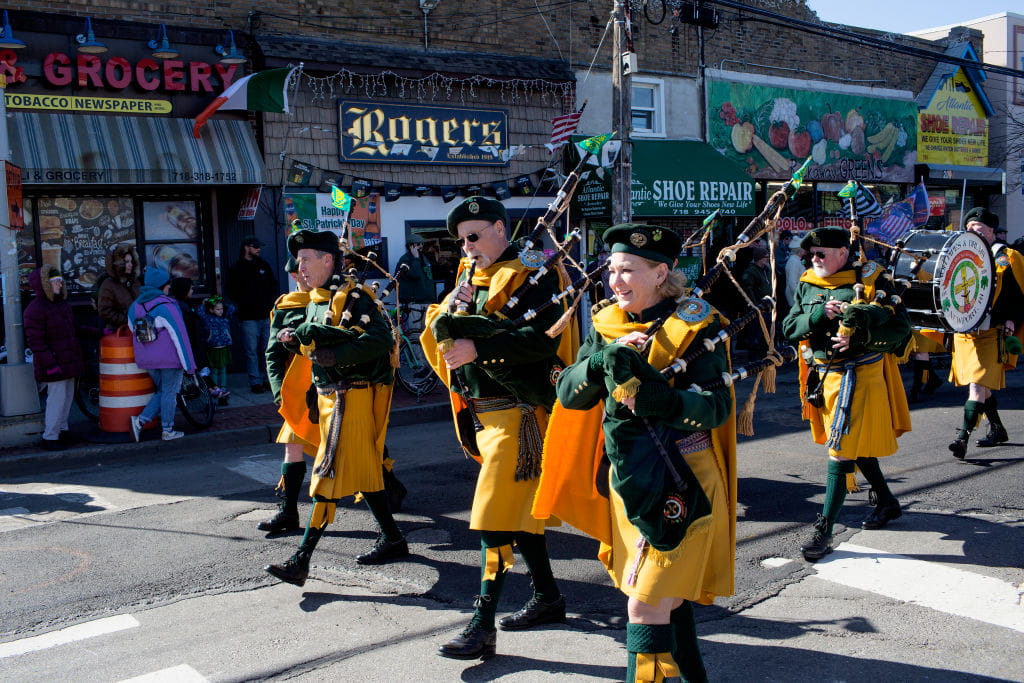
Parades are a major public element of the celebration, with some events tracing their roots back centuries. Marching bands, bagpipes, floats, and cultural groups give a civic tone to a holiday that mixes faith with community spectacle. These processions draw families, veterans, and local organizations together for a loud, often joyful display.
Food and drink are central to modern observance, blending traditional Irish dishes with regional American tastes. Soda bread, corned beef and cabbage, and hearty stews feature on many tables, while pubs and restaurants add music and gatherings that last well into the evening. The culinary side of the holiday is as much about comfort and company as it is about heritage.
In several American cities, public rituals include playful civic gestures like turning rivers green or lighting landmarks in green tones. These urban flourishes turn municipal spaces into clear signals that the day has arrived and that the city is joining the celebration. Such displays are visible, festive, and often provide great photo moments.
Religious services remain important for many who observe March 17 as a holy day, especially within Catholic and Episcopal communities. For these people, the day offers a chance for prayer, reflection, and honoring the historical Patrick who worked to spread Christian teaching. Worship and ceremony coexist with parades and parties for those who want both solemnity and celebration.
Irish music and dance keep the rhythm of the day, with sessions in pubs and public performances bringing traditional tunes to new audiences. Fiddles, bodhrans, and tin whistles cut through the noise and invite people to clap, stomp, and join in. The endurance of these art forms shows how cultural practices adapt and thrive when shared enthusiastically.
For individuals and families with Irish roots, the day can be a genuine moment of cultural connection, a time to explore ancestry and remember immigrant journeys. For others it is a lighthearted reason to gather with friends, learn a tune, or try a recipe. Either way, the holiday’s mix of remembrance and revelry gives people different ways to participate.
Over the years St. Patrick’s Day has moved from parish halls and small-town festivals to large urban spectacles that attract tourists and media attention. That shift has changed how people experience the day, but it has not erased the core elements: history, symbolism, music, and food. The holiday remains an accessible way to celebrate Irish tradition while allowing communities to shape the rituals to fit local tastes and priorities.

