

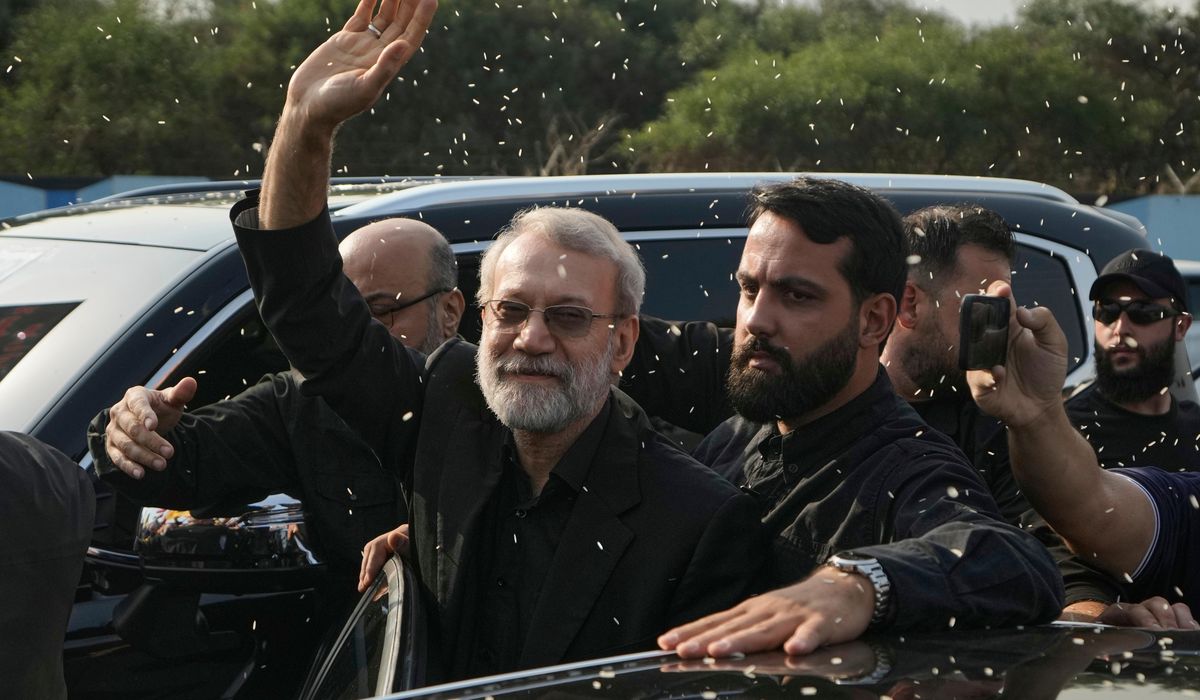
Israel said it killed two senior Iranian security officials in overnight strikes, and Iran did not immediately confirm either death; the incident appears to have triggered Iranian retaliatory fire as tensions across the region rise.
Israel publicly claimed responsibility for strikes that it says killed two high-level Iranian security figures during the night. Iran had not confirmed those deaths at the time of the first reports, and reaction in Tehran was measured outwardly even as the situation escalated. The strikes and the uncertainty around confirmation have amplified concerns about wider confrontation across the region.
The immediate consequences were sharp: reported exchanges of fire and heightened alert across neighboring states. Officials and analysts watching the region see this as another dangerous chapter in a long-running shadow conflict between Israel and Iran. Whatever the exact tally of casualties, the political and strategic fallout will last far beyond a single night.
From a Republican viewpoint, the strikes underscore the urgency of firm, decisive responses when an adversary is actively plotting or supporting threats. Israel acted in line with self-defense principles and did so without dragging the United States into direct combat. That posture—letting allies act where appropriate while keeping broad American involvement limited—reinforces deterrence without overcommitting troops.
Iran’s pattern of using proxies and covert networks to extend its influence makes clear that symbolic or surgical strikes can carry outsized strategic weight. When Tehran’s leadership or its security apparatus is targeted, the risk is not only retaliation but also the activation of embedded regional partners who can react in unpredictable ways. The region’s fragile security architecture means even cautious responses can escalate fast.
For U.S. policymakers, the episode raises a familiar question: when to support allied defensive actions and when to step in more directly. Republican policymakers tend to favor bolstering allies militarily and with strong intelligence-sharing while avoiding open-ended ground commitments. That approach aims to preserve American strength by letting capable partners shoulder immediate defensive burdens while the U.S. sustains deterrent capabilities.
Public messaging matters. Israel’s announcement framed the operation as a targeted, necessary strike, while Iran’s refusal to immediately confirm the deaths adds opacity that can be exploited by both sides. Clear, strong statements from allies help prevent miscalculation, but they must be balanced with real diplomatic channels to lower the chance of misread signals. In volatile theaters, silence or ambiguity from one side can lead others to overreact.
Regional actors will now assess their options: whether to take advantage of the moment, step back, or hedge their bets. Countries across the Middle East will watch for spillover effects—supply lines, oil markets, and maritime security are all vulnerable to disruption. Any disruption to commerce or energy flows will quickly widen the scope of impact beyond the initial military exchange.
Domestic politics play into how leaders respond. In Tehran, leadership must show resolve to domestic audiences while weighing the operational costs of a broader conflict. In Jerusalem and in Western capitals, leaders must balance the need to protect citizens with the risk of provoking a larger war. Political calculations at home often shape the pacing and intensity of military responses abroad.
Intelligence and attribution will be scrutinized in the days ahead, with both sides presenting narratives to justify their next steps. Independent verification is rarely immediate, and that vacuum of certainty can be dangerous. Responsible actors should push for transparent, verifiable reporting while preparing contingency plans to prevent uncontrolled escalation.
What happens next will depend on a mix of strategic restraint, deterrent readiness, and diplomatic channels. Allies should make clear that while they support self-defense, they will not tolerate reckless escalation that draws the region into wider war. The coming days will test whether measured strength and clear communication can keep this from becoming a broader catastrophe.

