

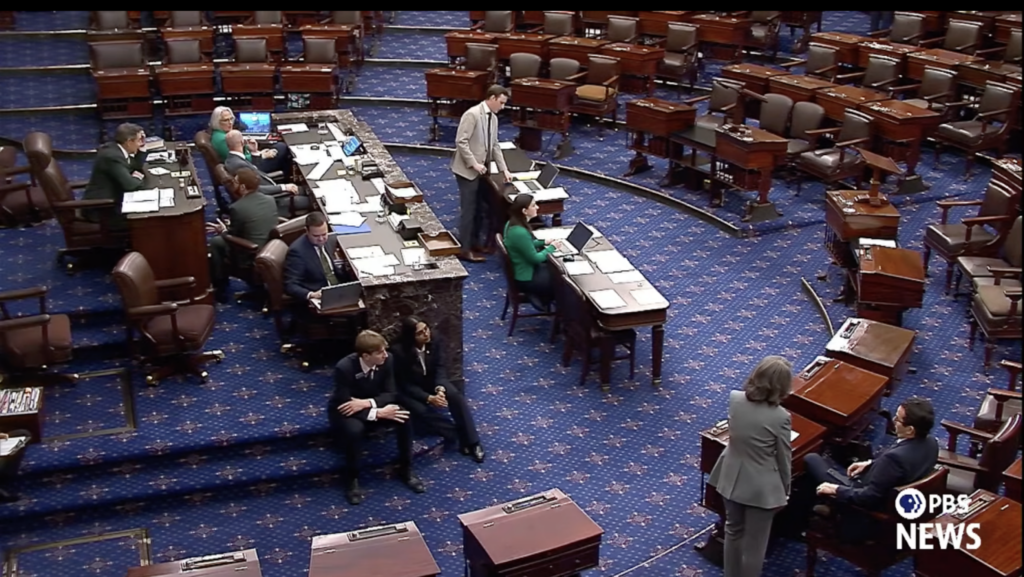
This piece walks through how Republican leaders can use procedural discipline, public messaging, and leverage in the Senate to steer outcomes without forcing a floor vote that would pass contested legislation.
Republican lawmakers face constant pressure from both sides to either strip bills of objectionable language or force votes that could hand opponents political wins. The practical answer often lies in restraint and tactical patience rather than headline-grabbing brinkmanship. Staying disciplined in committee and caucus votes keeps leverage where it matters and reduces the risk of unwanted policy changes. Political theater can be costly when the goal is to protect conservative priorities.
One way Republican leadership could avoid passing the legislation is by avoiding the use of a talking filibuster. Choosing not to engage in long, performative speeches preserves procedural options and minimizes the chance that the majority will exploit a lapse. That sentence captures a simple but powerful idea: silence can be a strategic tool. Letting a bill stall without dramatic fights forces opponents to show their hand.
Committees are where bills live or die, and smart leaders use them to filter out measures that would never pass a conservative test. Tight gatekeeping in committee hearings slows momentum for bad ideas and buys time for outreach and amendment. Insisting on strict markup standards and thorough vetting creates friction that many sponsors are unwilling to overcome. This is not obstruction for its own sake, it is an intentional use of the rules to prevent policy harm.
Messaging matters as much as maneuvers. When Republican leadership explains why restraint keeps the Senate functioning, voters can understand the logic behind not forcing a vote. Clear, plainspoken explanations about preserving leverage and protecting constituents’ interests reduce the noise from the media cycle. That clarity also helps primary voters see that leadership is acting to defend conservative principles rather than seeking easy headlines.
Another lever is coalition management. Republicans must keep their caucus united on when to escalate and when to hold back. A handful of defections can turn a tactical decision into a legislative loss, so the leadership’s job is to build consensus early. Regular, blunt conversations about political risk make members less likely to chase photo ops that undermine broader goals.
Don’t ignore public pressure, but don’t let it drive every move. Constituents will shout for immediate action on hot-button topics, and opponents will manufacture crises to force votes. Leadership that acknowledges concerns while maintaining a long game avoids making concessions that are unpopular in the long run. Timing and sequencing matter more than sudden concessions that lock in bad policy outcomes.
Procedural alternatives exist beyond speaking forever on the floor, and they are often underused. Tactical holds, referral to multiple committees, and carefully timed amendments let Republicans shape outcomes without triggering a simple majority’s ability to ram a bill through. Using the calendar and committee jurisdictions buys negotiation space. This is governance: use the rules to steer results instead of staging fights that only help the other side.
There is political value in demonstrating restraint to independent voters who are tired of constant chaos. When the party shows it can manage a chamber responsibly, it undermines narratives that Republicans are reflexively obstructionist. That credibility is useful in elections and in negotiations when the other side needs GOP votes to get things done. People respond to steady judgment more than to shouting matches that end in predictable defeats.
Finally, keep an eye on the long term. Preserving options in the Senate means protecting future opportunities to legislate from a position of strength. For conservatives, the goal is to shape policy outcomes that align with limited government and individual freedom, not to hand opponents easy wins because a moment looked good on cable news. Pragmatism and procedural savvy together create a pathway for winning on substance rather than losing on spectacle.

