

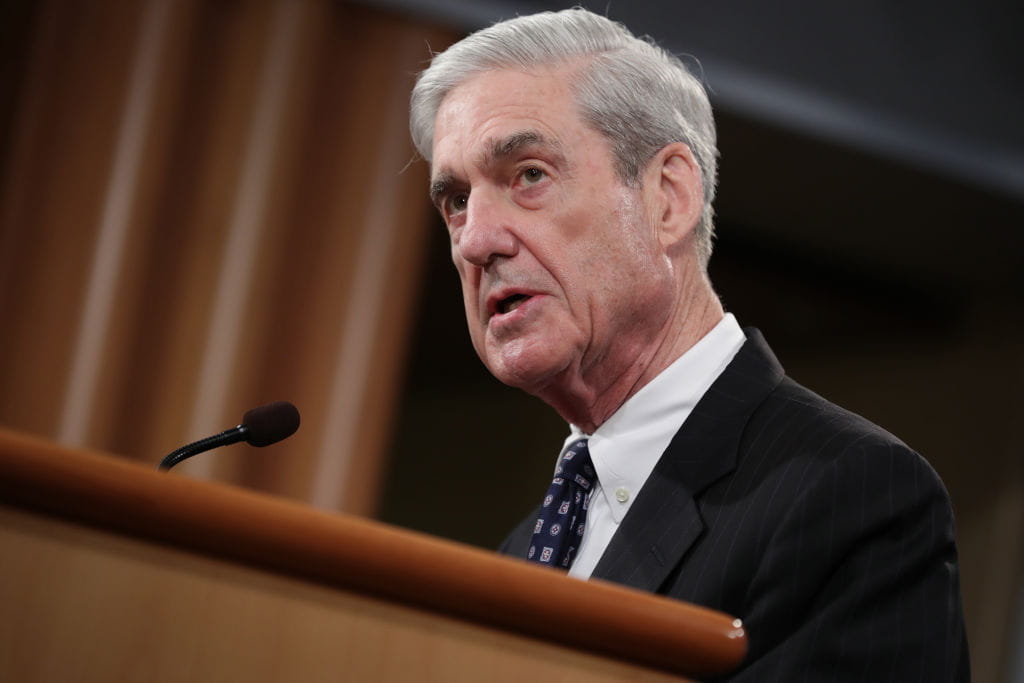
Robert Mueller has died at age 81, and his passing reopened debates about the Russia probe, presidential accountability, and partisan justice in Washington.
Robert Mueller, the former FBI director, died at age 81, touching off immediate reactions across the political spectrum. His tenure as special counsel is now part of his public legacy. The glare around his death reflects how polarized his role became.
Mueller was tapped as special counsel after allegations of collusion between President Trump’s 2016 campaign and Russian actors surfaced. The investigation consumed years of headlines and political energy. It reshaped how Washington views outside probes into presidential campaigns.
The special counsel’s work concluded without establishing that the Trump campaign conspired with Russian operatives in a way that produced criminal charges on that score. At the same time, the investigation looked closely at potential obstruction issues and left some judgment calls to the Department of Justice. Those mixed findings left both sides claiming partial victory.
Almost immediately, President Trump reacted publicly, and his reaction set off fresh controversy. “Robert Mueller just died. Good, I’m glad he’s dead,” the president posted on social media shortly after the announcement. That line became the focal point of debate over tone and presidential norms.
From a Republican viewpoint, Mueller’s probe felt like an overreach that cost time and distracted from governance priorities. Many conservatives saw tactics and leaks during the inquiry as proof that the process was politicized. That perspective fed a long-standing distrust of federal law-enforcement moves perceived as targeting political opponents.
Democrats and many independents, meanwhile, defended Mueller as a career public servant who pursued a complex case under intense pressure. They argued the special counsel mechanism was necessary to investigate serious questions about foreign interference. That defense underscored the deep partisan split over the investigation’s legitimacy.
Beyond politics, Mueller’s death raises institutional questions. The investigation exposed gaps in how special counsels operate and how much discretion prosecutors have. Policymakers on both sides have pointed to the episode as a reason to reconsider rules and oversight.
There’s also a broader cultural angle: the gruesome satisfaction some expressed and the fury it provoked show how toxic political discourse has become. Public figures dying used to prompt restraint, but that norm has frayed in recent years. The raw reactions reveal how polarized and performative public life now is.
Mueller’s long career included a stint as FBI director and work on high-profile cases before he became a household name. For some, that record will stand apart from the politics of the Russia probe. For others, the last big assignment overshadows earlier service.
Legally, the episode left open questions about obstruction findings and prosecutorial standards. The special counsel report avoided charging a sitting president, citing Department of Justice policy, which itself sparked debate. Legal scholars continue to argue about the correct path for future probes involving elected officials.
On the political front, Republican leaders used the moment to reinforce calls for accountability of investigators and transparency in how probes are opened. They argued for clearer rules to prevent perceived partisan targeting. Those arguments will likely shape legislative proposals and oversight priorities moving forward.
The tone of public reaction to Mueller’s death will linger as part of his final public chapter. How the administration, Congress, and the press respond now will set a tone for handling similar moments down the road. The next steps will test whether institutions can temper outrage and restore clearer norms around accountability and public discourse.

