

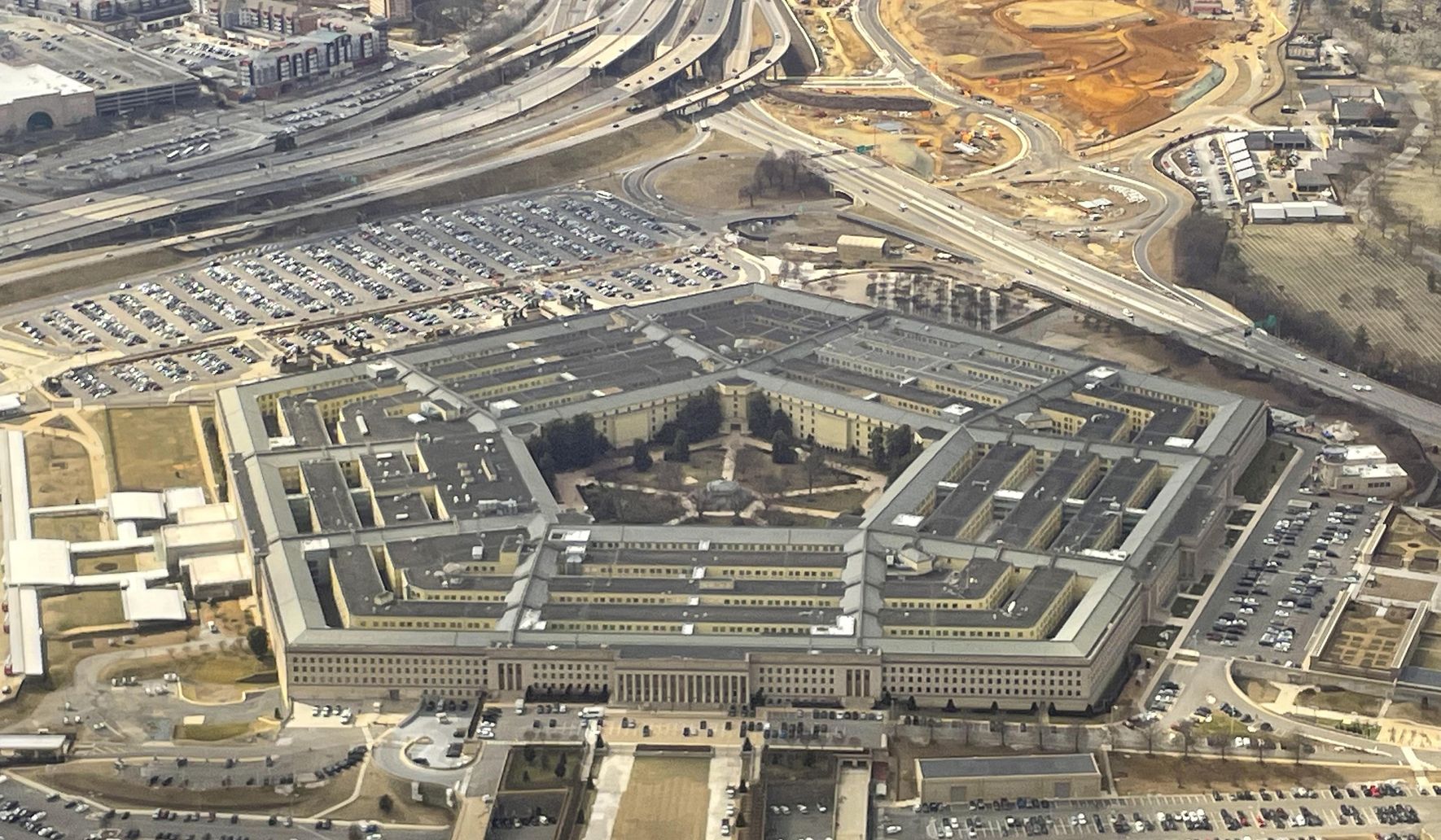
The Trump administration has moved to close the “Correspondents’ Corridor” at the Pentagon, a long-used workspace for military reporters, setting up a clash between access and security that is now playing out in Washington.
The Pentagon’s long-standing workspace known as the “Correspondents’ Corridor” has been a familiar spot for journalists who cover the Defense Department. For years that area served as a hub where reporters could gather, trade tips, and quickly reach uniformed officials for on-the-spot questions. The decision to shutter it is straightforward but symbolic, because it touches both practical routines and press access expectations.
Defense Department officials announced late that the area will be closed and repurposed under new space-management plans. Officials point to evolving security needs and a push to modernize facilities as the primary drivers behind the move. From a conservative perspective, taking a fresh look at who works where inside a major national security building makes sense.
Reporters who relied on that corridor are understandably frustrated, since it acted as an informal pressroom and a place to pace while waiting for briefings. Losing that shared workspace disrupts a rhythm that reporters developed around watching troop movements, budget fights, and Pentagon leadership. Still, leaning on habit alone is not a sufficient reason to keep an unsecured area in a building where classified work happens.
There is a legitimate tension between open access and secure operations, and this decision forces officials and the press corps to renegotiate the terms. Republicans generally favor policies that protect sensitive military information and streamline government real estate, especially when it strengthens national security. The response from many reporters has framed the closure as an encroachment on access, but that framing ignores the security benefits the change can produce.
Logistics will be the real test. The Pentagon must offer workable alternatives that let accredited reporters do their jobs without a permanent corridor to gather in. That does not mean resurrecting the old layout; it means building a process that preserves timely coverage while tightening control over who can linger in critical spaces. A balance is possible if both sides focus on practicality rather than posture.
Critics will argue that any reduction in informal access diminishes transparency, and that concern deserves attention. But transparency is not the same as unrestricted presence inside highly sensitive areas. Press freedom thrives when the rules of engagement are clear, when officials answer questions openly at scheduled briefings, and when the media receives the information it needs to inform the public without endangering operations.
There will also be a political angle, because actions taken by the Trump administration often draw immediate scrutiny from Washington outlets. Some of the loudest complaints will reflect broader friction between a skeptical press and an administration that prioritizes security and efficiency. Observers should separate partisan rhetoric from the nuts-and-bolts challenge of protecting classified material and managing an enormous federal property.
Practical solutions could include designated media centers with scheduled access, better digital briefings, and clearer escort policies for quick in-person interviews. Those options would cut down on loitering in high-traffic corridors while still giving reporters the information they need for timely reporting. It is not an all-or-nothing choice between secrecy and sunlight.
Ultimately, the closure of the “Correspondents’ Corridor” is a policy decision with consequences for how military coverage is produced. It forces a rethink of how reporters and the Defense Department interact on the ground, and it will prompt debates about access, security, and the best ways to keep Americans informed. The coming weeks will show whether practical adjustments can preserve accountability without compromising safety.

