

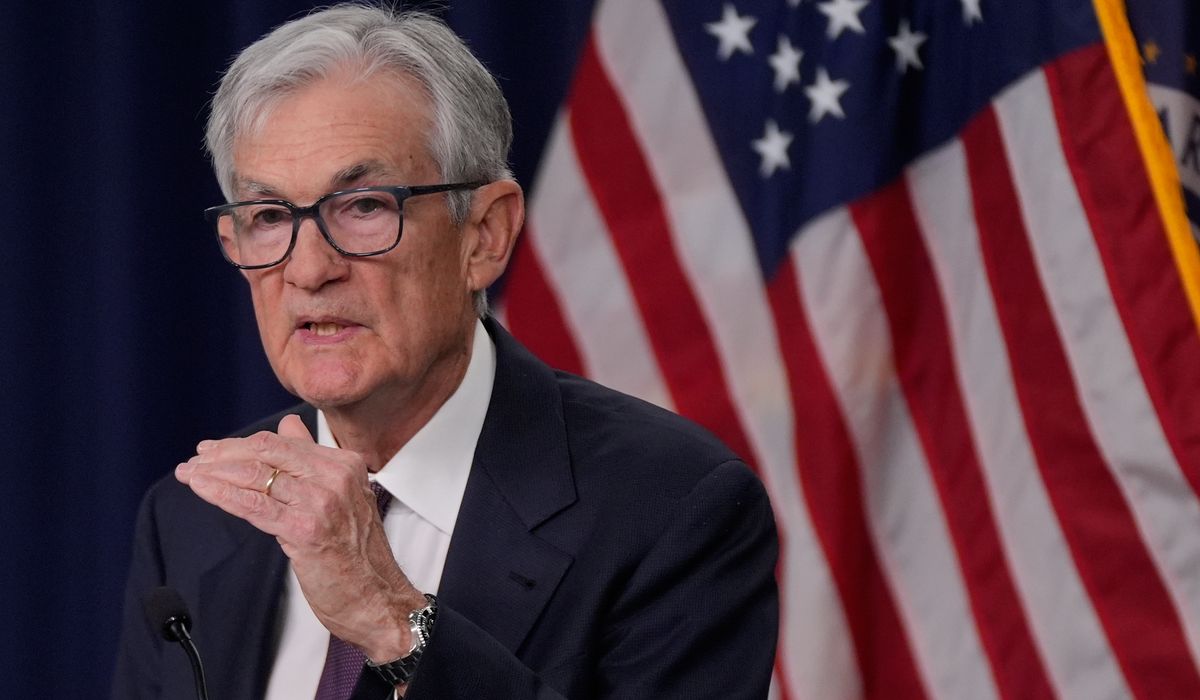
The Justice Department looked into a $2.5 billion Federal Reserve renovation and, according to a prosecutor’s private concession, did not find evidence of criminal conduct.
Congress, watchdogs, and taxpayers deserve clear answers when billions of federal dollars are involved, and this case has drawn that kind of scrutiny. Officials opened an inquiry into how a massive renovation was planned and executed at the central bank, putting cost controls and procurement practices under a microscope. The outcome so far raises questions about oversight, contract management, and the message federal enforcement sends when large projects face investigation.
The Justice Department’s investigation of a $2.5 billion renovation project at the Federal Reserve didn’t find any evidence of a crime, a federal prosecutor privately conceded under question. That admission, reported privately, reflects how a full criminal case often depends on evidence of intent and clear statutes being violated. Even without criminal charges, the lack of a legal finding does not erase concerns about waste, poor stewardship, or opaque decision making with taxpayer-related resources on the line.
From a Republican perspective, this situation highlights the need for stronger safeguards and tougher accountability rules. When agencies manage extremely expensive projects, they should face routine, real-time audits and transparent reports so Congress and the public can see what is being spent and why. Transparency discourages cost overruns and gives taxpayers confidence their money is being treated with seriousness, not as a slush fund for unchecked upgrades.
Procurement systems at major institutions can be complex, and complexity is often where cost creep hides. Clear contract terms, independent third-party audits, and competitive bidding are simple guardrails that reduce the risk of inflated invoices and unnecessary extras. Without those guardrails, projects can balloon in scope and price while decision makers claim it was all unavoidable or in the service of “security and modernization”.
The Fed operates with a degree of independence that makes oversight tricky, but independence is not a blanket excuse for secrecy. Elected officials have a duty to probe and insist on explanations when public-facing institutions spend large sums. Republicans argue that fiscal responsibility should not be sacrificed in the name of institutional autonomy, and oversight committees should have teeth to enforce that standard.
Contractor oversight is another weak spot that needs fixing, because vendors can influence the scale and cost of upgrades. Stronger vetting for firms, clearer accountability clauses, and penalties for poor performance help keep projects honest. These measures protect taxpayers and ensure that costs reflect actual value rather than aggressive upselling or sloppy project management.
Internal controls inside the Fed and similar institutions deserve independent review on a regular schedule. Internal audits are useful but often lack independence, so periodic external reviews would provide a more objective assessment. External reviewers can surface structural problems in procurement, reporting, and risk assessment that insiders might overlook or downplay.
Political actors and oversight committees should avoid conflating lack of criminal findings with a lack of problems. Not every managerial failure is a crime, but many serious waste and mismanagement cases can be addressed through administrative reforms and enforcement of civil penalties. Republicans emphasize corrective action that leads to policy change and better governance, not just headline-grabbing criminal prosecutions.
Budgetary discipline is part of national security when massive projects are concerned, because poor spending decisions divert resources from core missions. Investing in accountability is not a bureaucratic nicety. It is a practical necessity that prevents mission creep, controls costs, and ensures funds go to the priorities voters expect.
Congress should consider sharper reporting requirements for high-cost projects and faster public disclosure of audit findings. When audits are delayed or buried, public trust erodes and the political fallout can be worse than the financial loss. Speedy, clear disclosure helps the public and allows lawmakers to act before small problems become expensive crises.
Reforms could include mandatory timeline and budget baselines, automatic external reviews for projects above a certain threshold, and clear consequences for officials who allow unchecked overruns. These steps create predictable expectations and make it harder for bureaucracies to shuffle costs or claim ignorance. Accountability mechanisms are practical tools that can limit the chance of repeated situations where enormous sums attract prolonged, inconclusive investigations instead of immediate fixes.
The Fed and other agencies must cooperate with Congress and oversight bodies to rebuild trust and show they are serious about efficient spending. Republicans will keep pushing for rules that tie transparency to authority so independence does not turn into a cover for fiscal carelessness. The goal is not to vilify institutions but to ensure taxpayer dollars are managed responsibly and with clear, enforceable standards.

