

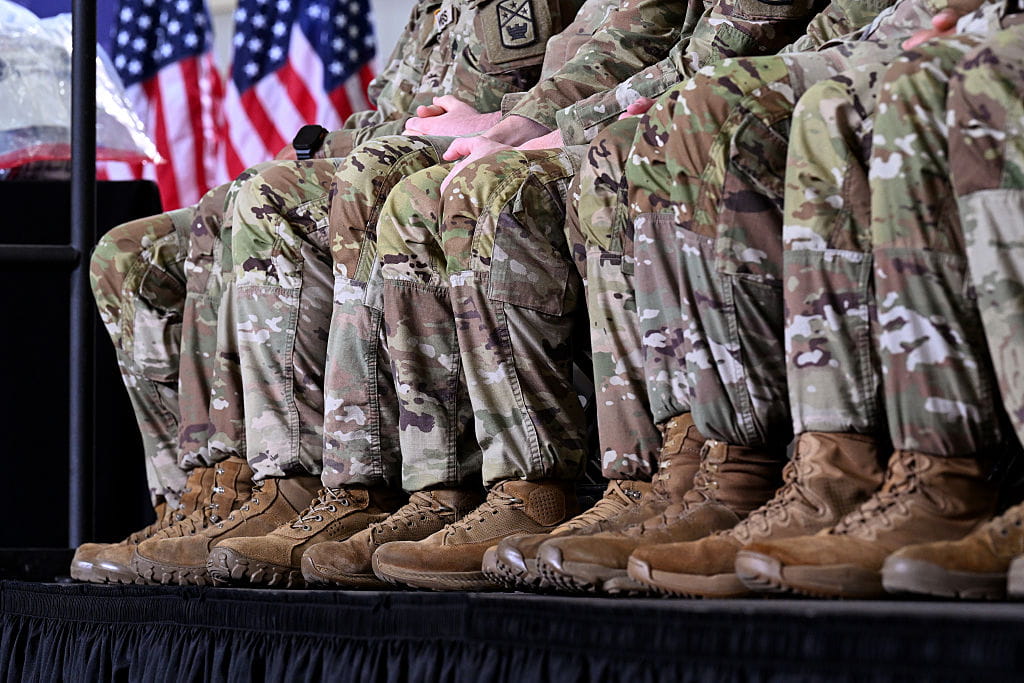
As the conflict around Iran deepens, the question of putting U.S. combat troops on Iranian soil has moved from theory to a heated strategic debate, weighing the need to stop malignant behavior against the risks of open-ended occupation and heavy American casualties.
As tensions in and around Iran build, voices in Washington are divided on whether boots on the ground are necessary to deter Tehran. Some argue that a limited presence would stop aggression and protect regional partners, while others warn it risks a long, costly engagement. The issue forces a hard choice between measured force and the fear of being drawn into another protracted conflict.
From a conservative perspective, the starting point is simple: strength must be credible. If the United States is never willing to put combat forces where vital interests are threatened, deterrence loses meaning and bad actors will test limits. Credibility does not mean reckless invasion, but it does mean having clear options that include the controlled use of ground power when airstrikes and sanctions fall short.
That said, the risks to soldiers and the potential for mission creep are real and cannot be ignored. Iran is a large country with harsh terrain and an urban landscape that favors irregular fighters. Any plan that sends conventional units into Iran must reckon with guerrilla tactics, proxy warfare, and asymmetric threats that could prolong operations and drive up casualties.
Practicality demands defined objectives and a tight timeline. A Republican approach should insist on narrow, achievable goals such as degrading key military capabilities, disrupting immediate threats to U.S. forces and allies, and creating conditions for a negotiated pause. Without measurable milestones and an exit strategy, ground operations tend to expand until political will breaks down.
Coalition building matters as much as capability. A unilateral occupation would sap American resources and legitimacy, while multilateral support spreads risk and reinforces the message that actions are not just U.S. adventurism. Working with regional partners and trusted allies also helps manage logistics, basing, and local intelligence, reducing the burden on U.S. troops.
Rules of engagement and robust force protection are essential. Ground forces must have secure supply lines, air support, and counter-drone and missile defenses in place. Special operations units, intelligence teams, and precision targeting are smarter tools than massed brigades when the objective is surgical disruption rather than total conquest.
Political oversight is critical. Congress and the public must be presented with clear facts, timelines, and end states before any deployment. Casualties change politics fast, and any plan without legal and public backing risks leaving troops to finish a job without sufficient support. Republicans should push for accountability and a return to limited aims rather than an open-ended conquest.
The payoff calculus is ugly but unavoidable. Inaction can embolden Tehran and its proxies, giving them space to threaten shipping lanes, terrorize neighbors, and advance nuclear ambitions. Yet occupation can exact a human and fiscal toll that far outstrips short-term gains. The conservative case prefers calibrated pressure: show resolve, use ground power only where it delivers a decisive, time-bound advantage, and combine force with diplomatic leverage.
In the end, any decision must balance deterrence and prudence. Republicans should favor options that protect American lives, sustain long-term strategic advantage, and avoid quagmires. That means a preference for limited, high-impact ground operations that are tightly controlled, supported by partners, and anchored by clear political limits rather than open-ended occupation.

